─────
(✍ENGLISH text is always below the French text)
-Cascade Paradisiaque à Savadkooh, Mazandaran Iran (1 photo) Post 28.04.2023 ⏬ +✍ENGLISH Paradisiacal Waterfalls
-Visiter la sculpture du Suisse Alberto Giacometti au Musée à Téhéran Iran (3 photos) Post 30.04.2023 ⏬ +✍ENGLISH
-Visiter les cabanes-arbres à Dahnesar dans de la province du Gilan Iran (1 photo + vidéo) Post 22.05.2023 ⏬ +✍ENGLISH
-Visiter la cité (des nains ou Lilliputiens) à Makhunik Iran (19 photos + vdéos) Post 13.06.2023 ⏬+✍ENGLISH
-Scène Féerique, Cascade d’Ab Malakh, Ispahan Iran (1 photo) Post 10.07.2023 ⏬+✍ENGLISH Fairy Scene
-Iran, bienvenue dans le plus petit salon de thé du monde (4 photos + vidéo) Post 22.07.2023 ⏬+✍ENGLISH World’s smallest tearoom
-Visiter Bandar-e Anzali Guilan Iran (21 photos) Post 02.09.2023 ⏬+✍ENGLISH
-Visiter la forteresse Sassanide Kangloo dans la province Mazandaran à Savadkuh Iran (6 photos) Post 24.12.2023 ⏬+✍ENGLISH Sassanid fortress
-Iran: le paradis des géologues (6 photos) Post 25.01.2024 ⏬+✍ENGLISH Iran: Paradise for geologists
-Iran Visiter les Bakhtiari (vidéos) Post 21.02.2024 ⏬+✍ENGLISH Visit the Bakhtiari (videos)
-Le lac rosâtre Maharloo au sud-est de Chiraz Iran (3 photos) Post 24.04.2024 ⏬ +✍ENGLISH Maharloo pinkish lake
─────
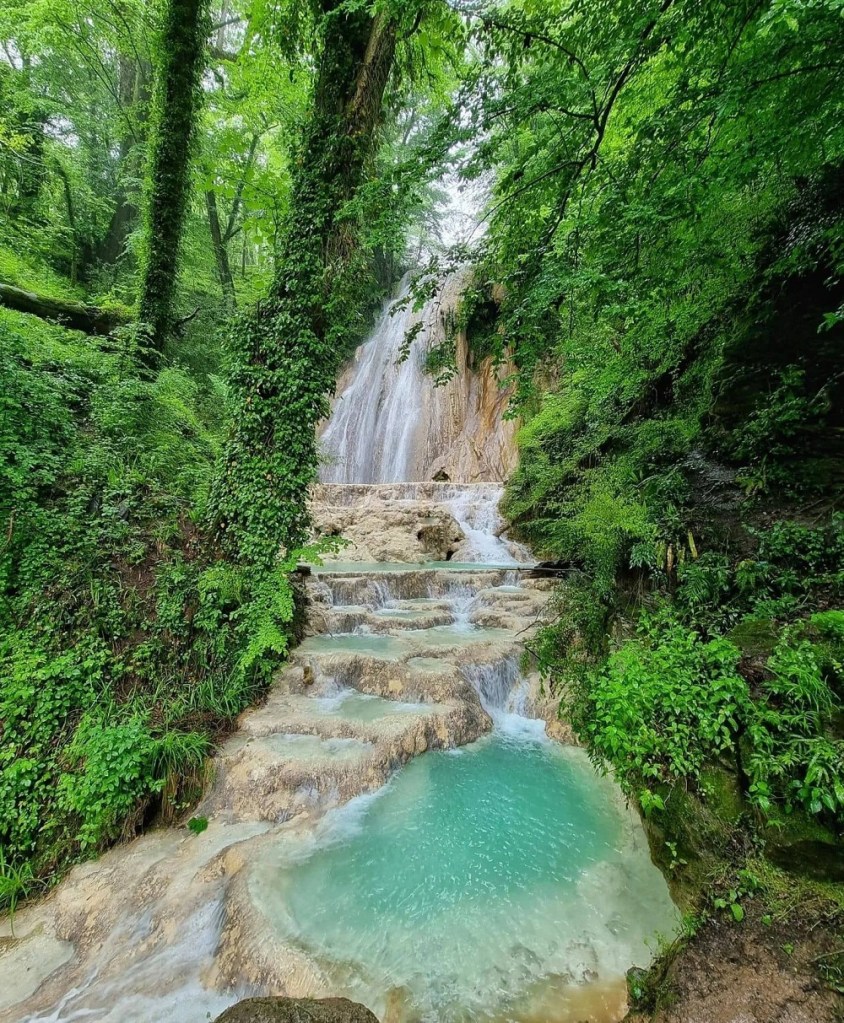
En Iran il y a d’innombrables cascades d’eaux petites et grandes comme ce petit coin de paradis à Savadkooh dans la province de Mazandaran.
La cascade mesure 32 mètres de haut, elle est située dans les forêts hyrcaniennes (forêts inscrites sur la liste de l’UNESCO depuis 2019).
Pour les touristes, il est important d’être accompagné par quelqu’un qui connait bien l’endroit ou par un guide afin de ne pas vous perdre. Des cannes de marche vous sera bien utile.
-Photo+Video sur Instagram et Telegram
Naturaliste et artiste photographe : Catherine Kamali
https://eramblog.com/
-Forêts hyrcaniennes – Date d’inscription : 2019 – UNESCO
Le bien du patrimoine mondial des Forêts hyrcaniennes est situé en Iran, dans l’écorégion des forêts mixtes hyrcaniennes-caspiennes.
Les forêts hyrcaniennes forment un massif forestier unique qui s’étend sur 850 km, le long du littoral méridional de la mer Caspienne. L’histoire de ces forêts de feuillus remonte entre 25 et 50 millions d’années, une époque où elles couvraient la majeure partie de cette région tempérée septentrionale.
Ces forêts anciennes ont reculé durant les glaciations du Quaternaire, puis se sont à nouveau étendues lorsque le climat s’est radouci. La biodiversité floristique y est remarquable : 44 % des plantes vasculaires connues en Iran se trouvent dans la région hyrcanienne qui ne couvre que 7 % du pays. À ce jour, 180 espèces d’oiseaux typiques des forêts tempérées de feuillus et 58 espèces de mammifères y ont été recensées, notamment une espèce emblématique : la panthère de Perse (Panthera pardus tulliana).
POUR LIRE PLUS: https://whc.unesco.org/fr/list/1584/
✍ENGLISH
In Iran there are countless small and large waterfalls like this little corner of paradise in Savadkooh in the province of Mazandaran.
The waterfall is 32 meters high, it is located in the Hyrcanian forests (forests in the UNESCO list since 2019).
For tourists, it is important to be accompanied by someone who knows the place well or by a guide so as not to get lost. Walking sticks will come in handy.
-Photo+Video in Instagram and Telegram
Naturaliste et artiste photographe : Catherine Kamali
https://eramblog.com/
-Hyrcanian Forests – Date of Inscription: 2019 – UNESCO
The Hyrcanian Forests World Heritage property is situated in Iran, within the Caspian Hyrcanian mixed forests ecoregion.
Hyrcanian forests form a unique forested massif that stretches 850 km along the southern coast of the Caspian Sea. The history of these broad-leaved forests dates back 25 to 50 million years, when they covered most of this Northern Temperate region.
These ancient forest areas retreated during the Quaternary glaciations and then expanded again as the climate became milder. Their floristic biodiversity is remarkable: 44% of the vascular plants known in Iran are found in the Hyrcanian region, which only covers 7% of the country. To date, 180 species of birds typical of broad-leaved temperate forests and 58 mammal species have been recorded, including the iconic Persian Leopard (Panthera pardus tulliana).
TO READ MORE: https://whc.unesco.org/en/list/1584/
─────
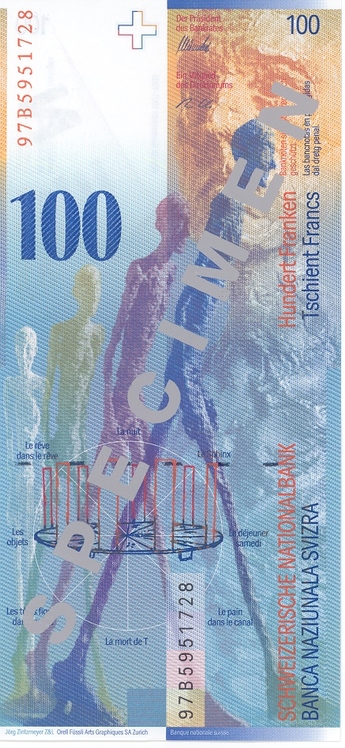
Billet 100 Francs Suisse 1998.
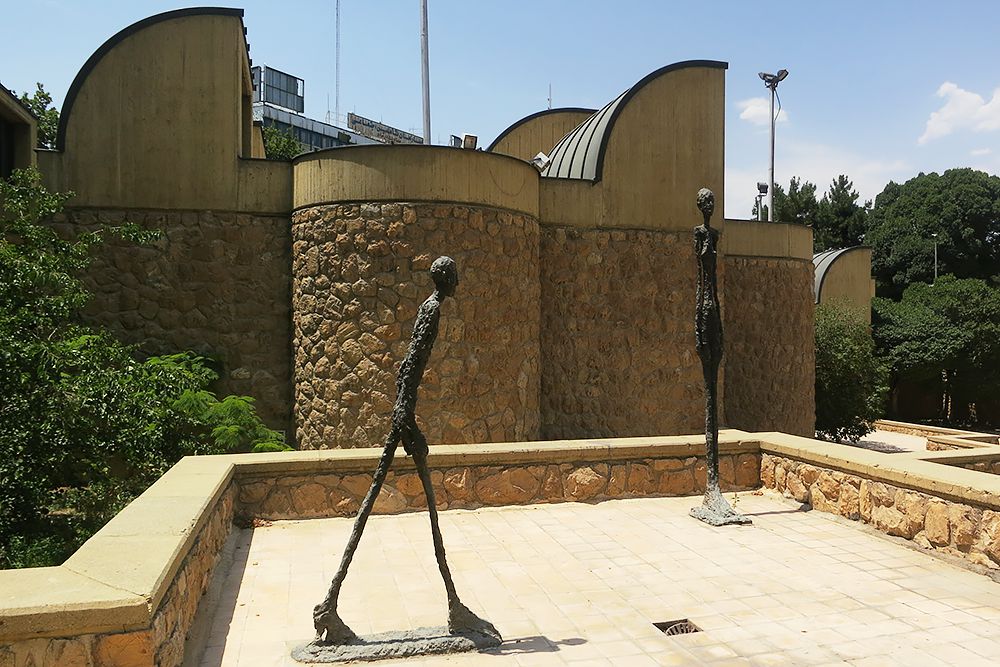
La sculpture en bronze « L’Homme qui marche I » du Suisse Alberto Giacometti créée en 1960.
Six exemplaires de cette statue sont disponibles dans des collections privées et des musées du monde entier dont au Musée d’art contemporain à Téhéran, Iran.
Photo 1: Billet Suisse 100 Frs.
Photo 2: La sculpture en bronze, L’Homme qui marche I au Musée d’art contemporain à Téhéran, Iran.
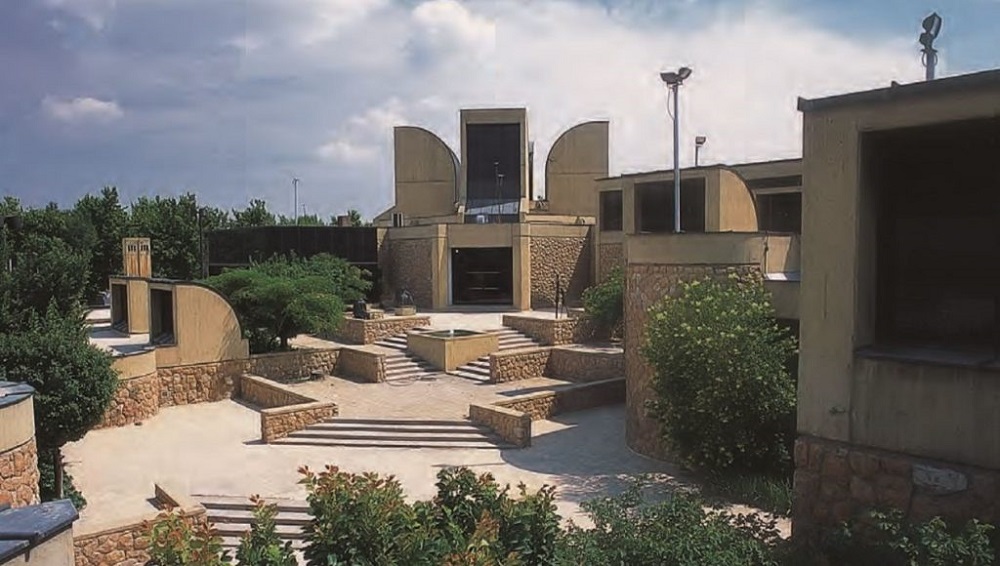
Photo 3: Musée d’art contemporain Téhéran Iran.
-Homme qui marche I
https://www.fondation-giacometti.fr/fr/database/161058/homme-qui-marche-i
-Giacometti dans le monde
https://www.fondation-giacometti.fr/fr/giacometti-dans-le-monde
-Homme qui marche I
https://fr.wikipedia.org/wiki/Homme_qui_marche_I
✍ENGLISH
100 Swiss Francs 1998.
The bronze sculpture « The Walking Man I » by the Swiss Alberto Giacometti created in 1960.
Six examples of this statue are available in private collections and museums around the world, including the Museum of Contemporary Art in Tehran, Iran.
Photo 1: Swiss banknote 100 Frs.
Photo 2: The bronze sculpture, The Walking Man I at the Museum of Contemporary Art in Tehran, Iran.
Photo 3: Museum of Contemporary Art Tehran Iran.
-Walking Man I
https://www.fondation-giacometti.fr/en/database/161058/walking-man-i
-Giacometti throughout the world
https://www.fondation-giacometti.fr/en/giacometti-throughout-the-world
-(The Walking Man I or The Striding Man I, lit. The Man who Walks I)
https://en.wikipedia.org/wiki/L%27Homme_qui_marche_I
─────
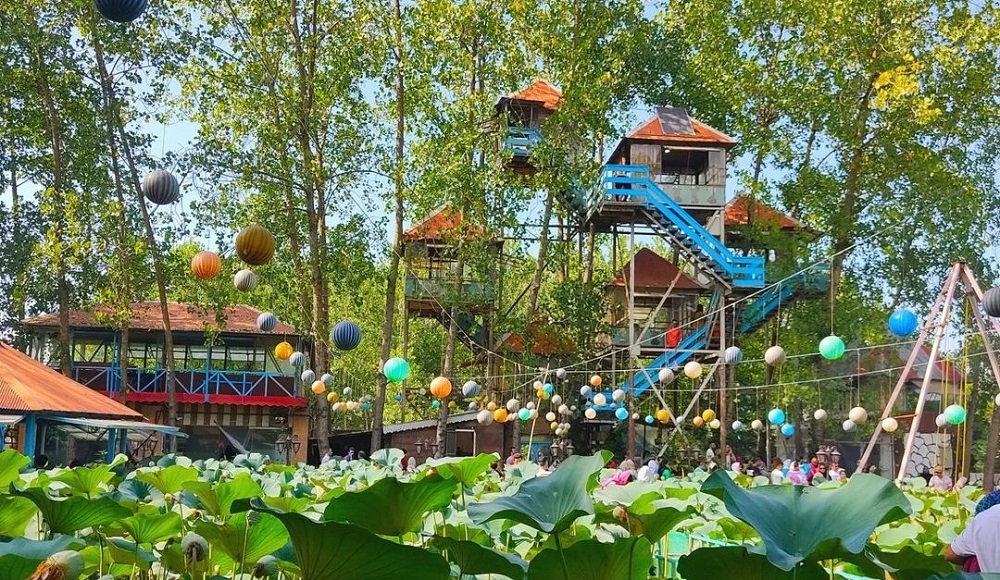
Une petite merveille cet endroit, réalisée dans les années 90, les constructions des cabanes dans les arbres par un citoyen Iranien Morteza Mollaei étaient à la base pour son propre usage et celle de sa famille, comme un parc familial.
C’est petit à petit par l’afflux de visiteurs locaux que plus de cabanes sont construites pour devenir ce complexe touristique dans une zone extrêmement verdoyante. La mise en œuvre de ces constructions a été réalisée avec une structure de conception traditionnelle en bois et avec des considérations environnementales.
Le climat à Dahnesar est tempéré et humide et la période la plus fleurie est le mois de mai. Tout a été mis en œuvre pour les touristes, comme parc pour enfants, restaurants et salons de thé traditionnels, maisons d’hôtes d’écotourisme, piste équestre, vous ne manquerez pas d’activités.
Photo: Instagram @alachigh.derakhti
Faites un clique sur le compte Instagram IranPersiaVoyage pour voir des vidéos
✍ENGLISH
Treehouses in Dahnesar in the province of Gilan located in the North-West of Iran.
Amazing place, made in the 90s, the constructions of the tree houses by an Iranian citizen Morteza Mollaei were basically for his own use and for his family, as a family park.
It’s little by little by the influx of local visitors that more huts are built to become this tourist complex in an extremely green area. The implementation of these constructions were carried out with traditional wooden design structure and with environmental considerations.
The climate in Dahnesar is temperate and humid and the most flowery period is the month of May. Everything has been done for tourists, such as a children’s park, restaurants and traditional tea rooms, ecotourism guest houses, walking around, you will not miss activities.
Photo: Instagram @alachigh.derakhti
Click in the Instagram account IranPersiaVoyage to see videos
(Sur la vidéo YouTube 👇 cliquez sur sous-titres pour lire en français)
IRAN/Walking in Khommam tree gazebo / 2022
Khommam tree gazebo is one of the most beautiful tourist centers of Gilan province in Khommam city.
These recreational pavilions are located in the village of Dahne Sarshijan. And it was built by the efforts of one of the good-natured, capable and creative residents of the village.
This place is undoubtedly one of the most unique places that you will be amazed from the moment you enter. In addition to the creativity used, small pavilions are located on tall trees.
You have full respect for all the beauties around you and you spend amazing moments.
Khommam tree gazebo was built on top of 20 trees with dimensions of 8, 10 and 12 meters. The area of these pavilions has a restaurant, a swimming pool and an artificial lake covered with a swamp lily plant.
And there is a pedal boat and a long swing on the pool and a wooden bridge on the rice paddies and… The interesting idea of this series was inspired by Dr. Ernst’s favorite cartoon of the 1960s.
And for this reason, it attracts countless tourists from different countries every year. There are other examples of these pavilions in countries such as France, India, Sweden, America, Costa Rica, Canada, and Japan.
Gilani’s local dishes are served in its restaurant, and this is the most interesting thing. You can fish in the pool of this complex and then buy the fish.
Khommam tree gazebo is located in Gilan-Khamam-Shijan road.
Video: walk with saly
─────
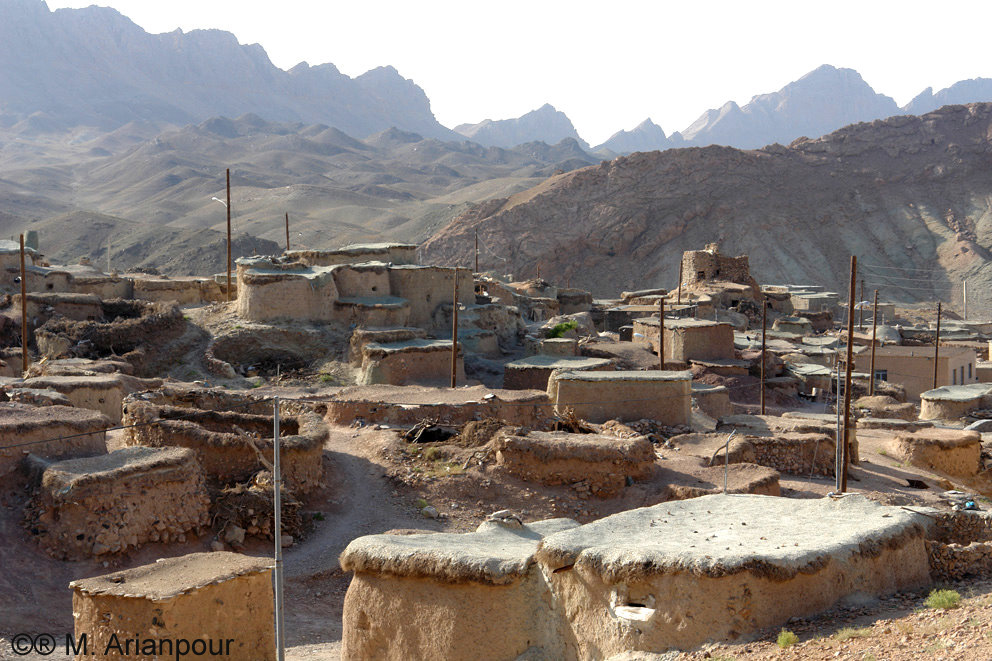
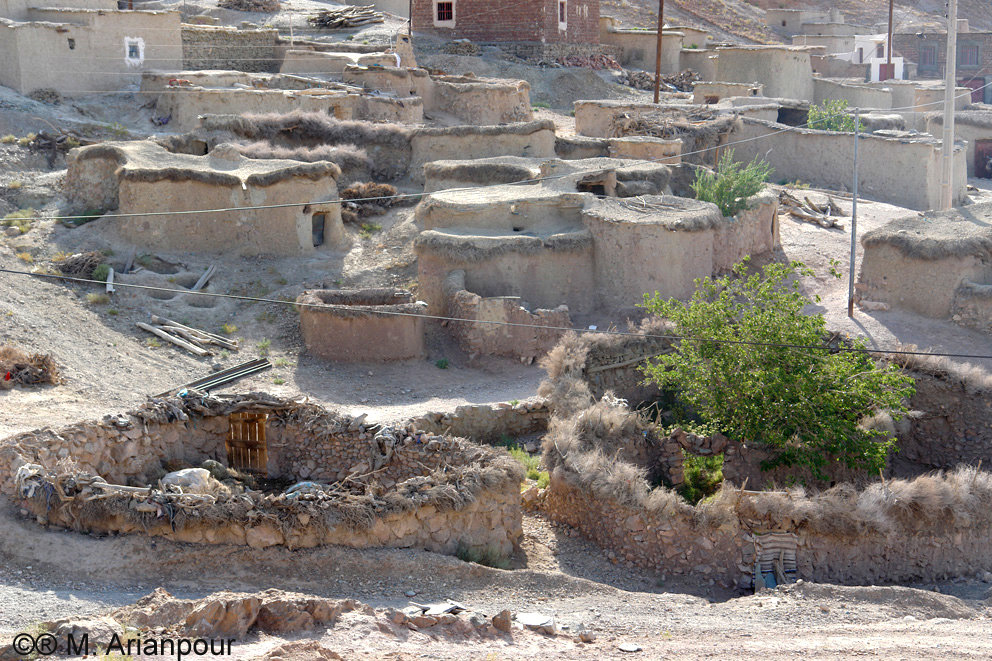
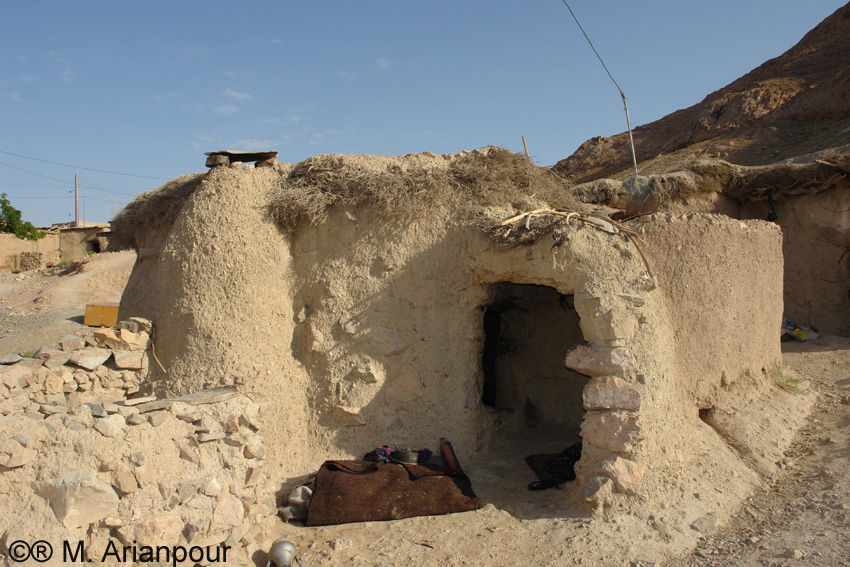
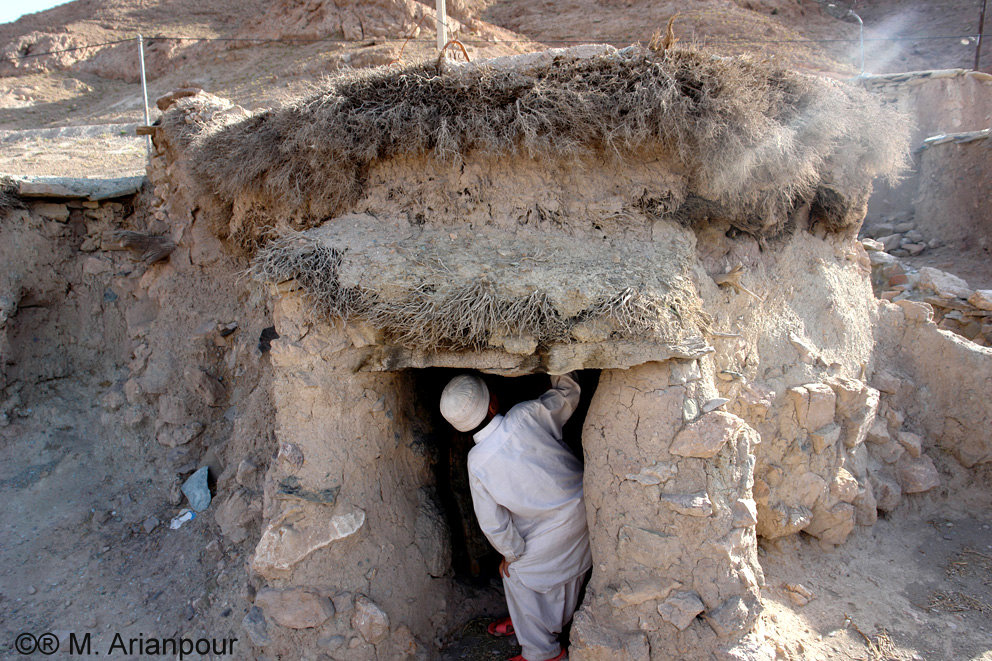
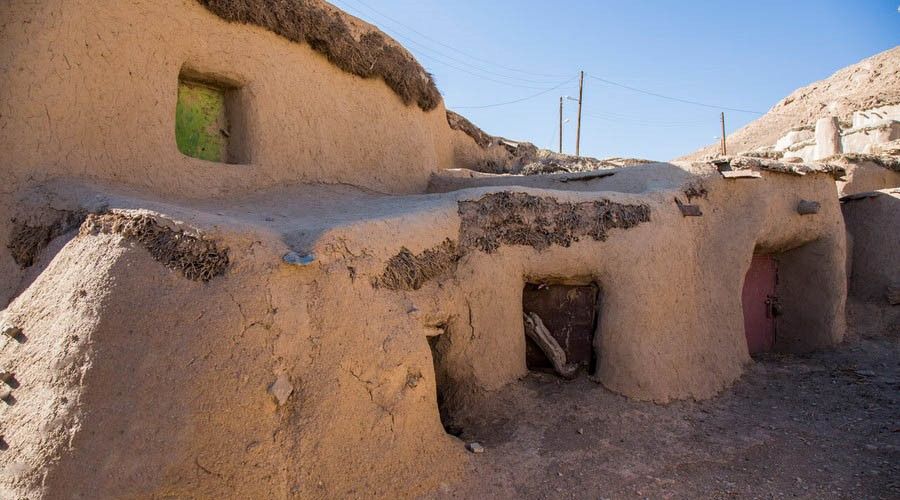
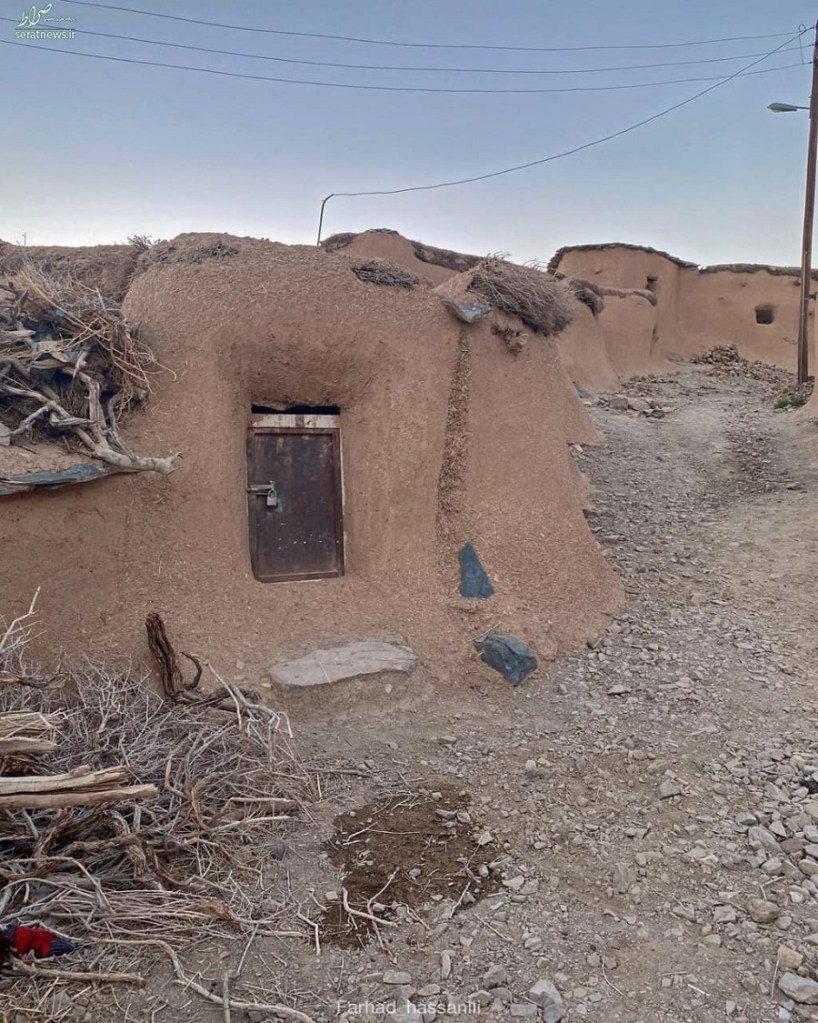

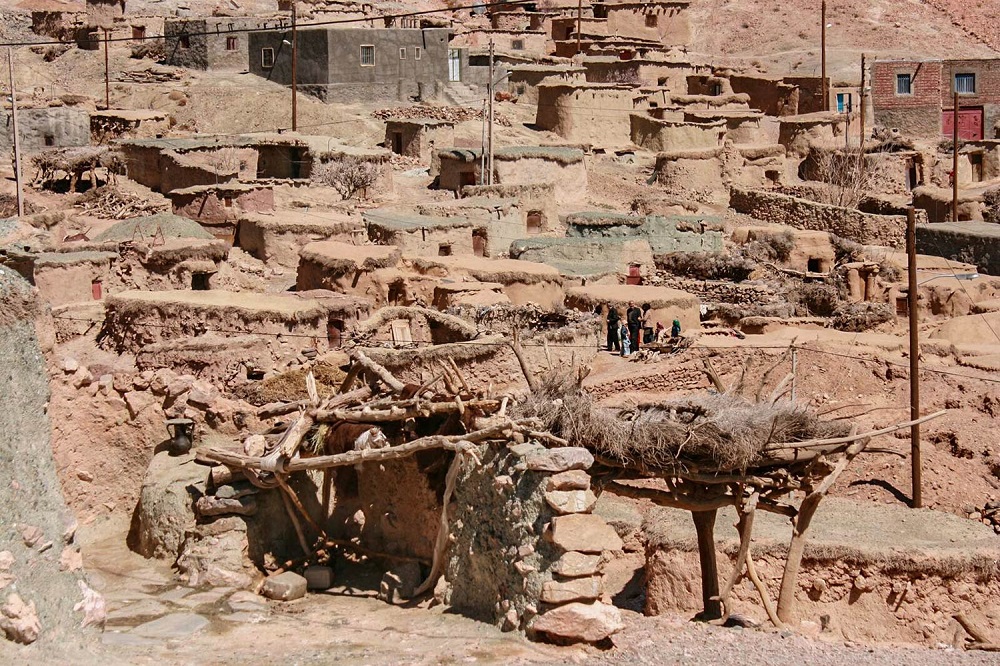
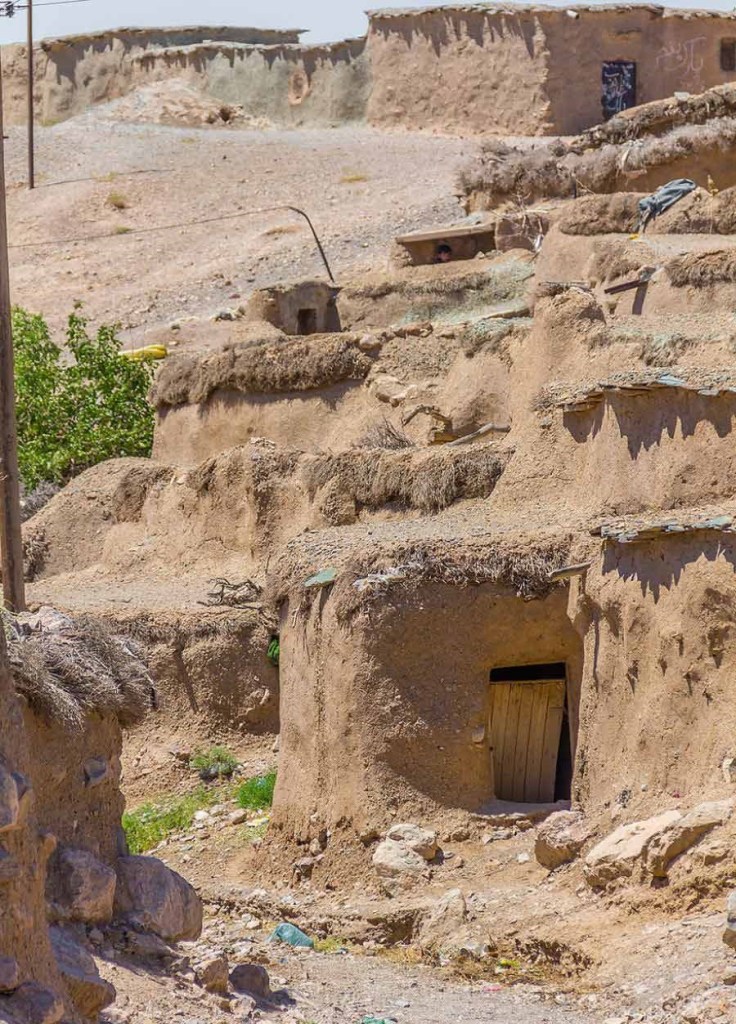
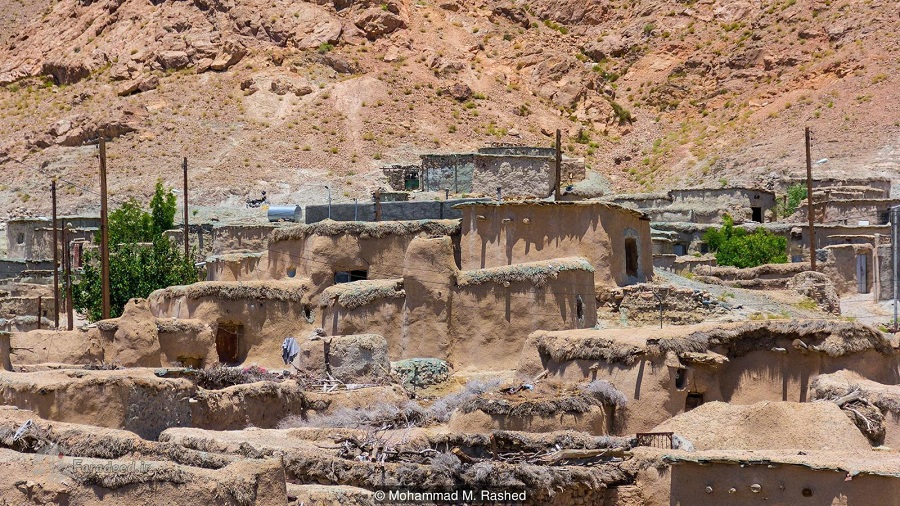
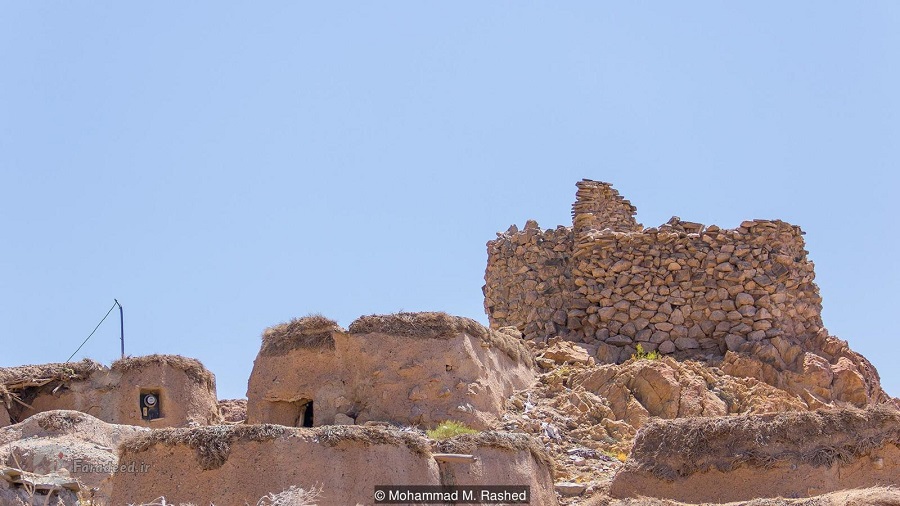
Cette cité est aussi connue de son surnom persan « shahr-e koutouleh-ha » qui veut dire « ville des nains ».
Suite à des années de fouilles archéologiques dans cette région désertique du Khorasan du Sud qui s’est reliée avec d’autres fouilles archéologiques dans une autre région désertique, à seulement cent kilomètres de Makhunik, attestent qu’il y a plus de 6000 une civilisation à bien prospérer dans ces endroits désertiques d’Iran.
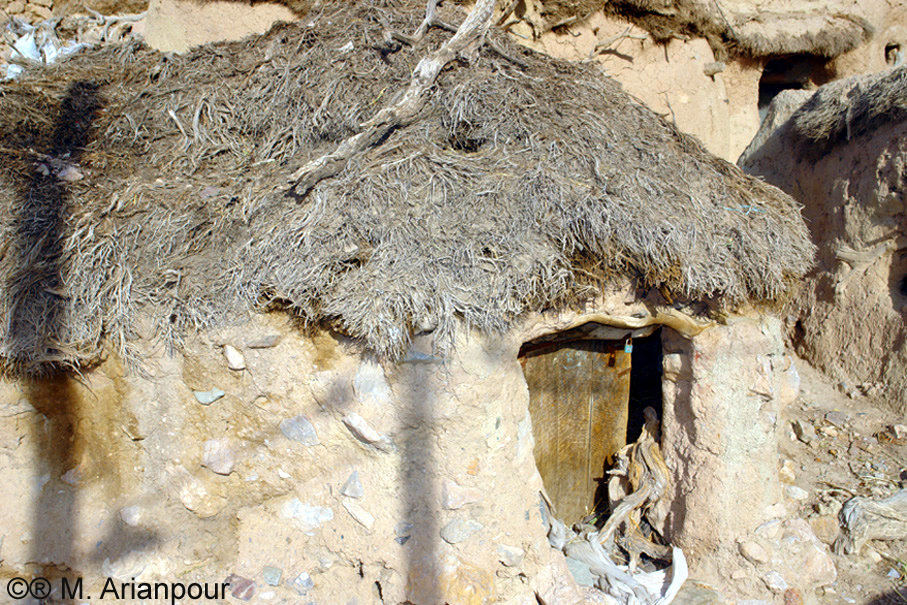
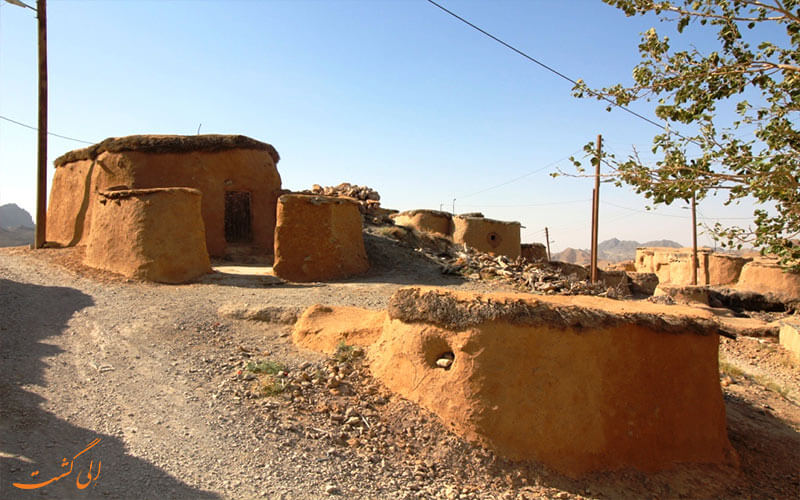
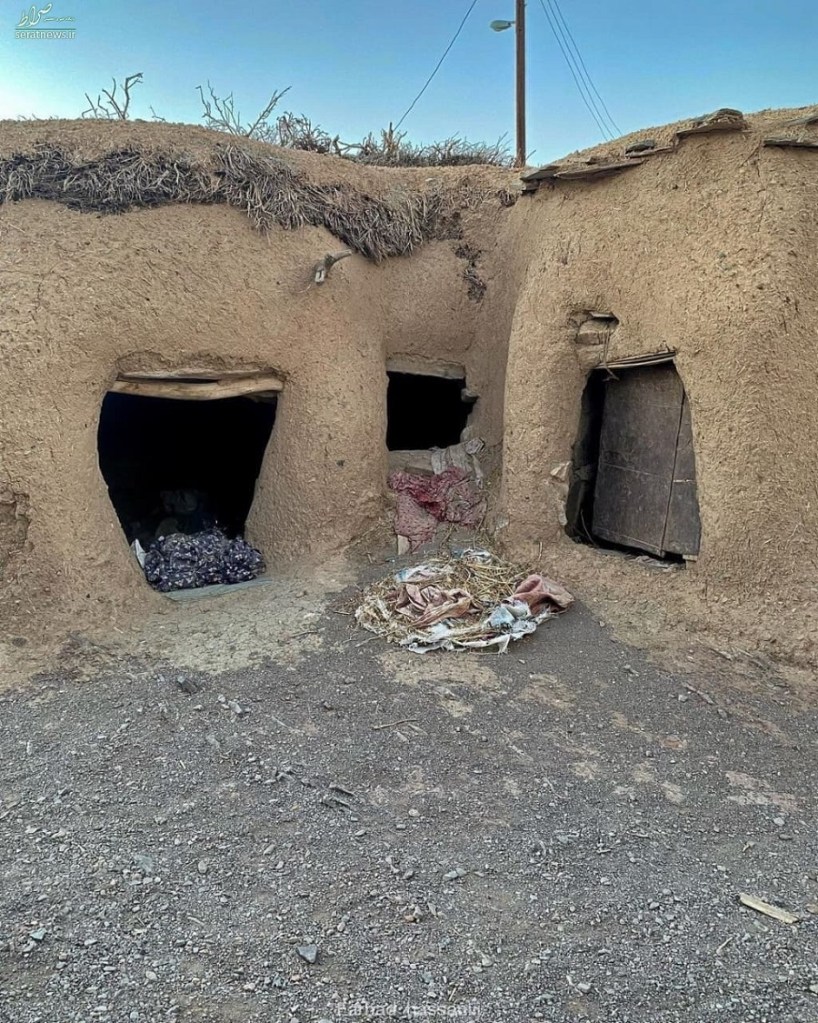
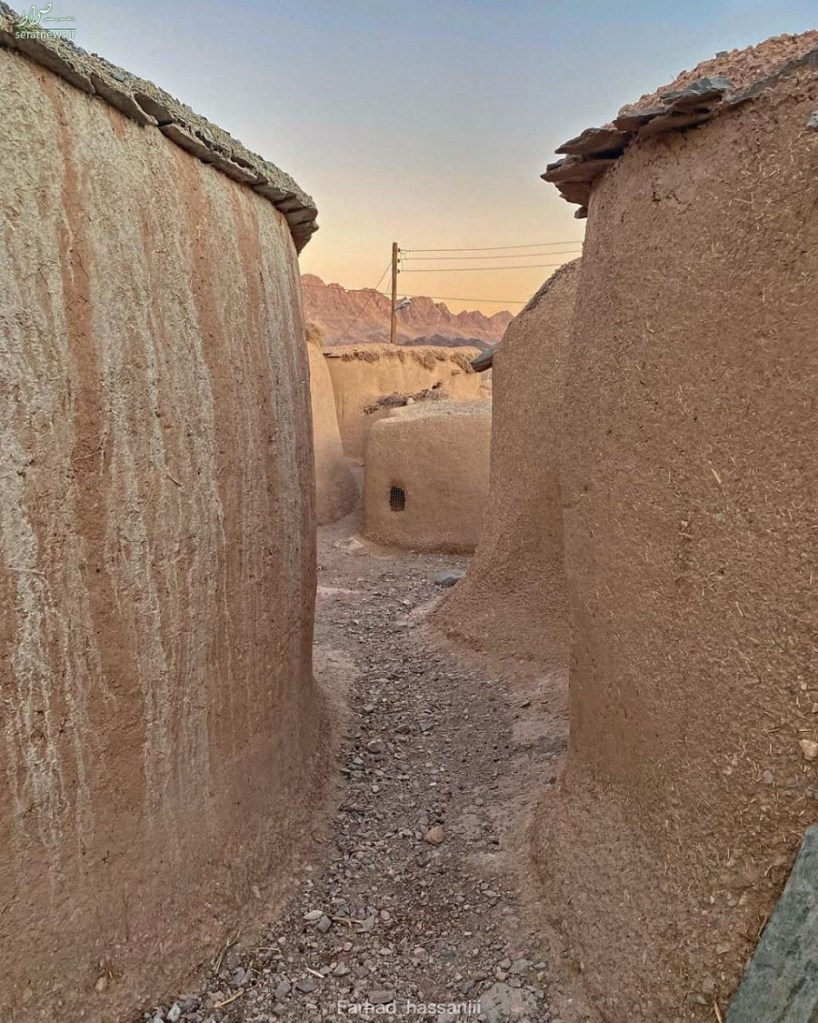
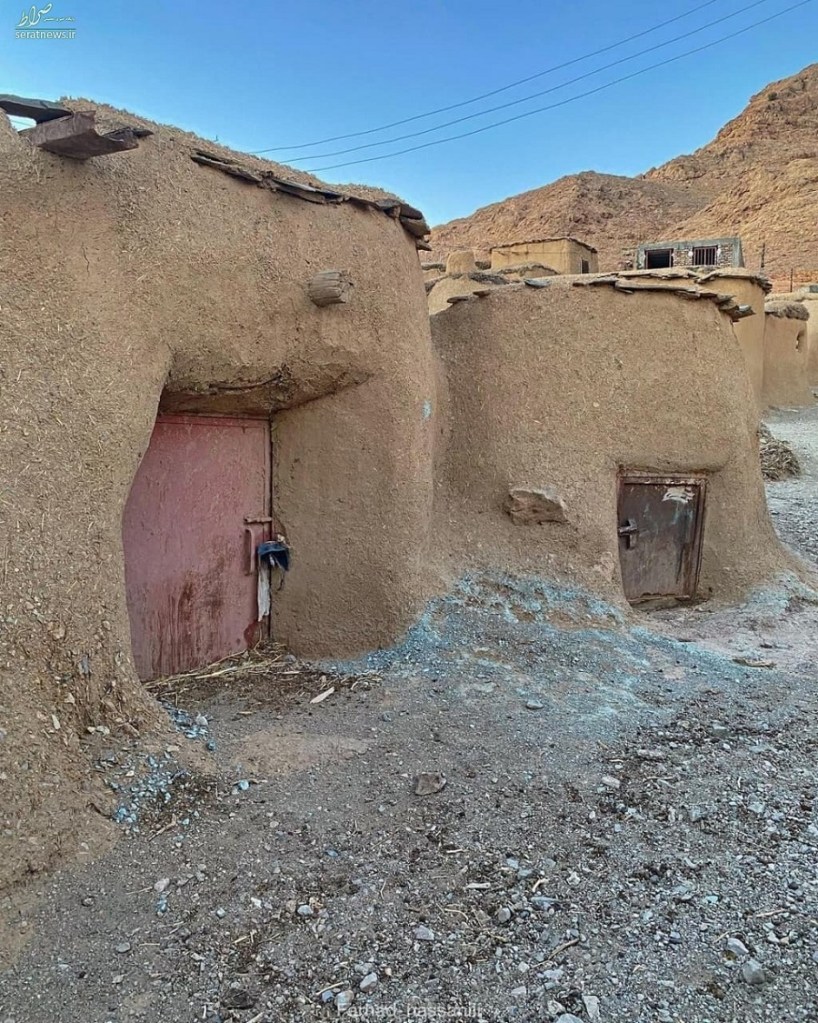
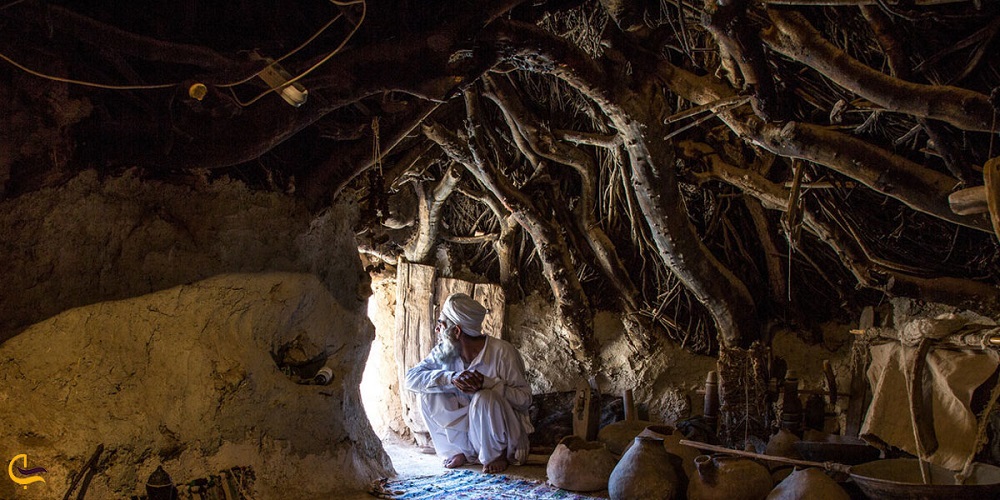
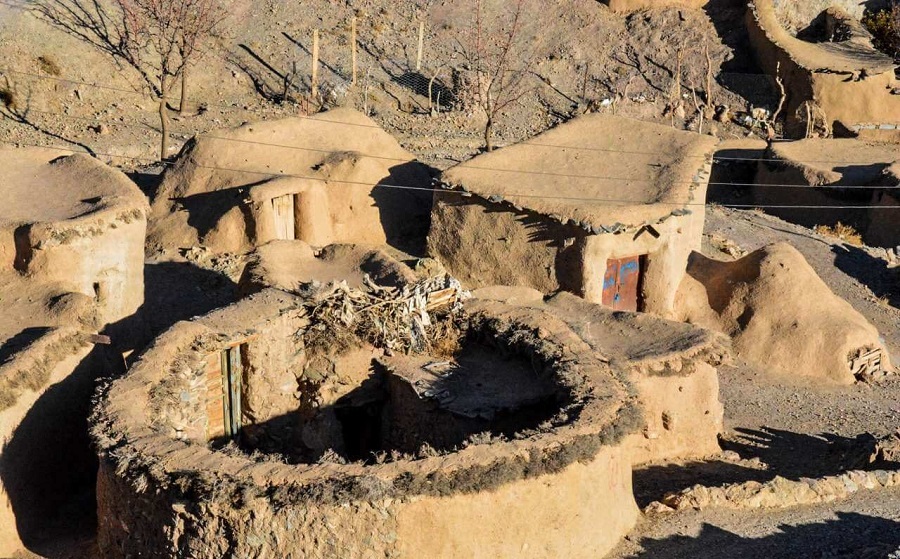
Et en ce qui concerne Makhunik(1), il y a des constructions d’à-peu-près 200 maisons de petite taille, aucune maison de la cité ne dépasse 1,5 m de haut. Et les portes d’entrée des maisons ont une hauteur de 60 cm à 80 cm.
Dans le passé, les portes étaient faites d’épines et de buissons du désert, mais au fil du temps, elles ont été remplacées par du bois et des clous. Les murs des maisons sont en pierre et en boue et le plafond est recouvert de troncs d’arbre et d’arbustes locaux.
La plupart des maisons ont une pièce qui s’ouvre sur une ruelle. Les dimensions, la taille et la forme des maisons ne sont pas les mêmes; certaines sont carrées, d’autres demi-cercles et d’autres mêmes triangles. Les maisons sont construites les unes près des autres afin qu’en périodes les plus chaudes la chaleur n’affecte pas les températures plus fraîches à intérieures.
Mais qu’en est-il de la petite taille de la cité ?
Il y a quelques théories, dont une, que seuls des gens de petite taille pouvaient vivres dans ses maisons. Alors, est-ce une cité édifiée par des nains ou des Lilliputiens ?
Selon certaines analyses, les nains où Lilliputiens auraient quitté la cité en raison d’une sécheresse extrême, pourtant les habitants ont pris soin de colmater les portes de leurs habitations, dans lesquelles ont été retrouvés tous leurs biens intacts. De toute évidence ils avaient l’intention de revenir un jour dans leurs maisons. Mais ils ne sont jamais revenus.
Quoi qu’il en soit, des gens de petite(2) taille ont toujours existé, tantôt aduler ou mépriser jusqu’à la mort, le destin tragique des gens de petite taille reste tabou.
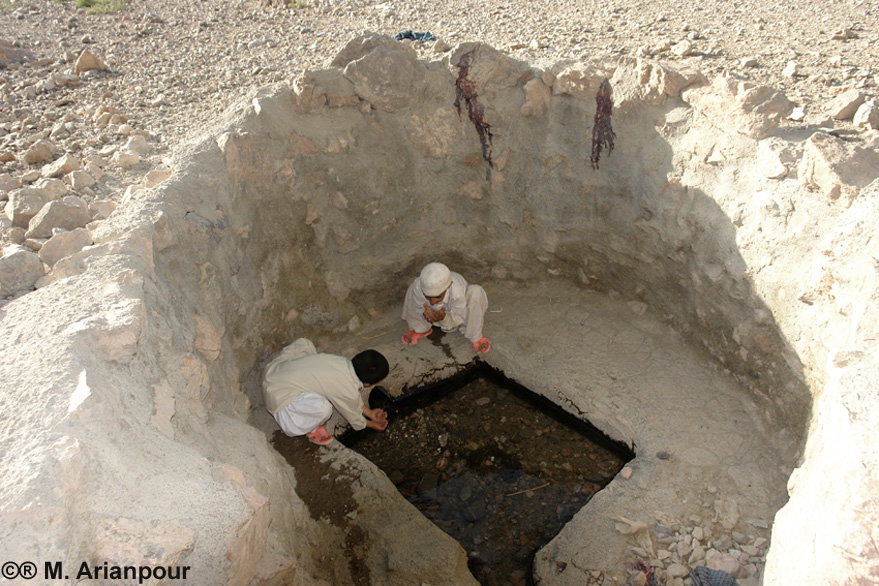
Selon une autre théorie, Makhunik est tout simplement une structure de trous naturels dans les roches granitiques et qu’en raison de la taille naturelle des lacunes, les structures des trous sont des tailles et des formes irrégulières et que les grands trous sont divisés en pièces.
Ces espaces aménagés typiquement du style néolithique(3) auraient été utilisés pour stocker des aliments ainsi que des objets. Et probablement un lieu de rencontre. Chacun des trous était unique à une famille qui avait hérité de leurs ancêtres, ces trous ont été scellés à l’aide de boue et l’empreinte d’un doigt de chaque propriétaire est pressée sur la boue.
Peut-être qu’un jour on aura le fin mot de ce village mystérieux.
Makhunik fut inhabité pendant des siècles mais reprendra vie pendant la création de l’Afganistan(4) entre 1160/1747 quand l’Iran a perdu des vastes zones de cette région et avec la création de nouvelle frontière entre l’Iran et l’Afaganistan, il en résulte que depuis Makhunik se trouve à seulement 30 minutes de la frontière afghane.
Et dont pourquoi aussi, les résidants de Makhunik sont principalement d’Afganistan. Cette région de l’Afghanistan a depuis gardé une forte influence de son passé Iranien, comme jusqu’à parler le Dari Persan et la langue écrite standard est le même qu’en Iran. Outre, en Afghanistan il existe encore des vestiges datant de l’Empire Perse ainsi que d’autres Empires Iraniens.
Depuis longtemps plus personne ne vit dans ses maisons néolithiques, tous les villageois vivent dans des maisons ordinaires construites à côté du vieux village.
Les habitants du village de Makhunik jusqu’à il y a seulement 50 ans, en raison de leur isolement et de leur isolement des zones environnantes, avaient des habitudes et des croyances particulières.
Par exemple, ils ne buvaient pas de thé, ils ne chassaient pas et ils ne mangeaient pas de viande. Et ne fume pas de cigarette. L’arrivée de la télévision dans le village n’a pas été très bien accueillie par les habitants, ils voyaient la télévision comme un appareil diabolique.
Toutes les fiançailles, mariages, festivals, cérémonies de prières pour la pluie et même les célébrations traditionnelles et locales n’ont quasi pas changé depuis que le village est réhabité.
Au cours des dernières années, les habitants de Makhunik portaient encore des chaussures en bois et des vêtements en toile, tissé comme en temps anciens.
L’occupation principale des villageois est l’élevage et l’agriculture et le tissage des tapis. En plus de l’agriculture, certains hommes travaillent dans une mine de pierre près du village.
Les villageois vivent modestement et sont conservateurs et comme partout en Iran ils sont très accueillants.
Pour les touristes, il est bon de savoir qu’il est difficile de rencontrer des gens dans le Khorasan(5) du Sud qui parlent le français ou l’anglais, contrairement à d’autres zones bien plus touristiques en Iran. Et Makhunik est loin de tous les lieux touristiques.
Dès lors, il est important de bien préparer votre tour avant d’y aller, ça vous évitera bien des tracas. Pour aller à Makhunik, il est judicieux de réserver à l’avance un chauffeur de taxi attitré et qui vous attendra pendant votre visite, ou d’avoir un guide attitré qui pourra vous amener non seulement à Makhunik mais qui pourra aussi vous amener à d’autres endroits.
Le prix du taxi avec l’attente du chauffeur pendant votre visite est négociable, pareil si vous décidez d’avoir un guide. Il y a des bus mais sans horaire fixe dans cette région.
NOTICE, il est très courant en Iran de faire de l’auto-stop, surtout dans des régions aussi reculées mais il est tout même déconseillé pour les touristes d’en faire, cette région est désertique et proche de la frontière Afghane. Pour faire l’expérience de l’auto-stop en Iran, faites le plus tôt dans les grandes ou petites villes peuplées.
Le village de Makhunik dans le Khorasan du Sud a un beau temps modéré au printemps et en automne, froid en hiver et chaud et sec en été.
Il faut compter une demi-journée pour votre visite à Makhunik, entre le trajet aller-retour et le temps de faire le tour, le temps passe vite. Conseil utile, des baskets bien confortables pour faire votre tour et prenez avec vous un pique-nique ainsi que de l’eau et le nécessaire pour vous protéger de la chaleur. À Makhunik il n’y a pas d’hôtels ni restaurants.
Makhunik est à peu près à 130km (1h30min en voiture) de la capitale Birjand et à peu près 65km (50min en voiture) du village Sarbisheh, et pour aller à Makhunik vous devez partir d’une de ces deux villes.
Le conseil est de planifier votre tour pour les trois provinces du Khorasan, dont vous pouvez commencer par le Khorasan du Sud. Selon d’où vous partez, prenez un vol interne pour atterrir à l’aéroport de Birjand.
(À suivre votre tour dans le Khorasan du Sud)
(À suivre votre tour dans le Khorasan Razavi)
(À suivre votre tour dans le Khorassan du Nord)
Serie des photos:
-Makhunik-1 à 6 Photos M. Arianpour
http://gup88-yazd.blogfa.com/post/10
-Makhunik-7
https://www.eligasht.com/Blog/category/travelguide/
-Makhunik-8 à 13
https://www.seratnews.com/fa/news
-Makhunik-14 à 17
https://blog.rahbal.com/makhunik/
-Makhunik-18 à19
https://www.eligasht.com/Blog/category/travelguide/
Vidéos:
-Makhunik-20 à 21 (Faites un clique sur le compte Instagram IranPersiaVoyage pour voir des vidéos)
@birjand_shahre_man
(1)
-Makhunik Map
https://mapcarta.com/fr/14666362
-Makhunik
https://fr.wikipedia.org/wiki/Makhunik
-Makhunik, a 1,500-year-old village
https://parsdiplomatic.com/iran-sightseeing/makhunik/
-« Le village des lilliputiens » en Iran garde ses secrets
https://yogaesoteric.net/fr/le-village-des-lilliputiens-en-iran-garde-ses-secrets/
(2)
-Nanisme
https://fr.wikipedia.org/wiki/Nanisme
-Le nain, une figure dé-mesurée, dans les enluminures des manuscrits profanes des xive et xve siècles en France
https://journals.openedition.org/medievales/7244
-Les nains à la Cour : coqueluches des princes
https://plume-dhistoire.fr/nains-de-cour-coqueluches-des-princes/
-Même avant qu’il y ait une histoire écrite, les nains sont apparus dans les œuvres d’art de nombreuses cultures.
Les images de nains sont parmi les plus anciens artefacts existants: ils sont représentés dans d’anciennes sculptures funéraires en pierre et en argile en Égypte, en Inde, en Chine et dans les civilisations mayas; Ils sont mis en évidence dans les légendes et les mythes de chaque nation.
Dans les tribunaux, de l’Égypte ancienne au 18ème siècle, les nains étaient collectés, livrés, parfois abusés et envoyés par la royauté comme cadeaux. Dans l’Égypte ancienne, les nains étaient associés à Bes et Ptah, dieux de l’accouchement et de la créativité, ce qui contribuait à améliorer leur statut. Les cours égyptiennes étaient uniques en ce sens qu’elles offraient des rôles aux nains en tant que prêtres et courtisans, ainsi que bijoutiers et gardiens de linge et d’objets de toilette.
Les monarques de toutes les nations envoyaient des émissaires partout pour rassembler des nains : bien que certains aient pu être libres, il est probable que d’autres aient été tenus dans un certain degré d’esclavage.
Une combinaison d’être très prisé, mais la propriété d’un propriétaire, ont été parmi les caractéristiques déterminantes de la vie des nains pendant les près de 5000 ans qu’ils sont connus pour avoir été présents dans les cours d’Afrique, d’Asie, d’Europe et d’Amérique centrale.
À toutes les époques, ils étaient chargés d’attendre ou d’amuser les autres. La nature de chaque cour différait, cependant, reflétant le tempérament de son dirigeant et le caractère de ses sujets.
Célèbre présent dans les cours de la Rome antique, les nains ont satisfait l’appétit de la royauté pour la violence et la lascivité. Sous le règne de Domitien (81-86 après JC), ils ont été jumelés avec des Amazones en tant que gladiateurs, et les femmes riches ont sélectionné leurs nains préférés à ramener à la maison pour participer à des jeux érotiques.
http://understandingdwarfism.com/brief-history
-Selon Susan Martinez, auteure de «L’histoire du petit peuple: leurs civilisations spirituellement avancées dans le monde», une ancienne race de personnes de petite taille a autrefois vécu sur Terre.
Elle évoque des légendes et des histoires de nombreuses cultures, telles que les dieux nains du Mexique, du Pérou, d’Afrique ou encore de Hawaii, des Cherokee, ou des Pygmées Africains ou encore de Malaisie.
Elle s’appuie sur la découverte de minuscules réseaux de tunnels, de petits cercueils, des portes basses dans des monticules et des huttes pygmées, témoins de cette race millénaire.
L’existence actuelle des Lilliputiens et des Pygmées est une preuve incontestable de leur existence millénaire.
https://www.simonandschuster.com/books/The-Lost-History-of-the-Little-People/Susan-B-Martinez/9781591431459
(3)
-A Dynamic Example for Explaining the Tradition of Storage and Stamp in Primary Societies: Based on Ethno-Archeological Studies in the Makhunik Village
https://irispublishers.com/oajaa/fulltext/a-dynamic-example-for-explaining-the-tradition-of-storage-and-stamp-in-primary-societies-based-on-ethno-archeological-studies.ID.000511.php
-Live Pre-Historic from Limited Collection and Agriculture (Base on Ethnoarchaeology Of Makhunik Livelihood Economy)
https://irispublishers.com/oajaa/pdf/OAJAA.MS.ID.000538.pdf
(4)
-Afghanistan
Les Afghans sont d’origine Indo-Iranienne, quelle que soit leur langue actuelle.
Son histoire et sa création comme État tampon entre les possessions de l’Angleterre et de la Russie ne se comprend pas sans une analyse géopolitique du « Grand Jeu » entre ces puissances, réactivé au début du xxie siècle dans un contexte de contrôle des routes pétrolières et gazières.
https://fr.wikipedia.org/wiki/Afghanistan
-Traité de Paris de 1856 : signé par Nassereddine Chah. L’Iran perd Hérat et des parties de l’Afghanistan en échange de l’évacuation des ports du sud de l’Iran par la Grande-Bretagne.
https://fr.wikipedia.org/wiki/Trait%C3%A9_de_Paris_(1856)
(5)
Le patrimoine culturel de l’Iran répertorie 1179 sites d’importance historique et culturelle dans les trois provinces du Khorasan.
Khorassan du Sud (avec Birjand pour capitale), Khorassan Razavi (Mashhad) et Khorassan du Nord (Bojnourd).
(À suivre l’histoire de cette province qui remonte depuis la nuit des temps).
Vidéo courte de Makhunik
✍ENGLISH
Visit the (dwarf or Lilliputian) city in Makhunik Iran
Iran Makhunik, city built over 1,500 years ago in the desert province of South Khorasan, is one of the seven most astonishing villages in the world.
The city is also known by its Persian nickname « shahr-e koutouleh-ha », meaning « city of dwarfs ».
After years of archaeological excavations in this desert region of South Khorasan, which have been linked with other archaeological digs in another desert region, one hundred kilometers from Makhunik, attest that more than 6000 years ago a civilization thrived in these desert areas of Iran.
And as far as Makhunik(1) is concerned, there are around 200 small houses, none of them is higher than 1.5m. And the front doors of the houses are between 60 cm and 80 cm high.
In the past, doors were made of thorns and desert bushes, but over time these have been replaced by wood and nails. The walls of the houses are made of stone and mud, and the ceiling is covered with tree trunks and local shrubs.
Most houses have a room that opens onto an alley. The dimensions, size and shape of the houses vary; some are square, others semi-circular and others even triangular. The houses are built close to each other so that in the hottest periods the heat doesn’t affect the cooler temperatures inside.
But what about the small size of the city?
There are a few theories, one of which is that only small people could live in these houses. So, is this a city built by dwarfs or Lilliputians?
According to some analyses, the dwarves or Lilliputians left the city due to an extreme drought, yet the inhabitants took care to seal the doors of their dwellings, in which all their possessions were found intact. Clearly, they intended to return to their homes one day. But they never did.
Short(2) people have always existed, sometimes adulated or despised to death, the tragic fate of short people remains taboo.
Another theory is that Makhunik is simply a natural hole structure in granitic rock, and due to the natural size of the gaps, the hole structures are irregular in size and shape and the larger holes are divided into pieces.
These typically Neolithic(3) landscaped spaces would have been used to store food as well as objects. And probably a meeting place. Each hole was unique to a family who had inherited it from their ancestors, and was sealed with mud, with each owner’s fingerprint pressed into the mud.
Maybe one day we’ll know more about this mysterious city.
Makhunik was uninhabited for centuries, but came back to life during the creation of Afganistan(4) between 1160/1747, when Iran lost vast areas of this region, and with the creation of a new border between Iran and Afaganistan, Makhunik is now just 30 minutes from the Afghan border.
And why, since then, the residents of Makhunik are mainly from Afganistan. This region of Afghanistan has since maintained a strong influence from its Iranian past, to the point of still speaking the Persian Dari, and the standard written language is the same as in Iran. In addition, in Afghanistan there are still ruins dating back to the Persian Empire as well as other Iranian Empires.
Nobody has lived in these Neolithic houses for a long time, all the villagers now live in ordinary houses built next to the old village.
The inhabitants of the village of Makhunik until just 50 years ago, because of their isolation from the surrounding areas, had their own particular habits and beliefs.
For example, they didn’t drink tea, they didn’t hunt and they didn’t eat meat. And they don’t smoke cigarettes. The arrival of television in the village wasn’t very well received by the locals, who saw it as an evil device.
All the engagements, weddings, festivals, prayers for rain and traditional and local celebrations have remained virtually unchanged since the village was re-inhabited.
In recent years, Makhunik’s inhabitants still wore wooden shoes and hand-woven clothes, as in ancient times.
The villagers’ main occupation is livestock rearing, farming and carpet weaving. In addition to farming, some men work in a stone mine near the village.
The villagers live modestly and are extremely conservative and as everywhere else in Iran, they are very welcoming.
For tourists, it’s good to know that it’s hard to meet people in South Khorasan(5) who speak French or English, unlike other touristy areas of Iran. And Makhunik is a long way from all the tourist attractions.
Therefore, it’s important to carefully prepare your tour before you go, it will avoid you a lots of hassle. To go to Makhunik, it’s a good to book a cab driver in advance and who will wait for you during your visit, or to have a guide who can take you not only to Makhunik but also to other places.
The price of a taxidriver with the driver waiting for you during your visit is negotiable, as well if you decide to have a guide. There are buses but without a fixed timetable in this region.
NOTICE, hitchhiking is very common in Iran, especially in such remote areas but it’s not recommended for tourists to do it, as this region is desert and close to the Afghan border. If you want to experience hitchhiking in Iran, it’s better to do it in large or small populated towns.
Makhunik village in South Khorasan has fine moderate weather during spring and autumn, cold in winter, and hot and dry during summer.
It takes half a day for your visit to Makhunik, between the round trip and the time to go around, time flies. A useful tip: wear comfortable sneakers for your tour, and take a picnic with you, as well as water and the essentials to protect you from the heat. Makhunik has no hotels or restaurants.
Makhunik is about 130km (1h30min drive) from the capital Birjand and about 65km (50min drive) from the village Sarbisheh, and to get to Makhunik you have to go from one of these two towns.
The advice is to plan your tour for all three provinces of Khorasan, of which you can start with South Khorasan. Depending on where you’re flying from, take an internal flight to land at Birjand airport.
(Coming up next: your tour in South Khorasan)
(Coming up next: your tour in Khorassan Razavi)
(Coming up next: your tour in Northern Khorassan)
Photos:
-Makhunik-1 to 6 Photos M. Arianpour
http://gup88-yazd.blogfa.com/post/10
-Makhunik-7
https://www.eligasht.com/Blog/category/travelguide/
-Makhunik-8 to 13
https://www.seratnews.com/fa/news
-Makhunik-14 to 17
https://blog.rahbal.com/makhunik/
-Makhunik-18 to 19
https://www.eligasht.com/Blog/category/travelguide/
Videos:
-Makhunik-20 to 21 (Click in the Instagram account IranPersiaVoyage to see videos)
@birjand_shahre_man
(1)
-Makhunik Satellite Map
https://mapcarta.com/14666362
-Makhunik
https://en.wikipedia.org/wiki/Makhunik
-Makhunik, a 1,500-year-old village
https://parsdiplomatic.com/iran-sightseeing/makhunik/
-Makhunik: The Village of Dwarves
https://www.amusingplanet.com/2018/05/makhunik-village-of-dwarves.html
-Makhunik ancient village The people of the village are really short and the houses are smaller than usual
https://www.tripadvisor.com/LocationPhotoDirectLink-g946414-i568963420-Birjand_South_Khorasan_Province.html
(2)
-Dwarfism
https://en.wikipedia.org/wiki/Dwarfism
-Statuette of an Official Who is a Dwarf
https://www.metmuseum.org/art/collection/search/626659
-Egyptian Dwarfs
https://www.world-archaeology.com/world/africa/egypt/egyptian-dwarfs/
-Ancient Mythical Dwarfs in Modern Yucatan
https://www.penn.museum/sites/expedition/out-of-the-past-and-into-the-night-2/
-Dwarfs in the Roman Arena
https://spectacularantiquity.wordpress.com/case-studies/public/dwarfs-in-the-arena/
-Dwarfism in Imperial Rome: A Case of Skeletal Evidence
https://arpi.unipi.it/retrieve/handle/11568/242935/535351/Arpi%20242935.pdf
-Dwarfs in European Art
https://doyle.com/specialists/elaine-banks-stainton/stories/dwarfs-european-art
-The Aztecs and dwarfs
https://www.mexicolore.co.uk/aztecs/ask-us/how-did-the-aztecs-treat-abnormalities
-Even before there was a written history, dwarfs appeared in the artwork of many cultures. Images of dwarfs are among the oldest artifacts extant: They are depicted in ancient stone and clay funerary sculpture in Egypt, India, China, and the Mayan civilizations; they are highlighted in the legends and myths of every nation.
In the courts, from ancient Egypt through the 18th century, dwarfs were collected, indulged, sometimes abused, and sent by royalty as gifts. In ancient Egypt, dwarfs were associated with Bes and Ptah—gods of childbirth and creativity—which helped enhance their status. The Egyptian courts were unique in that they offered roles to dwarfs as priests and courtiers, as well as jewelers and keepers of linen and toilet objects.
Monarchs in all nations sent emissaries far and wide to gather dwarfs: Although some may have been free, it is likely that others were held in some degree of bondage. A combination of being highly prized, but the property of an owner, were among the defining characteristics of dwarfs’ lives during the nearly 5000 years they are known to have been present in the courts of Africa, Asia, Europe, and Central America.
In all periods, they were assigned to wait upon or amuse others. The nature of each court differed, however, reflecting the temperaments of its ruler and the character of his subjects. Famously present in the courts of ancient Rome, dwarfs gratified royalty’s appetite for violence and lasciviousness. In the reign of Domitian (81-86 AD), they were matched with Amazons as gladiators, and wealthy women selected their favorite dwarfs to take home to participate in erotic games.
http://understandingdwarfism.com/brief-history
-A Long History of Little People
According to Dr Susan Martinez, author of ‘The History of the Little People: Spiritually Advanced Civilizations around the World’, an ancient race of people who were small in stature once inhabited the Earth.
She refers to legends and stories from many cultures, such as the dwarf gods of Mexico and Peru, the Menhune of Hawaii, the Nunnehi of the Cherokee, as well as African Pygmies and the Semang of Malaysia, and draws upon discoveries of tiny tunnel networks, small coffins, low doorways in mounds, and pygmy-sized huts, as evidence of this ancient race.
While Dr. Martinez’s work has attracted a large amount of both criticism and skepticism, others have been more open to the idea:
“Tales and legends of the wee folk, or little people, are numerous around the world. At times they are reportedly meddlesome, but always very mysterious. Through her extensive research into the subject matter, Susan Martinez, Ph.D., establishes the little people as the progenitor of civilization and one of the ancestors of the people of today,” said researcher and author Jack Churchward.
https://www.simonandschuster.com/books/The-Lost-History-of-the-Little-People/Susan-B-Martinez/9781591431459
(3)
-A Dynamic Example for Explaining the Tradition of Storage and Stamp in Primary Societies: Based on Ethno-Archeological Studies in the Makhunik Village
https://irispublishers.com/oajaa/fulltext/a-dynamic-example-for-explaining-the-tradition-of-storage-and-stamp-in-primary-societies-based-on-ethno-archeological-studies.ID.000511.php
-Live Pre-Historic from Limited Collection and Agriculture (Base on Ethnoarchaeology Of Makhunik Livelihood Economy)
https://irispublishers.com/oajaa/pdf/OAJAA.MS.ID.000538.pdf
(4)
-iii. Boundaries of Afghanistan
Afghanistan, the seventh largest landlocked country in the world in area (652,626 km2) is delineated by a boundary some 5,600 km long, over which it has never exercised more than partial control. It is surrounded by four countries: the USSR on the north (2,140 km of common boundary), Iran on the west (945 km), Pakistan on the south and east (ca. 2,430 km), and China on the northeast (76 km).
None of these boundaries was established before the last third of the 19th century. It was the “great game,” the famous rivalry between Britain and Russia in Central Asia, that led the latter two states to contemplate creating a buffer state between their respective dependencies, a kind of defensive barrier intended to eliminate all risk of direct confrontation between them.
https://iranicaonline.org/articles/boundaries-iii
-1857 Paris Treaty: Signed by Nasereddin Shah. Iran renounces all claims to Herat and parts of Afghanistan in exchange for the evacuation of Iran’s southern ports by Great Britain.
https://en.wikipedia.org/wiki/Treaty_of_Paris_(1857)
(5)
Iran’s cultural heritage lists 1,179 historical sites and cultural significance in the three Khorasan provinces.
South Khorassan (with Birjand as capital), Khorassan Razavi (Mashhad) and Northern Khorassan (Bojnourd).
(Coming: the history of this province which dates back to the dawn of time).
─────
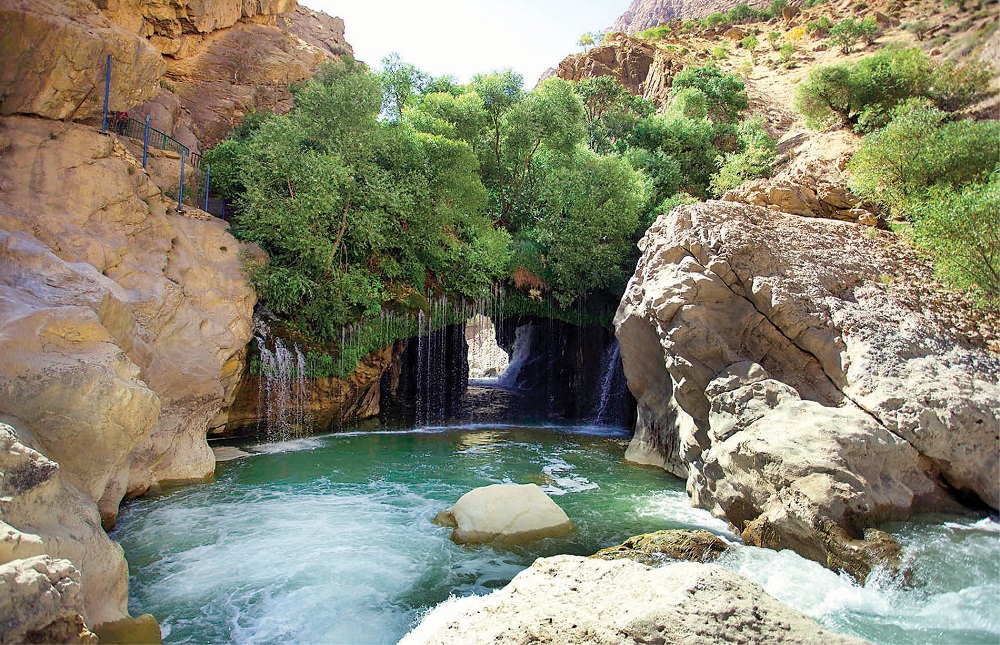
C’est d’une beauté sans nom, les cascades d’Ab Malakh dans la province d’Ispahan Iran.
Ab Malakh est situé à 60 km de la ville de Semirom.
Le meilleur moment pour visiter cette zone naturelle est le printemps et l’été. Par contre à cause de l’intensité de visiteurs pendant le week-end*, c’est mieux d’y aller un jour de semaine qui sera plus calme.
Il est IMPORTANT de ne pas être seule/seul, vous pouvez tomber dans l’eau, ou autres, et sans accompagnement vous vous mettez inutilement en danger. Il existe des bons guides professionnels pour ce genre d’activité.
(*Le week-end en Iran, commence le jeudi après-midi et le vendredi c’est férié, donc le premier jour de la semaine commence le samedi s’en suit dimanche, lundi, mardi, mercredi et ainsi de suite).
Photo+Video sur Instagram et Telegram
https://blueballoon.travel/en/attractions/Ab%20Malakh%20Waterfall%2097441/
-Abmalakh iran sur la carte
https://my.maptons.com/lang/fr/1817992
✍ENGLISH
The stunning beauty of the Ab Malakh waterfalls in Isfahan province, Iran.
Ab Malakh is located 60 km from the town of Semirom.
The best time to visit this natural area is spring and summer. However, because of the intensity of weekend* visitors, it’s better to go on a weekday when it’s more tranquil.
It’s IMPORTANT not to be alone, you might fall into the water, or whatever, and if you’re not accompanied, you’re putting yourself in unnecessary danger. There are good professional guides for this kind of activity.
(*The weekend in Iran starts on Thursday afternoon and Friday is a holiday, so the first day of the week starts on Saturday, followed by Sunday, Monday, Tuesday, Wednesday and so on).
Photo+Video in Instagram and Telegram
https://blueballoon.travel/en/attractions/Ab%20Malakh%20Waterfall%2097441/
-Abmalakh on the map of Iran
https://my.maptons.com/1817992
─────
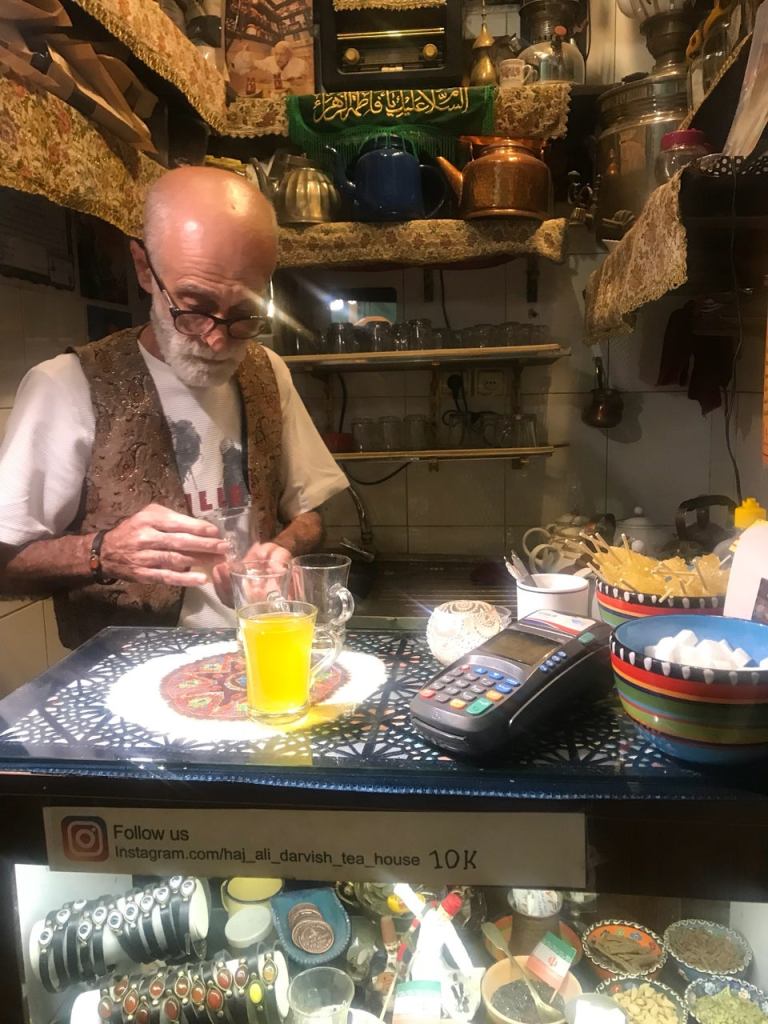
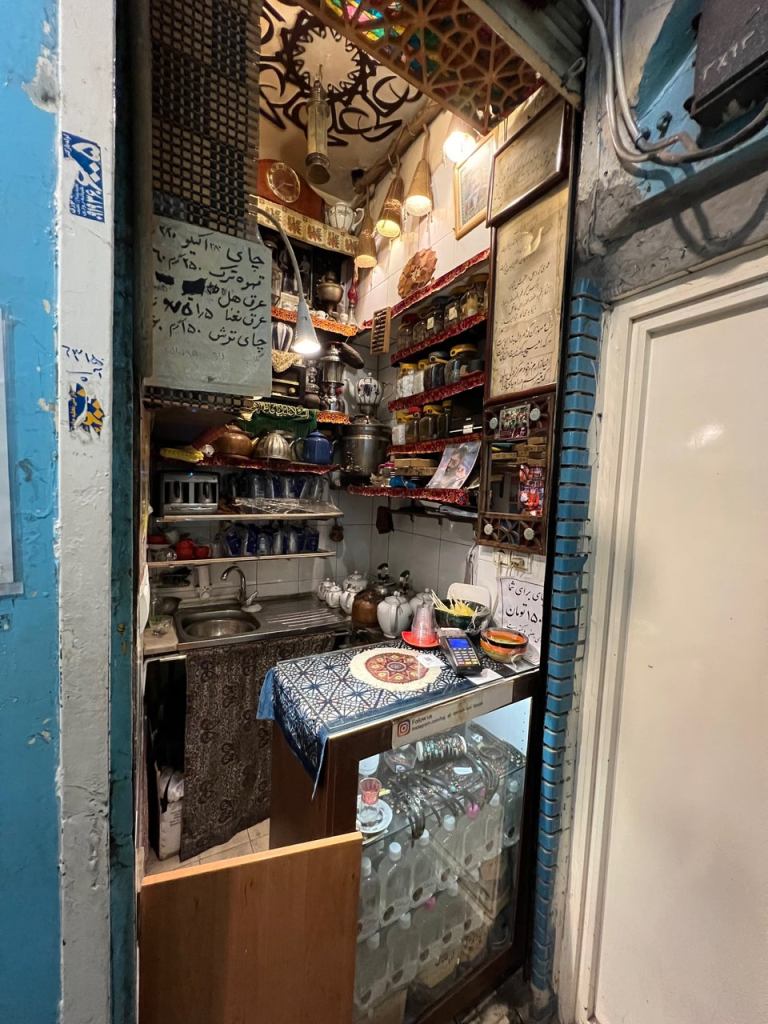
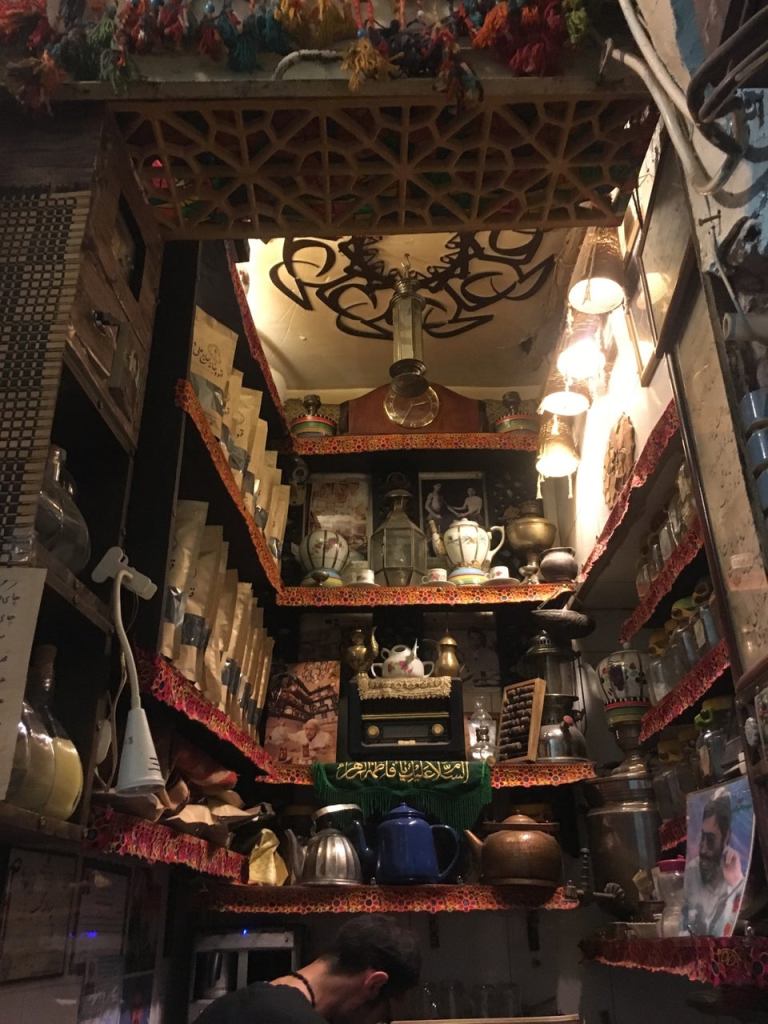
Iran, bienvenue dans le plus petit salon de thé du monde.
Quand vous êtes à Téhéran à visiter le grand bazar, ne pas manquer d’aller boire un thé chez Haj Ali Darvish.
Haj Ali Darvish s’étend sur une superficie de seulement 2 m². Ouvert il y a plus d’un siècle de père en fils, c’est un endroit plein d’histoires et dont l’accueil est très chaleureux.
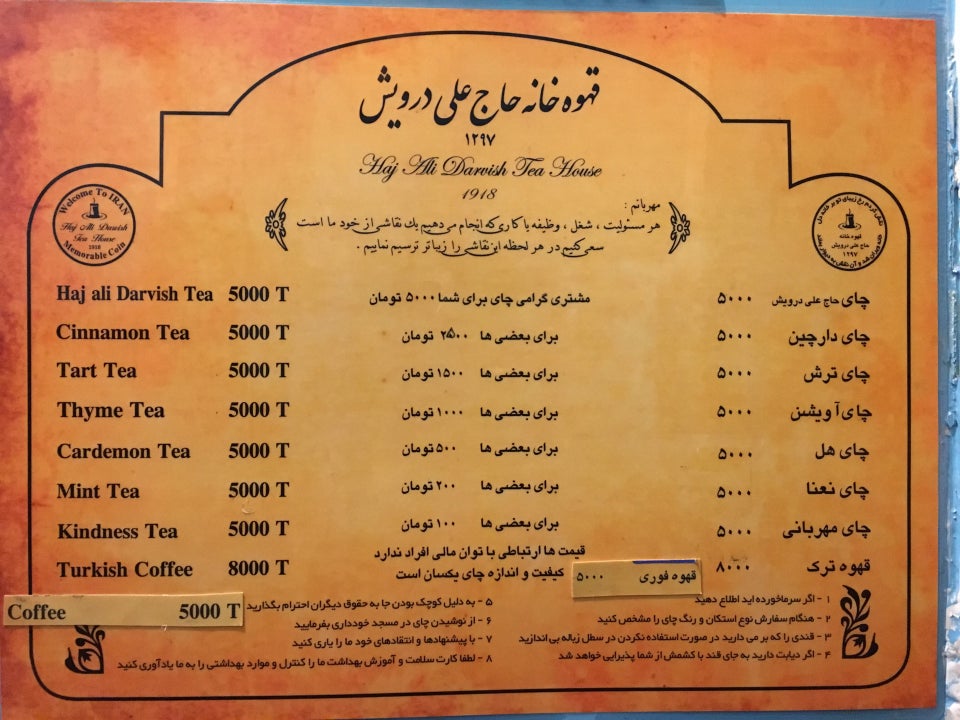
Parmi les thés, il y a le thé de la gentillesse qui a grand succès.
-World’s Smallest Tea House: Tehran’s Haj Ali Darvish
https://blog.theteakitchen.com/tea-travel/worlds-smallest-tea-house-tehrans-haj-ali-darvish/
@hajalidarvish.teahouse
https://www.instagram.com/hajalidarvish.teahouse/
✍ENGLISH
Iran, welcome to the world’s smallest tearoom.
When you’re in Tehran visiting the Grand Bazaar, don’t miss a cup of tea at Haj Ali Darvish.
Haj Ali Darvish covers an area of just 2 m². Opened over a century ago from father to son, it’s a place full of history and with a friendly welcome.
Among the teas, there’s the tea of kindness, which is very popular.
-World’s Smallest Tea House: Tehran’s Haj Ali Darvish
https://blog.theteakitchen.com/tea-travel/worlds-smallest-tea-house-tehrans-haj-ali-darvish/
https://www.instagram.com/hajalidarvish.teahouse/
─────
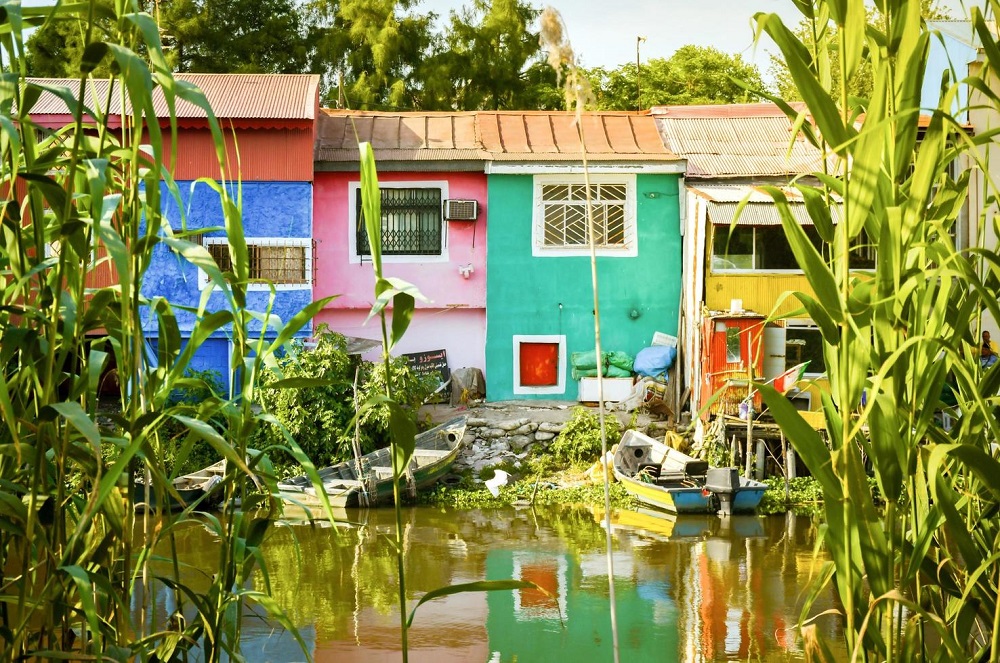
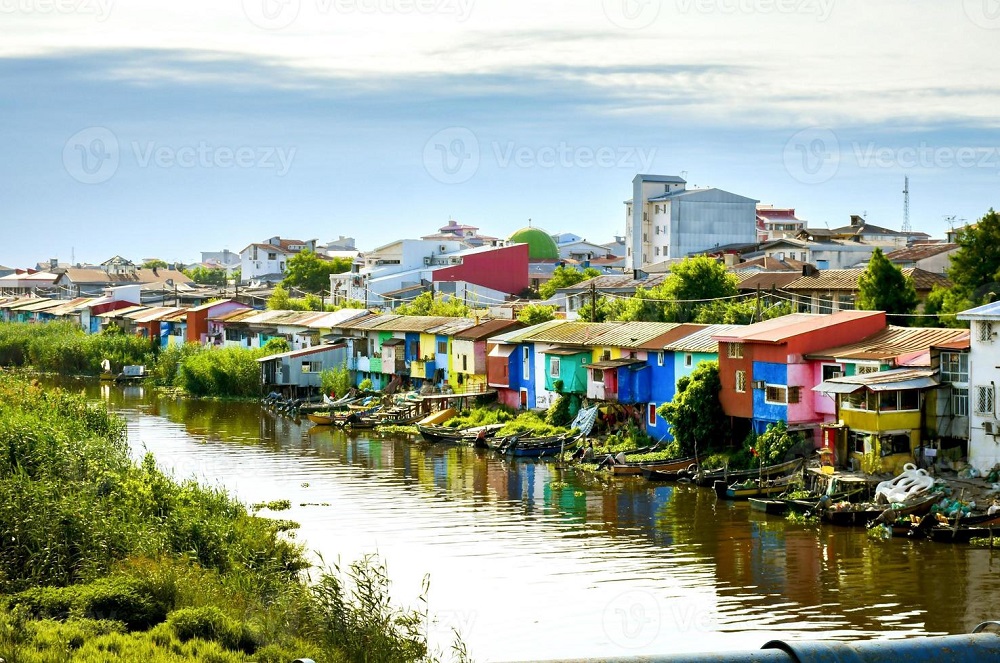
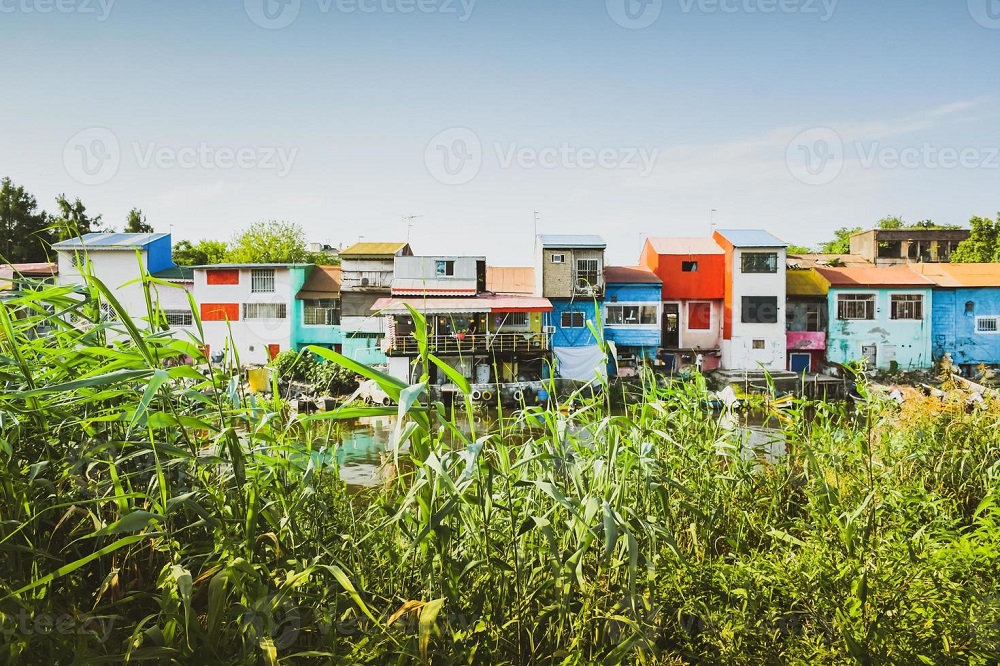
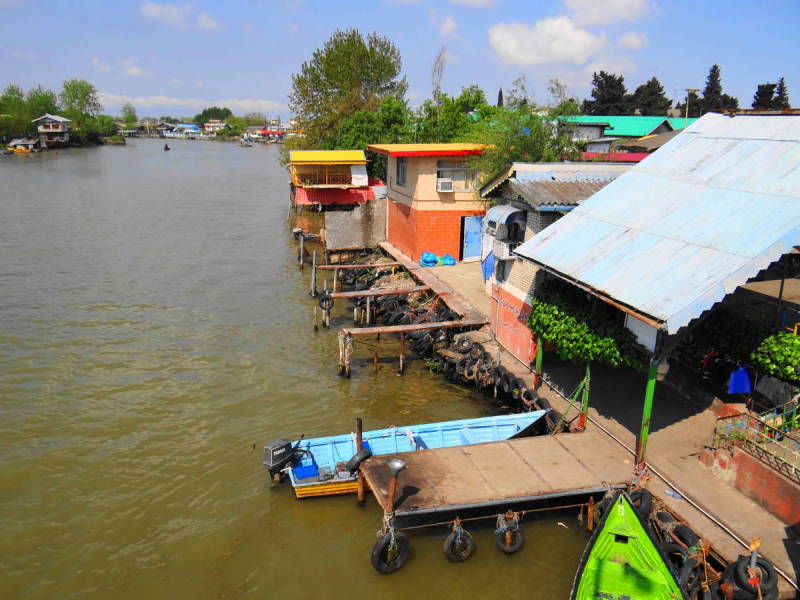
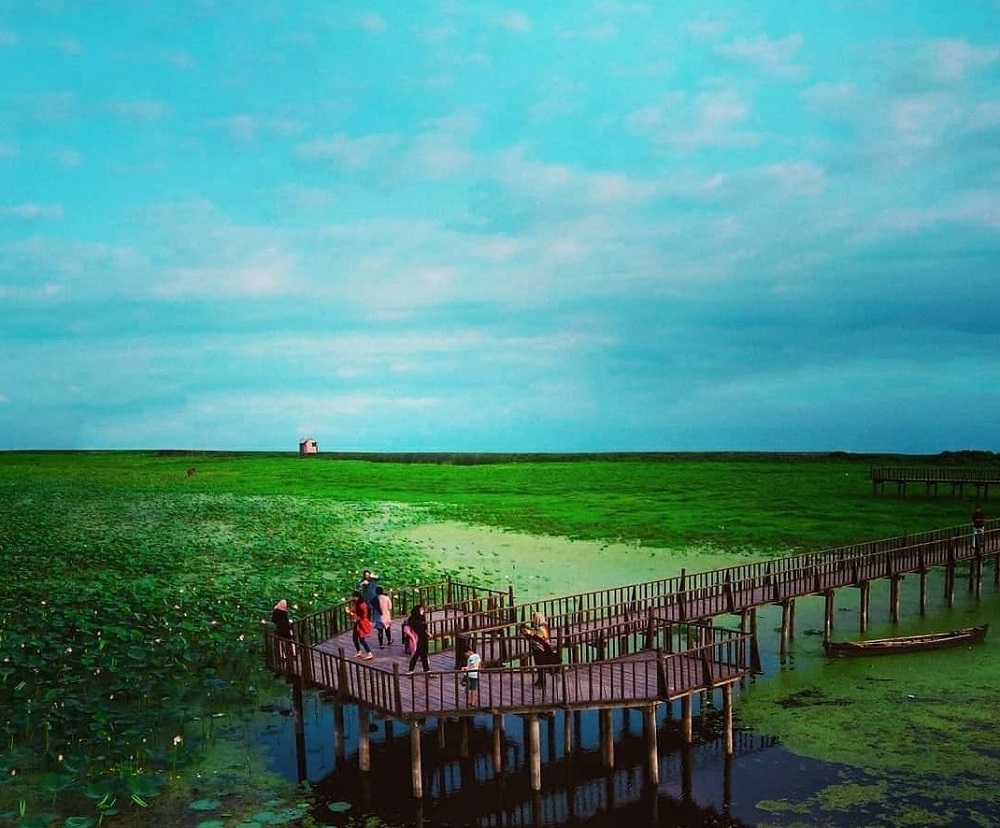
Visiter la lagune d’Anzali dans la province du Guilan Iran
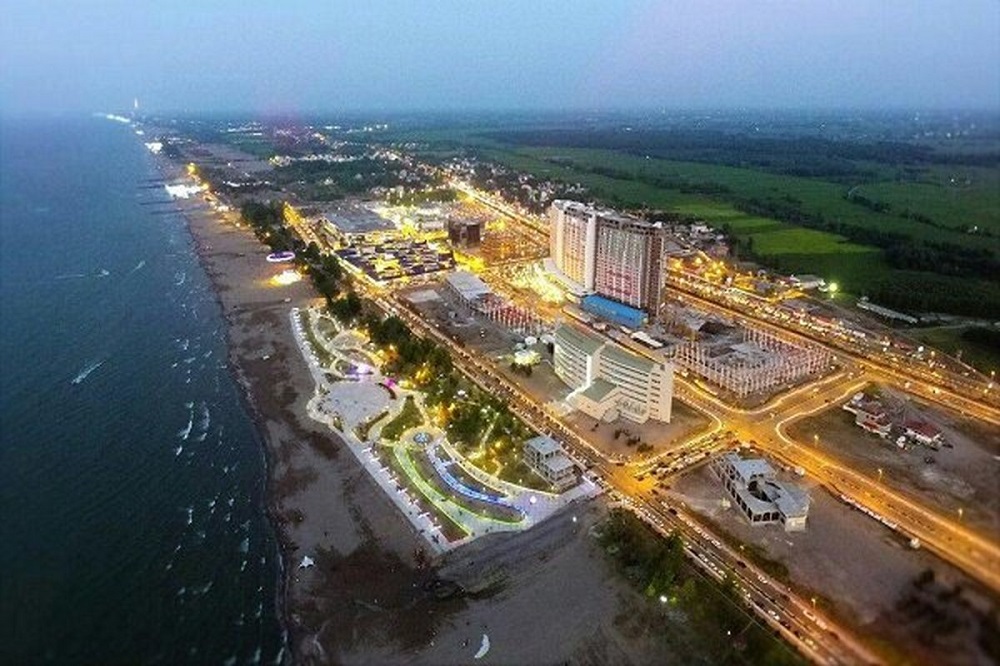
La lagune d’Anzali est un liman côtier, ou lagune, dans la mer Caspienne proche de la ville Bandar-e Anzali.
Située sur une superficie de 15 000 hectares, Anzali est l’une des rares zones humides iraniennes à avoir été enregistrée comme zone humide internationale dans la Convention de Ramsar(1) de 1975.
Étant l’une des villes les plus pluvieuses d’Iran, c’est pourquoi l’un des titres qui lui sont attribués est « La Ville de la pluie ». Elle porte également des titres comme « La Ville aux Nymphéas » et « La Porte de l’Iran à de l’Occident ».
Les zones humides sont considérées comme les écosystèmes les plus diversifiés sur le plan biologique.
La ville portuaire Bandar-e Anzali fût extrêmement connue dans l’Antiquité comme une porte vers l’Occident pour le commerce de la soie, grâce à sa situation géographique.
La ville et sa région se distinguent par une forte production de caviar. Et les habitudes alimentaires dont le riz est indissociable des plats locaux et Anzali justement produit le meilleur riz d’Iran. Vous allez apprécier les repas traditionnels.
(1)
-Convention Ramsar
La Convention a été adoptée dans la ville iranienne de Ramsar, en 1971, et est entrée en vigueur en 1975.
Depuis, près de 90% des États Membres de l’ONU, de toutes les régions géographiques du monde, sont devenus « Parties contractantes ».
https://www.ramsar.org/fr
-La zone industrielle de libre-échange d’Anzali a été créée en 2005. (Blog en anglais et Persan, veuillez utiliser la traduction)
https://www.freezones.ir/en/anzali
-POISSON, PÊCHE ET QUALITÉ DE L’EAU DANS LA LAGUNE ANZALI ET SON BASSIN VERSANT (Blog en anglais, veuillez utiliser la traduction)
https://www.fao.org/3/AD192E/AD192E00.htm#TOC
-Élévation du niveau de la mer dans la lagune d’Anzali, Iran (Blog en anglais, veuillez utiliser la traduction)
https://www.grida.no/resources/7583
✍ENGLISH
Visit Anzali lagoon in Guilan province, Iran
Anzali Lagoon is a coastal liman, or lagoon, in the Caspian Sea near the town of Bandar-e Anzali.
Covering an area of 15,000 hectares, Anzali is one of the few Iranian wetlands to have been registered as an international wetland under the 1975 Ramsar Convention(1).
As one of the rainiest cities in Iran, one of its titles is « The City of Rain ». Other titles include « City of Water Lilies » and « Gateway from Iran to the West ».
Wetlands are considered to be the most biologically diverse of ecosystems.
The port city of Bandar-e Anzali was well known in ancient times as a gateway to the West for the silk trade, due to its geographic location.
The city and its region are renowned for their caviar production. And the eating habits, of which rice is an inseparable part of local dishes, Anzali producing the best rice in Iran. You’ll appreciate the traditional meals.
(1)
-Ramsar Convention
The Convention was adopted in the Iranian city of Ramsar in 1971 and came into force in 1975.
Since then, almost 90% of UN member states, from all the world’s geographic regions, have acceded to become “Contracting Parties”.
https://www.ramsar.org/
-Anzali Free Trade-Industrial Zone was established in 2005
https://www.freezones.ir/en/anzali
-FISH, FISHERIES AND WATER QUALITY IN ANZALI LAGOON AND ITS WATERSHED
https://www.fao.org/3/AD192E/AD192E00.htm#TOC
-Sea level rise in Anzali Lagoon, Iran
https://www.grida.no/resources/7583
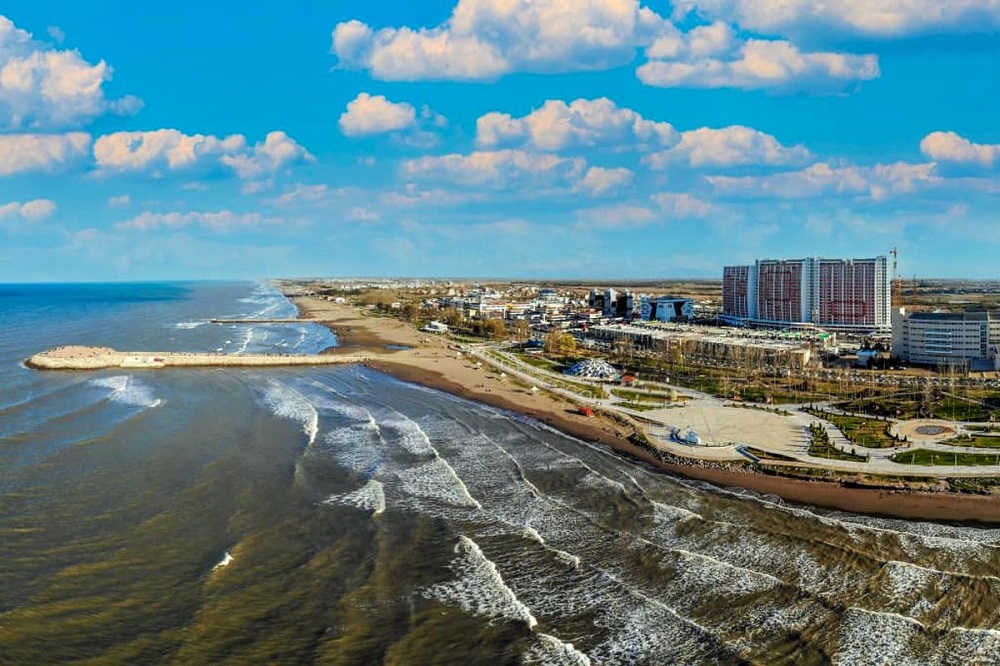
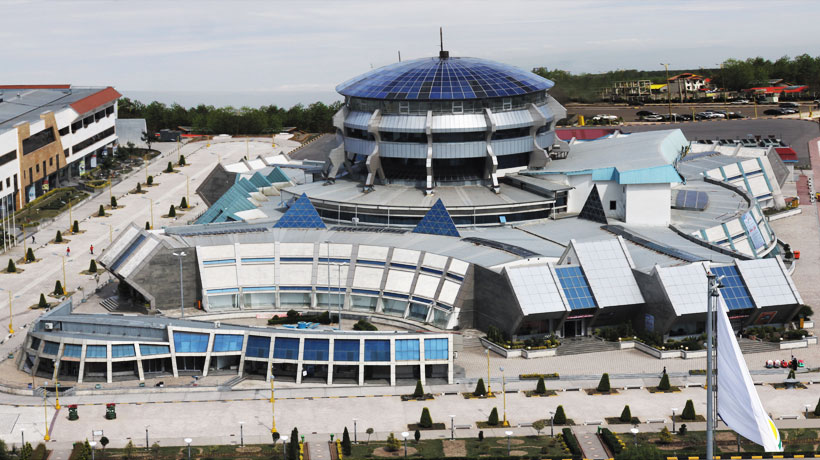
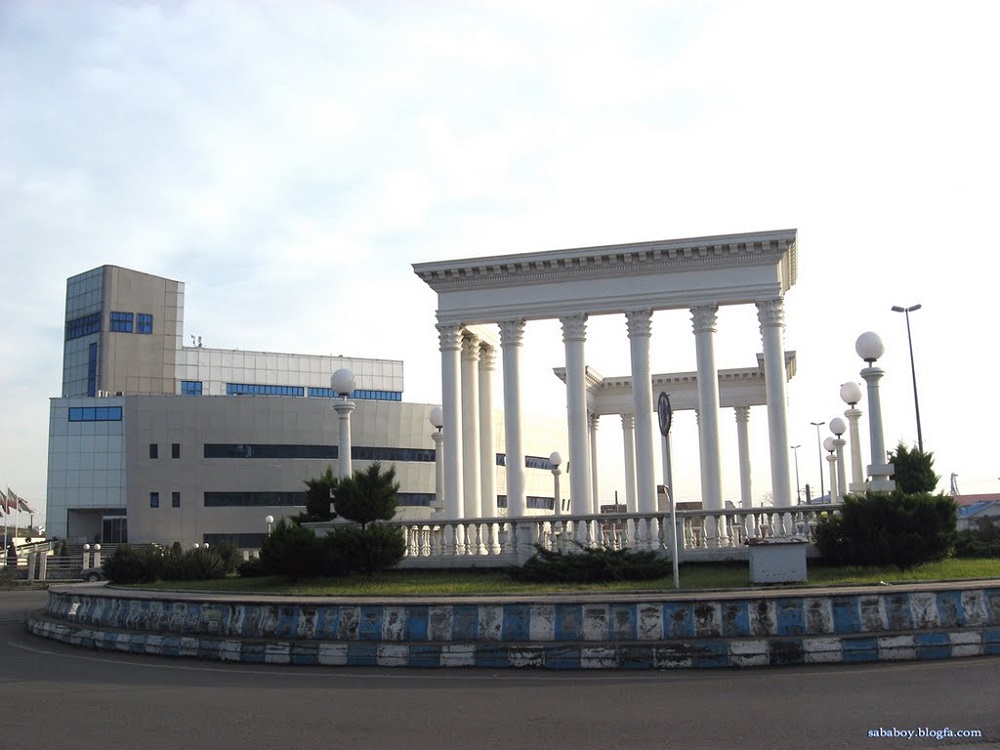
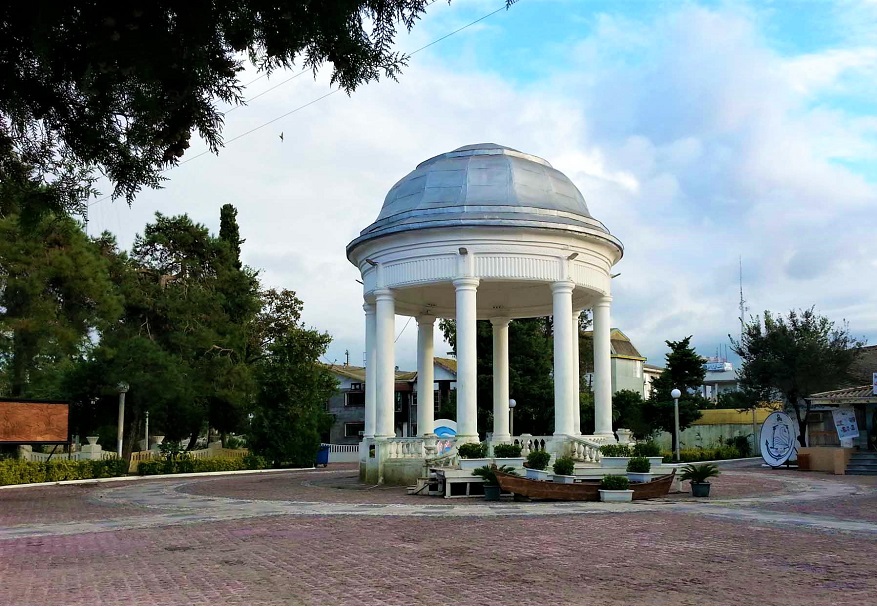
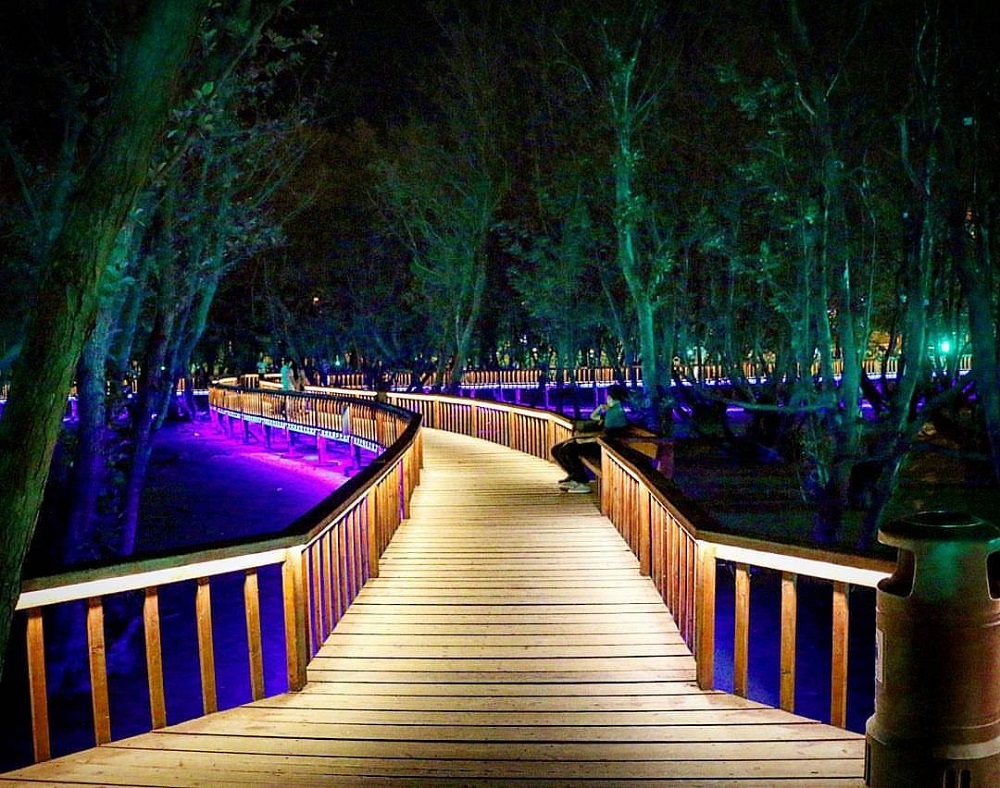
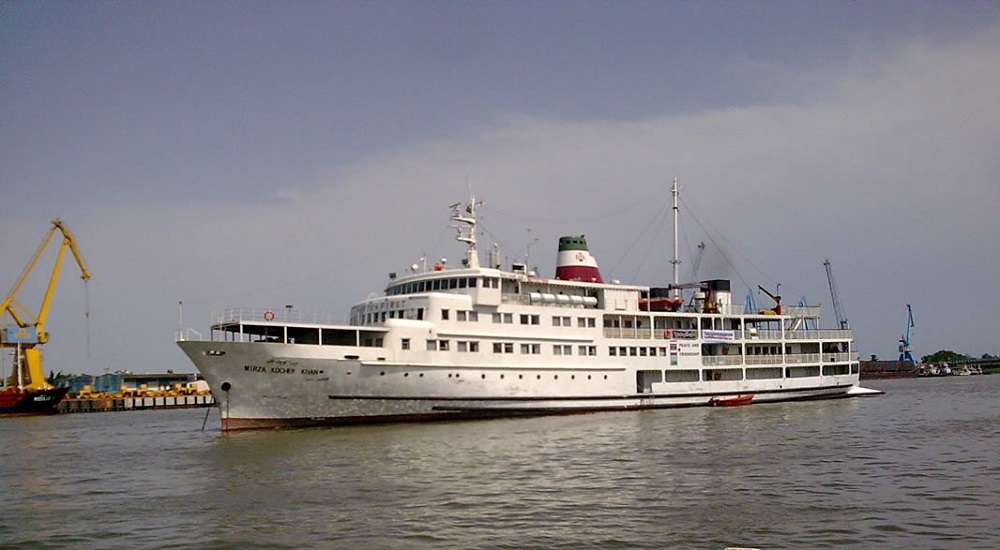
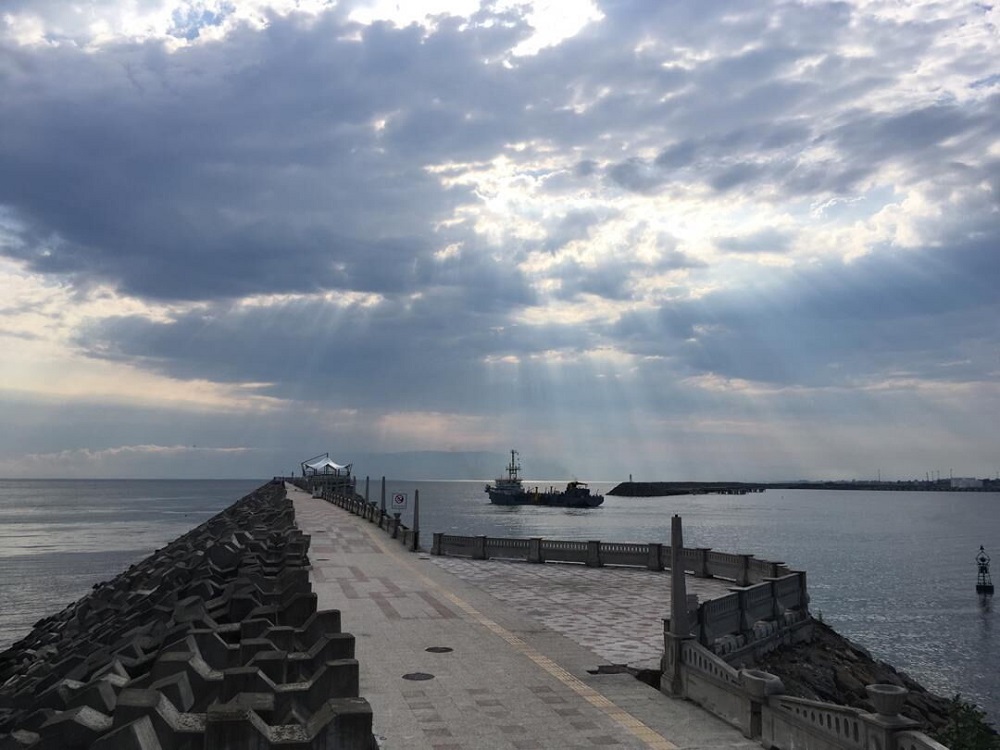

Les attractions touristiques de Bandar-e Anzal sont:
-La lagune.
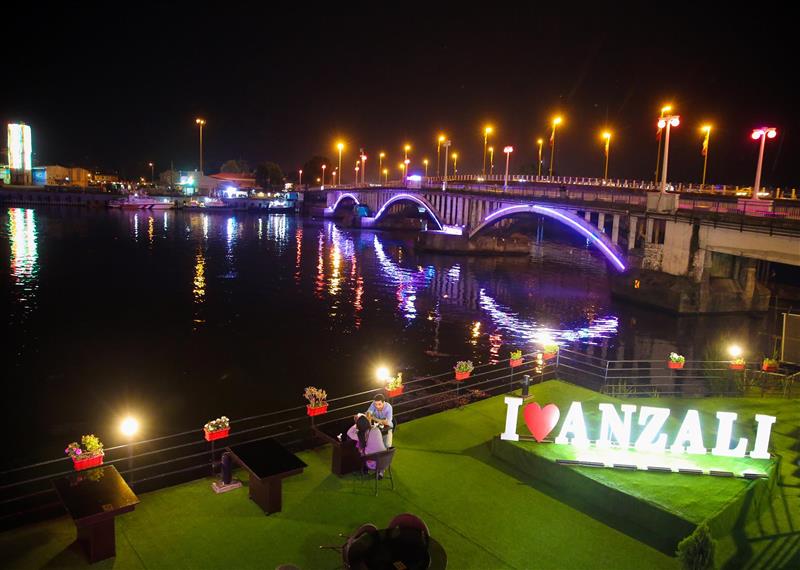
-Le pont de la rivière.
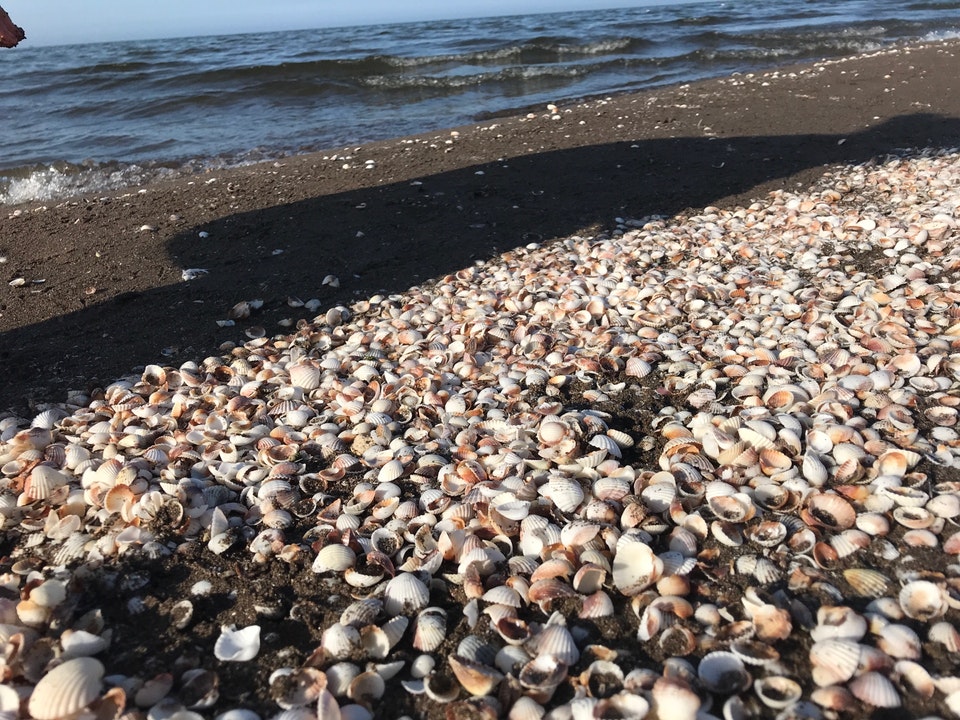
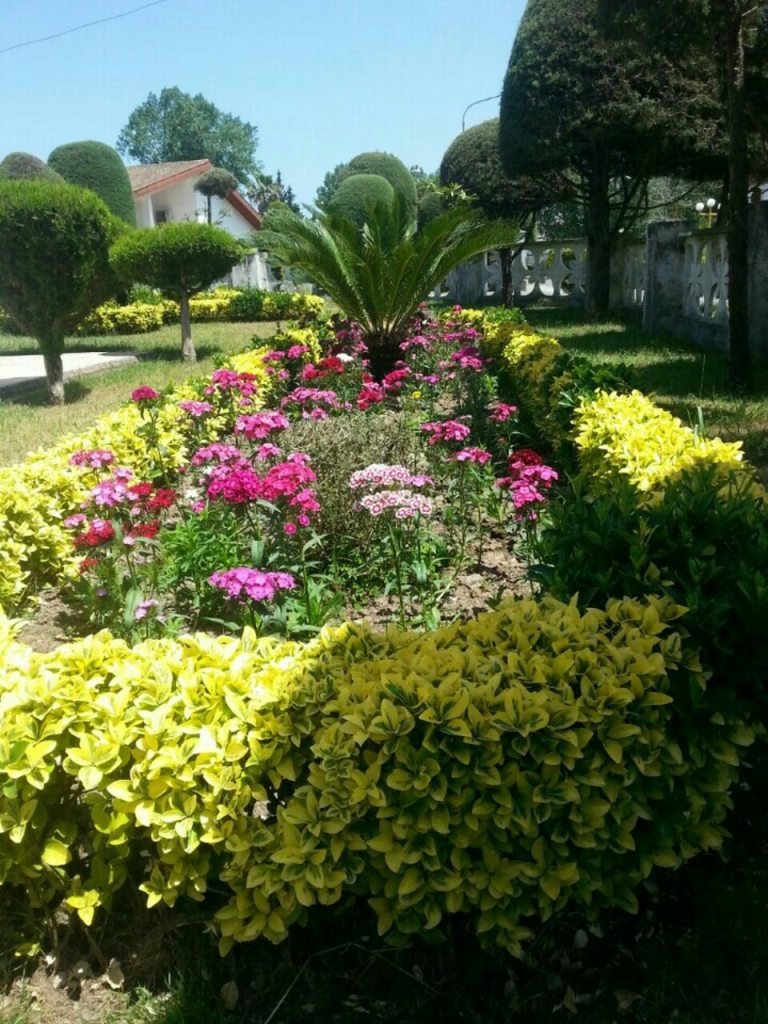
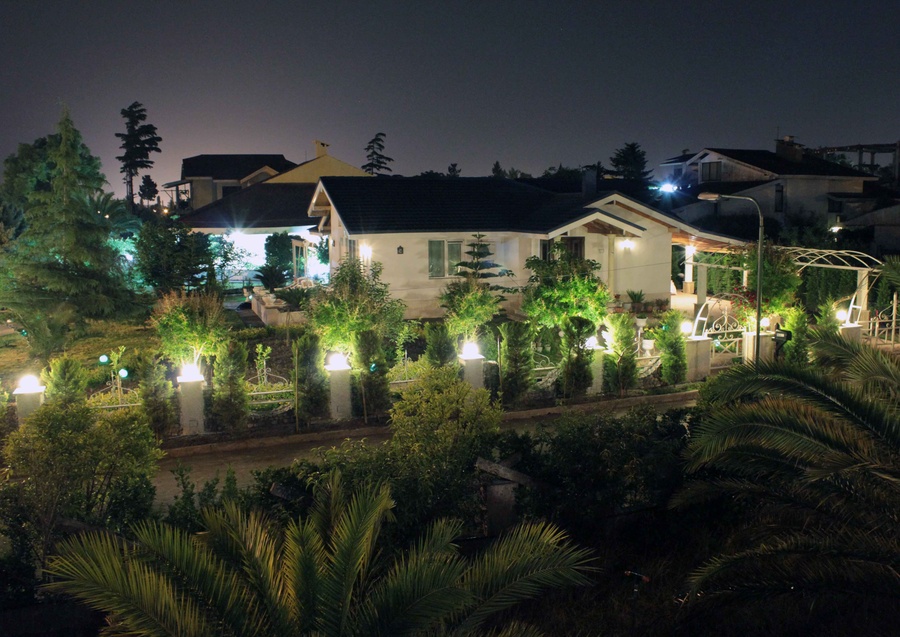
-Les villages côtiers avec des plages, dont il y a des villas de tous genres, des moyens aux extrêmement grands. Certaines villas sont mises en locations. Les villages côtiers disposent d’équipements tels que restaurants, magasins, parcs, mosquées, terrains de sport et zones de baignade.
-Zoco, c’est un marché ouvert, qui est le meilleur endroit pour acheter du poisson frais.
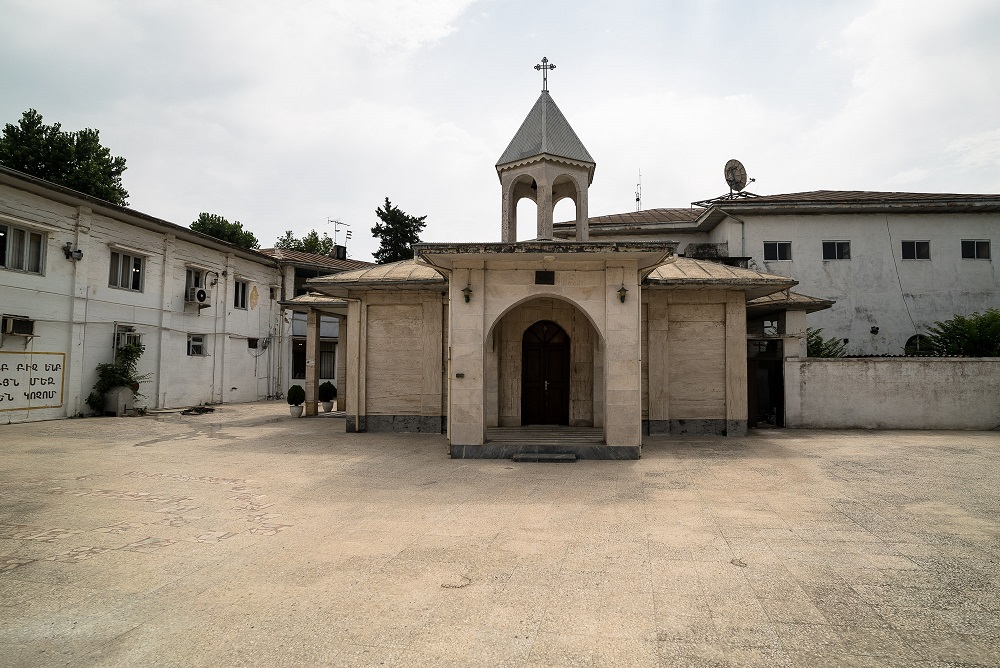
-L’église de la Vierge Marie, la construction de l’église date de l’époque Qajar. Dans le passé, de nombreuses cérémonies religieuses et mystiques de Chrétiens ont eu lieu dans ce lieu.
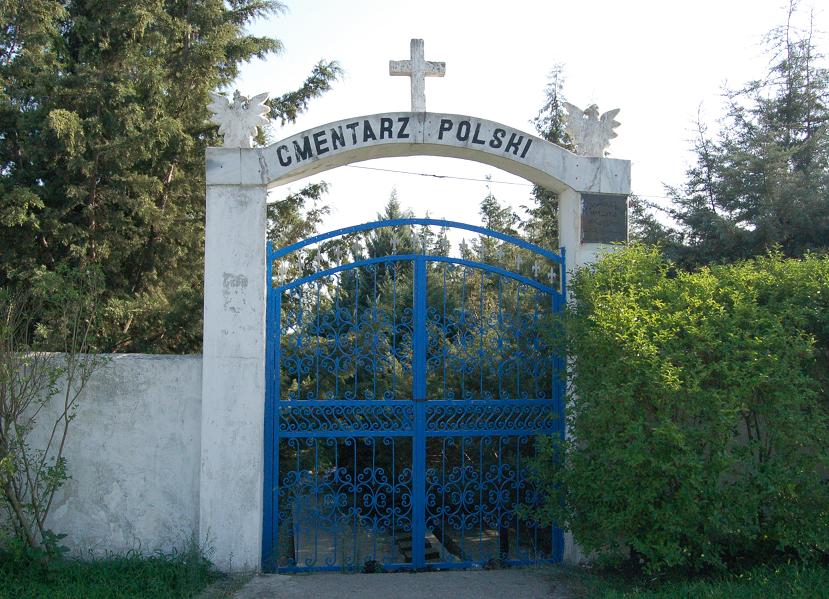
-Cimetière polonais(2), le port voit le débarquement des troupes polonaises du général Anders évacuées d’Union soviétique en mars et août 1942.
-Tour de l’horloge, qui était à l’origine un phare.
-Le musée militaire, qui expose le développement de l’armée iranienne depuis sa création en 1922. Des armes lourdes comme des chars et des canons sont exposées sur la pelouse du musée.
-Hafez, c’est un bâtiment blanc avec une coupole comme celui d’Hafez à Shiraz, utilisé comme un lieu pour des petites expositions de peinture et d’artisanat ainsi que lieu d’attraction touristique.
-Tombe de Seyed Sharaf Shah, qui était un gnostique et poète du 8ème siècle.
-Le hammam Shah, Nasir al-Din Shah, Ahmad Shah et Reza Shah se baignaient dans cette baignoire. Le hammam Shah d’Anzali a été mentionné dans de nombreux livres.
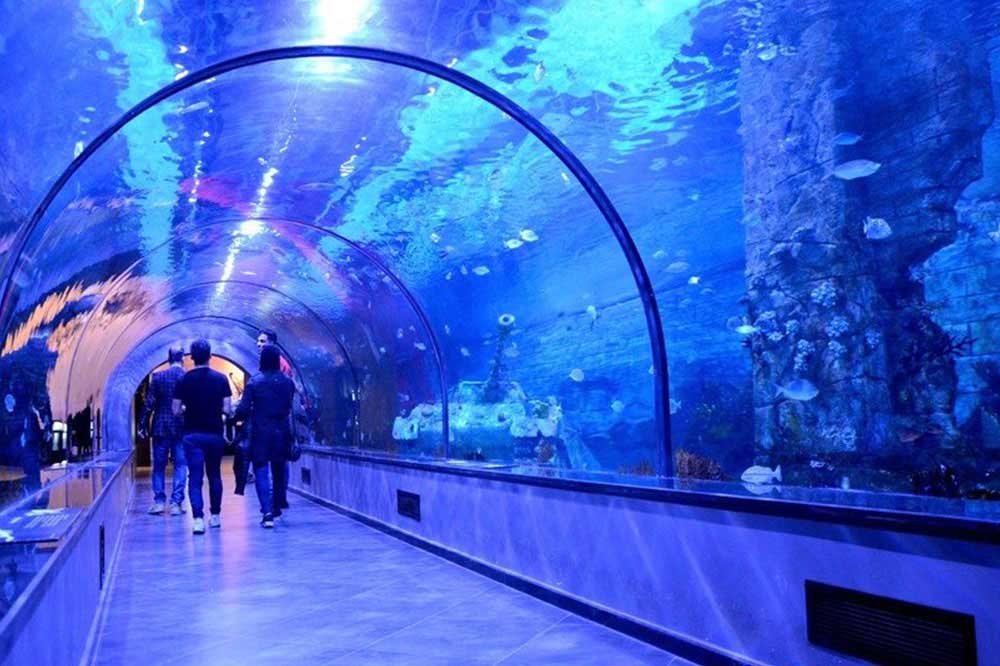
-L’aquarium tunnel en verre de 40 mètres de long. Cet aquarium est le plus grand du pays. Il possède une variété des poissons les plus beaux et les plus rares du monde. À l’étage supérieur du complexe de l’aquarium, vous trouverez un restaurant qui sert un délicieux éventail de plats iraniens et internationaux.
-Bandar Anzali accueille plusieurs clubs sportifs comme le club de football Iran Pro Ligue (IPL). Anzali se classe au premier rang du pays en nombre d’athlètes.
(2)
-Le cimetière des Polonais
http://www.teheran.ir/spip.php?article2231#gsc.tab=0
-Photos: bandar anzali, iran 2022
https://sv.vecteezy.com/foton/22536367-bandar-anzali-iran-2022-skon-fargrik-iranian-hus-langs-vatmarker-flod-i-bandar-anzali-kaspiska-hav-kust-turist-attraktion-norr-iran-gilan-provins
-Photos: bandar anzali, iran
https://dobaresafar.ir/%DA%AF%D8%B1%D8%AF%D8%B4%DA%AF%D8%B1%DB%8C-%D8%A8%D9%86%D8%AF%D8%B1-%D8%A7%D9%86%D8%B2%D9%84%DB%8C-%DA%AF%DB%8C%D9%84%D8%A7%D9%86/
-Photos: bandar anzali, iran
https://lidomatrip.com/blog/%D8%B1%D8%A7%D9%87%D9%86%D9%85%D8%A7%DB%8C-%D8%B3%D9%81%D8%B1-%D8%A8%D9%87-%D8%A8%D9%86%D8%AF%D8%B1-%D8%A7%D9%86%D8%B2%D9%84%DB%8C/
✍ENGLISH
Bandar-e Anzal’s tourist attractions are:
-The lagoon.
-The river bridge.
-Coastal villages with beaches, with villas of all types, from medium to extremely big. Some villas are available for rent. Coastal villages have facilities such as restaurants, stores, parks, mosques, sports fields and swimming areas.
-Zoco is an open market and the best place to buy fresh fish.
-The Church of the Virgin Mary dates back to the Qajar period. In the past, many religious and mystical Christian ceremonies were held here.
-A Polish cemetery(2), the port saw the landing of General Anders’ Polish troops evacuated from the Soviet Union in March and August 1942.
-The clock tower, originally a lighthouse.
-The Military Museum, showcasing the development of the Iranian army since its creation in 1922. Heavy weapons such as tanks and cannons are displayed on the museum’s lawn.
-Hafez, a white building with a dome like that of Hafez Tomb in Shiraz, used as a venue for small painting and craft exhibitions as well as a tourist attraction.
-Tomb of Seyed Sharaf Shah, an 8th-century Gnostic and poet.
-The Shah Hammam, Nasir al-Din Shah, Ahmad Shah and Reza Shah used to bathe in this tub. The Shah hammam in Anzali has been mentioned in many books.
-The 40-metre-long glass tunnel aquarium. This is the largest aquarium in the country. It boasts a variety of the world’s rarest and most beautiful fish. On the upper floor of the aquarium complex, you’ll find a restaurant serving a delicious range of Iranian and international dishes.
-Bandar Anzali is home to several sports clubs, including the Iran Pro League (IPL) soccer club. Anzali ranks first in the country in terms of the number of athletes.
(2)
-Forgotten Chapter of History Buried in Polish Graves in Iran
http://www.blindowl.org/Polish.html
-Polish Cemetery in Bandar-e Anzali
https://en.wikipedia.org/wiki/Polish_Cemetery_in_Bandar-e_Anzali
-Photos: bandar anzali, iran , 2022
https://sv.vecteezy.com/foton/22536367-bandar-anzali-iran-2022-skon-fargrik-iranian-hus-langs-vatmarker-flod-i-bandar-anzali-kaspiska-hav-kust-turist-attraktion-norr-iran-gilan-provins
-Photos: bandar anzali, iran
https://dobaresafar.ir/%DA%AF%D8%B1%D8%AF%D8%B4%DA%AF%D8%B1%DB%8C-%D8%A8%D9%86%D8%AF%D8%B1-%D8%A7%D9%86%D8%B2%D9%84%DB%8C-%DA%AF%DB%8C%D9%84%D8%A7%D9%86/
-Photos: bandar anzali, iran
https://lidomatrip.com/blog/%D8%B1%D8%A7%D9%87%D9%86%D9%85%D8%A7%DB%8C-%D8%B3%D9%81%D8%B1-%D8%A8%D9%87-%D8%A8%D9%86%D8%AF%D8%B1-%D8%A7%D9%86%D8%B2%D9%84%DB%8C/
Il y a une vingtaine d’hôtels à Bandar-e Anzali, de deux étoiles à cinq étoiles. Hébergement écotourisme aussi. Ainsi que des appartements petits ou grands et des villas, ou sinon, des chambres d’hôtes dans des résidences privées.
Vous avez un large choix, en voici les quelqu-uns:
-Hôtels Pas Chers A Bandar-e Anzali – Wego
https://tn.wego.com/hotels/iran/bandar-e-anzali
-Location villa et suite à Bendar-e-Anzali (Blog en anglais et persan)
https://sepanja.com/en/search/Bendar-e-%20Anzali
https://www.jajiga.com/s/bandaranzali/pool
✍ENGLISH
There are around twenty hotels in Bandar-e Anzali, ranging from two-star to five-star. Ecotourism accommodation too. As well as small and large apartments and villas, or alternatively, guest rooms in private residences.
You have a wide choice, here are just a few of them: Please see also all links hotels, below, under (MORE COMPREHENSIVE LIST)
-Bandar-e Anzali Hotels Starting From Lowest Price
https://tn.wego.com/en/hotels/iran/bandar-e-anzali
-Villa and suite rental in Bendar-e-Anzali (Blog in English and Persian)
https://sepanja.com/en/search/Bendar-e-%20Anzali
https://www.jajiga.com/s/bandaranzali/pool
LISTE PLUS COMPLÈTE: ✍ENGLISH MORE COMPREHENSIVE LIST:
-Hôtel Arka – Bandar Anzali (Instagram)
https://www.instagram.com/hotelarka.anzali/
-Melorin Hôtel de luxe – Bandar Anzali (Blog en anglais)
https://hotelmelorin.com/en/
-Hôtel Almas – Bandar Anzali (Instagram)
https://www.instagram.com/hotelalmas/
-Hôtel Behesht Talab – Bandar Anzali (Blog en persan)
http://hotelbeheshttalab.com/
-Hôtel Orkideh – Bandar Anzali (Instagram)
https://www.instagram.com/hotel.orkideh/
-Yas Matin Anzali Hôtel (Blog en persan)
https://matinhotels.com/%d9%87%d8%aa%d9%84-%db%8c%d8%a7%d8%b3-%d9%85%d8%aa%db%8c%d9%86-%d8%a7%d9%86%d8%b2%d9%84%db%8c-2/
-Naze Khazar Apartments Hôtel – Bandar Anzali (Blog en persan et anglais)
http://hotelnazekhazar.com/
-Hôtel Sefid Kenar – Bandar Anzali (Blog en persan et anglais)
https://sefidkenar.ir/
-Hôtel Persan – Bandar Anzali (Blog en Persan)
http://www.hotel-persian.ir/
-Appartement Safir Hotel – Bandar Anzali (Blog en Persan)
https://www.safarbazi.com/properties/749
-Hôtel Kadoosan – Bandar Anzali (Instagram)
https://www.instagram.com/kadoosan.hotel/
-Hôtel Dolphin – Bandar Anzali (Blog en Persan)
https://hotel-dolphin.net/
-Hôtel Melal Apartments – Bandar Anzali (Blog en persan et anglais)
https://en.hotelyar.com/hotel/638/Melal-Hotel-apartment-Bandar-Anzali
https://www.instagram.com/hotelmellal90/
-Hôtel Deniz – Bandar Anzali (Blog en persan et anglais)
https://denizhotel.ir/en/
-Hôtel Nemoone Jahangardi – Bandar Anzali (Instagram)
https://www.instagram.com/jahangardi.anzali.hotel/
-Séjour touristique du complexe Zibakenar – Bandar Anzali (Blog en arabe, anglais et allemand)
https://firstbooking.ir/hotel.php?id=9203
-Royal Bloga Apartment Hotel – Bandar Anzali (Blog en arabe, anglais et allemand)
https://firstbooking.ir/hotel.php?id=19813
-Maison d’hébergement (Caspian) – Bandar Anzali (Blog en Persan)
https://www.shab.ir/houses/show/67201
-Location Gilanak Ecotourisme – Bandar Anzali (Instagram)
https://www.instagram.com/eghamatgah_guilanak/
-Hôtel Olympic Anzali (Blog en Persan)
https://www.gilanhotels.org/hotels/view/hotelid/903
https://www.instagram.com/hotel_olympic/
─────
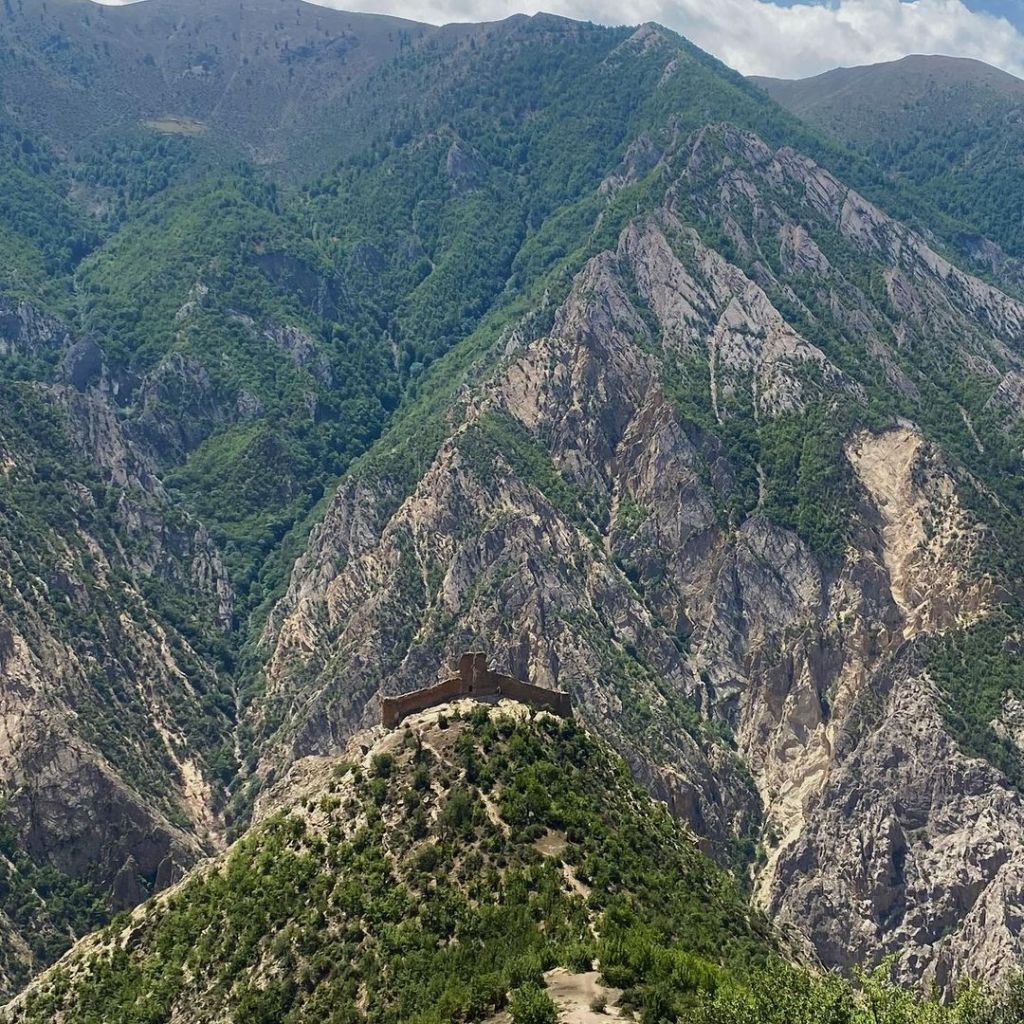
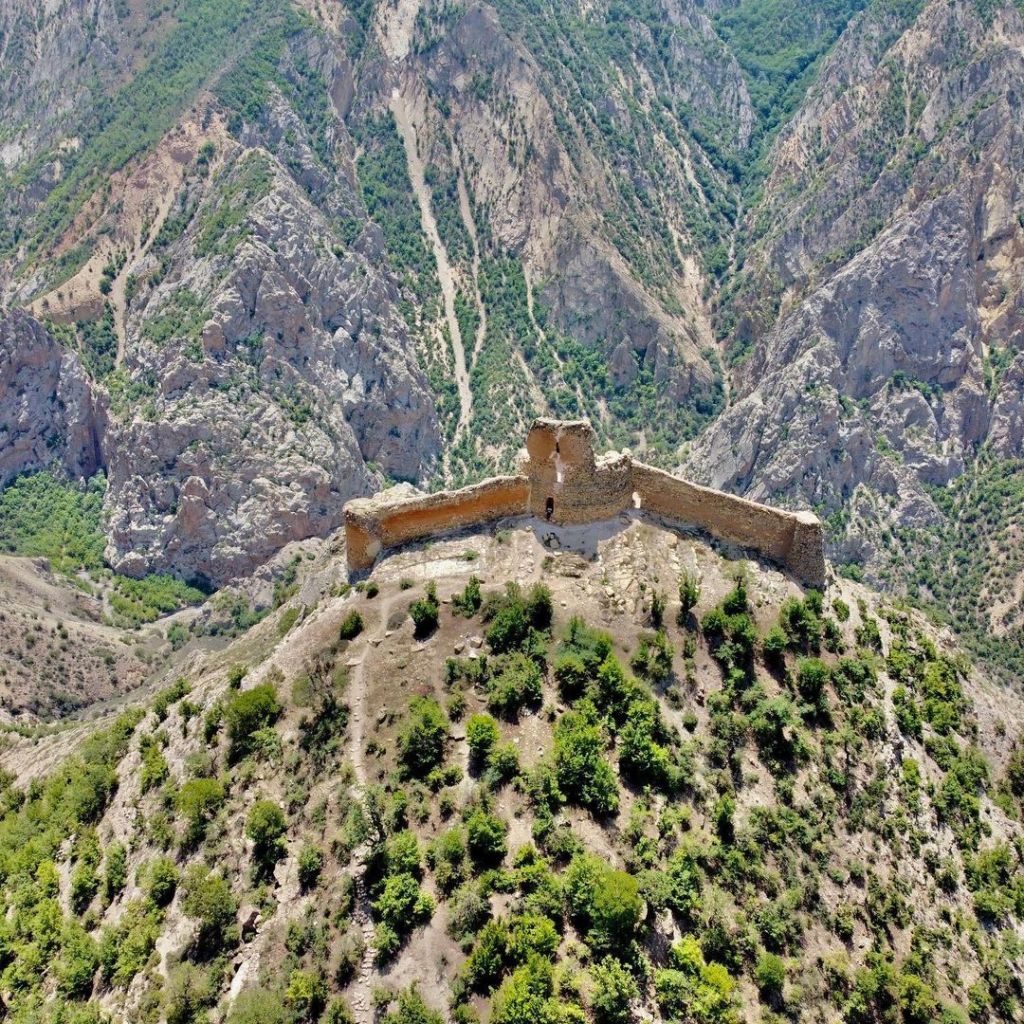
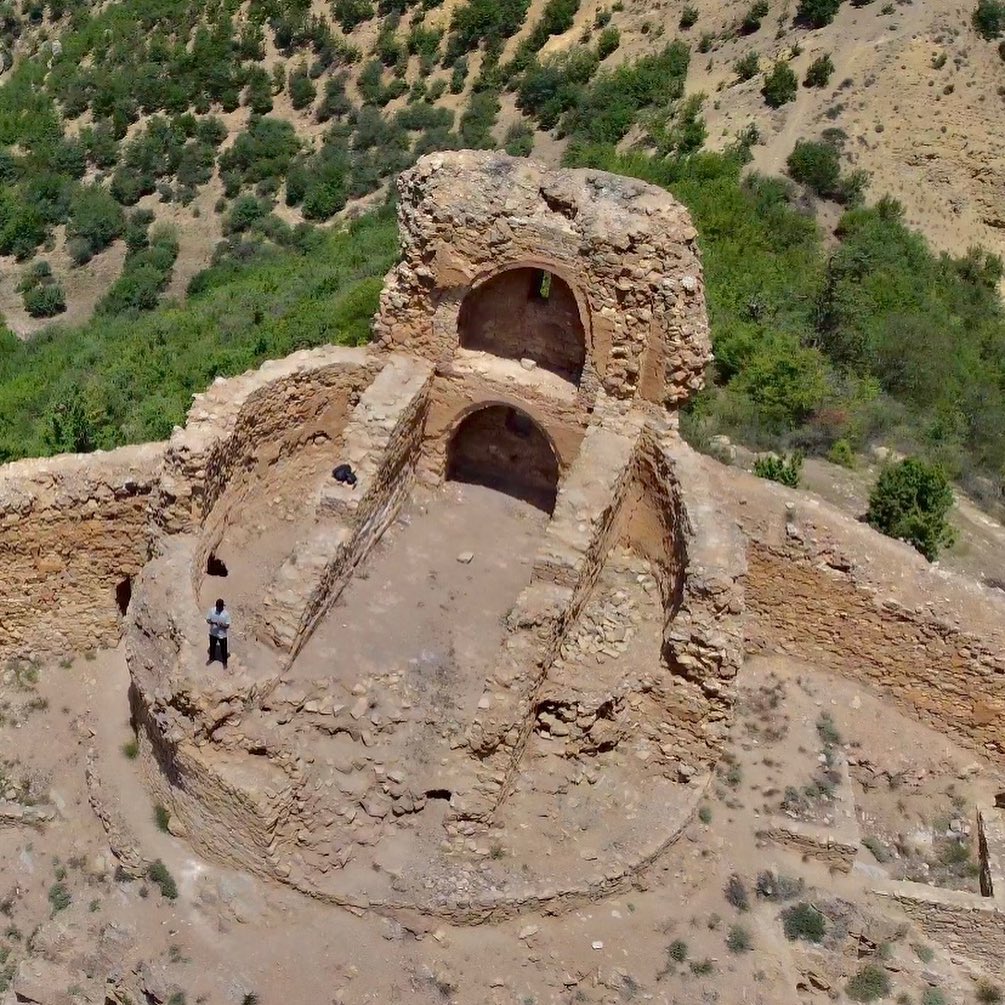
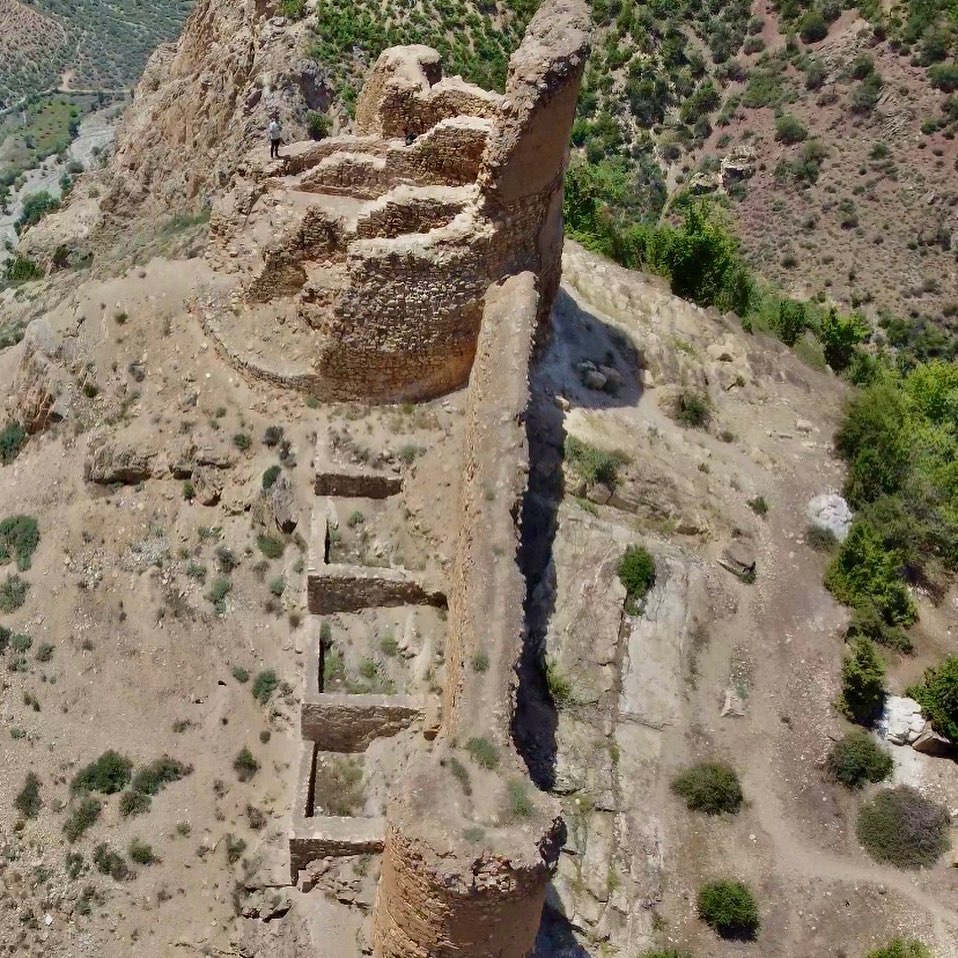
Visiter la forteresse Sassanide Kangloo dans la province Mazandaran à Savadkuh Iran
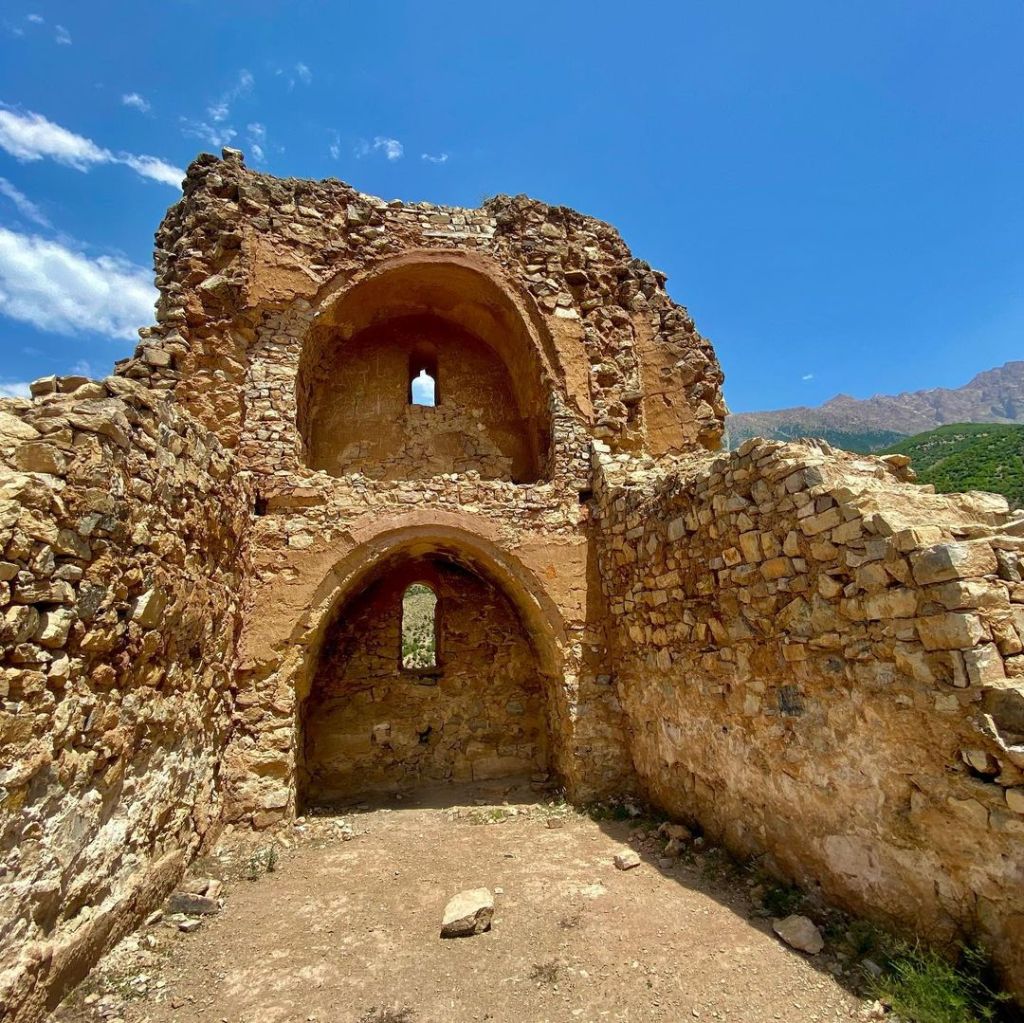
Quand vous visitez la province iranienne Mazandaran ne manquer surtout pas de faire un tour dans le comté de Savadkuh pour visiter les ruines d’une ancienne forteresse de l’Empire Iranien Sassanide (224–651 après J.-C). La forteresse est inscrite sur la liste des monuments nationaux de l’Iran.
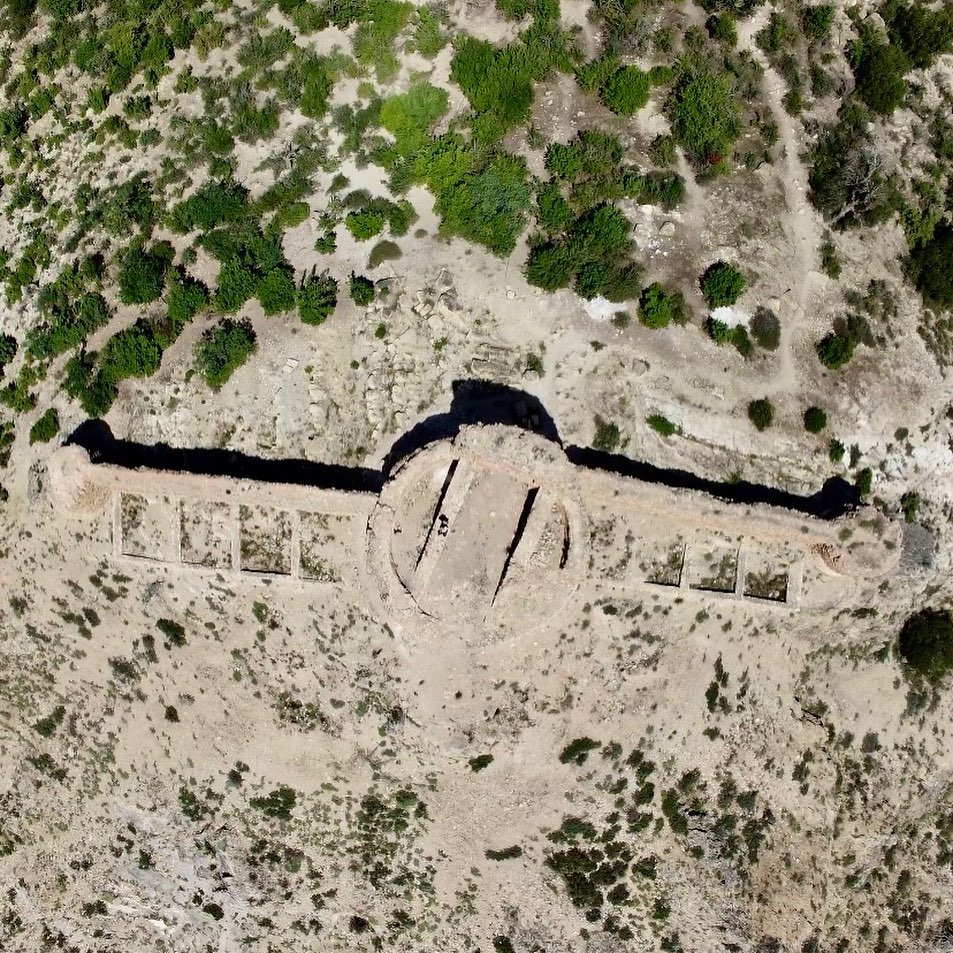
Construite sur un sommet vertigineux cette forteresse(1) nommée Kangloo (du même nom du village Kangloo) est aussi connue sous le nom d’Aigle de Mazandaran, parce que vu du ciel sa construction ressemble à un aigle.
Les principaux matériaux utilisés en ce temp ancient pour la construction de cette forteresse sont: Pierre à charpente avec mortier de chaux et graviers.
L’extérieur du château se compose d’une immense forteresse en pierre avec des tours de guet au milieu et sur les côtés. Et l’intérieur du château était circulaire et construit sur deux étages, dont la plupart des structures ont été détruites aux files du temps.
Selon les anciens récits, la forteresse était principalement un bastion militaire et selon les trouvailles archéologiques il y avait aussi un temple dédié au Dieu Soleil Mithra.
La religion dominante de l’Empire Sassanide(2) était le Zoroastrisme mais plusieurs autres cultes iraniens et non iraniens se pratiquaient aussi. Et la pratique du culte iranien du Dieu Soleil Mithra(3) était courante pendant des siècles dans les divers empires iraniens/persans.
L’influence culturelle Sassanide s’étendait bien au-delà des frontières de l’empire pour atteindre l’Occident de l’Ouest, l’Afrique, la Chine et l’Inde, et joua un rôle important dans la formation de l’art médiéval asiatique et occidentale.
Pour les touristes étrangers, il est important d’avoir un guide local, qui pourra vous y conduire avec une voiture tout-terrain et qui pourra aussi vous guider à prendre des chemins adéquats pendant votre visite dans les montagnes puisque pour atteindre la forteresse vous devrez marcher en pante raide et escalader un peu, il vous faut donc des chaussures appropriées et être habillé confortablement pour de la marche. Et assurez-vous d’avoir dans votre sac à dos assez d’eau à boire et de quoi grignoter.
Le temps dans ses hauteurs montagneuses peut être imprévisible, raison de plus d’avoir un guide local qui connaît bien les lieux et dont vous serez en sécurité.
À suivre, (Liste de ce que vous pouvez visiter dans le comité de Savadkuh)
Photos&Videos: Instagram @jocale.nature
(1)
-Map: Château de Kangelo
https://mapcarta.com/fr/N5222645297
(2)
-Les Sassanides règnent sur le Grand Iran de 224 jusqu’à l’invasion musulmane des Arabes en 651. Cette période constitue un âge d’or pour la région tant sur le plan artistique que politique et religieux.
Leur influence culturelle s’étendait bien au-delà des frontières de l’empire pour atteindre l’Europe de l’Ouest, l’Afrique, la Chine et l’Inde, et joua un rôle dans la formation de l’art médiéval européen et asiatique.
Cette influence se perçoit aussi dès l’apparition du monde islamique et lors de la conquête de l’Iran par les musulmans. La culture aristocratique et unique de la dynastie en est la preuve.
http://www.utb-chalon.fr/media/files/Documents_conferenciers/Richard/Sassanides.pdf
(3)
-Mithra est le dieu perse du soleil levant, des contrats, des pactes et de l’amitié. Il supervisait également le changement ordonné des saisons, maintenait l’ordre cosmique et était responsable de l’octroi de la grâce divine aux rois, légitimant ainsi leur règne. En tant que protecteur des fidèles, il était également invoqué par les guerriers avant la bataille et devint ainsi un dieu de la guerre.
https://www.worldhistory.org/trans/fr/1-10029/mithra/
✍ENGLISH
Visit the Sassanid Kangloo fortress in the Mazandaran province in Savadkuh Iran
When visiting the Iranian province of Mazandaran, don’t miss a trip to Savadkuh county to visit the ruins of an ancient fortress from the Iranian Sassanid Empire (224-651 AD). The fortress is listed as a national monument of Iran.
Built on a vertiginous summit, this fortress(1) named Kangloo (after the village of Kangloo) is also known as the Eagle of Mazandaran, because from the air its construction looks like an eagle.
The main materials used in ancient times to build this fortress are: Framing stone with lime mortar and gravel.
The exterior of the castle consists of a huge stone fortress with watchtowers in the middle and on the sides. The interior of the castle was circular and built on two floors, most of which have been destroyed over time.
According to ancient accounts, the fortress was primarily a military stronghold, and according to archaeological finds there was also a temple dedicated to the Sun God Mithra.
The dominant religion of the Sassanid(2) Empire was Zoroastrianism, but several other Iranian and non-Iranian cults were also practiced. And the Iranian cult of the Sun God Mithra(3) was common practice for centuries in the various Iranian/Persian empires.
Sassanid cultural influence extended far beyond the empire’s borders to the West, Africa, China and India, and played an important role in shaping medieval Asian and Western art.
For foreign tourists, it’s important to have a local guide who can take you there in an off-road car, and who can also guide you along suitable paths during your visit to the mountains, since to reach the fortress you’ll have to walk steeply and climb a bit, so you’ll need appropriate footwear and be dressed comfortably for walking. And make sure you have enough water and snacks in your rucksack.
The weather in these mountainous heights can be unpredictable, another reason to have a local guide who knows well the area and will keep you safe.
To follow, (List of what you can visit in Savadkuh county)
Photos&Videos: Instagram @jocale.nature
(1)
-Map: Kangelo Castle
https://mapcarta.com/N5222645297
(2)
-The Sassanid era is considered to be one of Iran’s most important and influential historical periods.
In many ways the Sassanid period witnessed the highest achievement of Persian civilization, constituting the last great Iranian Empire before the Muslim conquest.
Persia influenced Roman civilization considerably during the Sassanids’ times, and the Romans reserved for the Sassanid Persians alone the status of equals.
https://www.newworldencyclopedia.org/entry/Sassanid_Empire
(3)
-Mithraism’s Ancient Origins
Of ancient Indo-Iranian origin, Mithraism was centered in present-day Iran, the epicenter of the Persian Empire. Significantly predating Western historiography, Zoroastrian Mithras was first recorded (in the West) by early Greeks such as Herodotus and Xenophon.
https://www.thecollector.com/mithraism-secretive-cult-ancient-rome/
─────
─────
(✍ENGLISH below the French text)
Iran Visiter les Bakhtiari
Sachez qu’il est tout à fait possible de visiter les Bakhtiari et même de participer à la leur vie nomade pendant quelques jours si vous le souhaitez.
Connaître toute l’histoire des Bakhtiari avec des photos, vidéos et textes, ici: https://iranpersiavoyage.com/2024/02/21/iran-bakhtiari/
-Iran Nomad Tours
Voyage immersif pendant la transhumance d’une famille nomade
Reportage vidéo de 4 minutes et reportage photo
https://www.linkaproduction.com/irannomadtour
https://nomad.tours/
https://www.instagram.com/iranomadtours/
https://www.facebook.com/IranNomadTours/
https://in.linkedin.com/company/persia-authentic-nomad-tours
http://www.youtube.com/@IRANomad
For emails: info@nomad.tours
-Migration with Bakhtiari Nomads | Kooch | Nomadic lifestyle
https://www.youtube.com/watch?v=thvlLwu5Msc
-Iran | Chahar Mahal va Bakhtiari | Mountains & Valleys
https://www.youtube.com/watch?v=M3odvG6s5-Y
-Les Derniers Nomades d’Iran – Documentaires Complet – AMP
Dans les montagnes du Zagros, au centre de l’Iran, les Bakhtiaris comptent parmi les derniers grands nomades de la planète. C’est un peuple fier de bergers qui continuent à pratiquer un estivage long, épuisant et spectaculaire. Ils restent fidèles à des siècles de traditions ainsi qu’à un mode de vie qui remonte au plus profond de la Perse ancienne. Ces vallées immenses encadrées de montagnes et de glaciers dévoilent une tout autre face de l’Iran.
Réalisé par Eric Bacos
-Iran : L’ Instituteur Des Monts Zagros | SLICE PEUPLES l DOC COMPLET
Dans les monts Zagros, au sud-ouest de l’Iran, un instituteur accompagne une famille de bergers nomades bakthyaris dans leur transhumance de printemps. Pendant trois semaines, il marche à leurs côtés et, le soir venu, fait la classe aux enfants. Sa mission : leur transmettre une éducation élémentaire, indispensable pour trouver un travail en ville où ils espèrent s’installer.
Documentaire : NOMADES D’IRAN, L’INSTITUTEUR DES MONTS ZAGROS
Réalisation : Louis Meunier
Production : ZED pour ARTE France
(Vidéo avec la traduction automatique)
-Premier jour dans les montagnes : immersion dans la vie nomade avec la tribu Bakhtiari
Rejoignez-nous dans un voyage extraordinaire alors que nous vivons le premier jour de la vie dans les montagnes avec la célèbre tribu Bakhtiari.
Dans cette vidéo captivante, assistez à la transition impressionnante alors que nous adoptons le mode de vie nomade au milieu des paysages de montagne majestueux. Plongez dans la richesse de la culture, des traditions et de la résilience de la tribu Bakhtiari alors que nous entamons ce nouveau chapitre. Découvrez les routines quotidiennes, les rituels et le sens de la communauté qui définissent notre existence nomade. Découvrez la beauté à couper le souffle de la nature en naviguant sur les terrains accidentés et en établissant notre maison temporaire en harmonie avec l’environnement. Laissez-vous séduire par la chaleur, l’hospitalité et l’unité qui imprègnent la tribu, créant ainsi une expérience inoubliable. Rejoignez-nous alors que nous relevons les défis et embrassons la liberté et la sérénité qu’offrent les montagnes. Ce n’est que le début d’une aventure nomade extraordinaire avec la tribu Bakhtiari.
https://www.youtube.com/watch?v=QdNKVyTSx7w
-Expérience insolite: à la rencontre des Bakhtiaris, derniers nomades d’Iran
Les Bakhtiaris, tribu nomade composée de plusieurs familles, se déplacent toujours dans les montagnes du Zagros, en Iran, au rythme des migrations qu’ils effectuent deux fois par an (printemps et automne) avec leurs troupeaux de chèvres et moutons.
Leur mode de vie est aujourd’hui en grand danger: les décisions politiques, la précarité et les difficultés poussent de plus en plus de nomades à se sédentariser. Saba nous explique qu’une des pistes envisagées pour aider économiquement ces nomades est le développement d’un éco-tourisme. Au-delà du côté financier (qui ne doit pas remplacer la première source de revenus de ces nomades, à savoir l’élevage), nous comprenons que l’intérêt des touristes porté aux Bakhtiaris et leurs traditions permettrait à ceux-ci de leur redonner confiance; de les rendre plus fiers, plus enclins à perpétrer ce mode de vie si particulier… Malgré notre réticence à se faire offrir un tour contre de la publicité pour son agence, ses arguments en faveur d’un tourisme éthique et responsable semblent sincères… Nous finissons par accepter le deal proposé (après tout, l’expérience mérite d’être tentée!): réaliser un reportage photo et vidéo sur les Bakhtiaris, en échange d’un tour organisé de 5 jours.
Jour J, « à l’aventure! »
https://www.serialhikers.com/bakhtiaris-nomades/
-(Lien en anglais)
Les enfants du Zagros
Dans la partie sud de l’Iran, dans les districts de Chaharmahal et de Bakhtiyari (en persan : Ostān-e Chahār-Mahār-o Bakhtiyārī), vit une communauté très spéciale et peu connue. Ils comptaient autrefois plus de 500 000 et des millions d’animaux, mais aujourd’hui, il y a environ 200 000 personnes qui vivent encore l’ancien mode de vie avec leur bétail.
Ce sont les Bakhtiyari – les nomades de l’Iran.
https://www.thetravelclub.org/articles/travelogues/732-children-of-the-zagros
✍ENGLISH
Iran Visit the Bakhtiari
Know that it’s possible to visit the Bakhtiari and even to take part in their nomadic life for a few days if you wish.
To know the whole history of the Bakhtiari with photos, videos and texts, here: https://iranpersiavoyage.com/2024/02/21/iran-bakhtiari-history/
https://nomad.tours/
https://www.instagram.com/iranomadtours/
https://www.facebook.com/IranNomadTours/
https://in.linkedin.com/company/persia-authentic-nomad-tours
http://www.youtube.com/@IRANomad
For emails: info@nomad.tours
-Migration with Bakhtiari Nomads | Kooch | Nomadic lifestyle
https://www.youtube.com/watch?v=thvlLwu5Msc
-Iran | Chahar Mahal va Bakhtiari | Mountains & Valleys
https://www.youtube.com/watch?v=M3odvG6s5-Y
-First Day in the Mountains: Immersing in Nomad Life with the Bakhtiari Tribe
Join us on an extraordinary journey as we experience the first day of life in the mountains with the renowned Bakhtiari Tribe. In this captivating video, witness the awe-inspiring transition as we embrace the nomadic lifestyle amidst the majestic mountain landscapes. Immerse yourself in the rich culture, traditions, and resilience of the Bakhtiari Tribe as we embark on this new chapter. Discover the daily routines, rituals, and sense of community that define our nomadic existence. Experience the breathtaking beauty of nature as we navigate the rugged terrains and establish our temporary home in harmony with the surroundings. Be captivated by the warmth, hospitality, and unity that permeate through the tribe, creating an unforgettable experience. Join us as we embrace the challenges and embrace the freedom and serenity that the mountains offer. This is just the beginning of an extraordinary nomadic adventure with the Bakhtiari Tribe.
-Unusual experience: meet the Bakhtiaris, last nomads from Iran
The Bakhtiaris, a nomadic tribe of several families, still roam the mountains of Zagros, Iran, as they migrate twice a year (spring and autumn) with their flocks of goats and sheep.
Their way of life is today in great danger: political decisions, precariousness and difficulties push more and more nomads to settle down. Saba explains to us that one of the possibilities considered to help these nomads economically is the development of eco-tourism. Beyond the financial side (which should not replace the first source of income of these nomads, namely farming), we understand that the interest of the tourists brought to Bakhtiaris and their traditions would allow them to give them back trust; to make them more proud, more inclined to perpetuate this particular way of life… Despite our reluctance to be offered a tour against advertising for his agency, his arguments in favor of ethical and responsible tourism seem sincere… We end up accepting the proposed deal (after all, the experience is worth trying!): Make a photo and video report on the Bakhtiaris, in exchange for a tour organized 5 days.
D-day, “to the adventure!”
https://www.serialhikers.com/bakhtiaris-nomads/
-Children of the Zagros
In the southern part of Iran, in Chaharmahal and Bakhtiyari districts (Persian: Ostān-e Chahār-Mahāl-o Bakhtiyārī), lives a very special and little known community of people. They used to count over 500,000 and millions of animals – but nowadays there is about 200,000 people that still live the ancient way of life together with their livestock.
They are the Bakhtiyari people – the nomads of Iran.
https://www.thetravelclub.org/articles/travelogues/732-children-of-the-zagros
─────
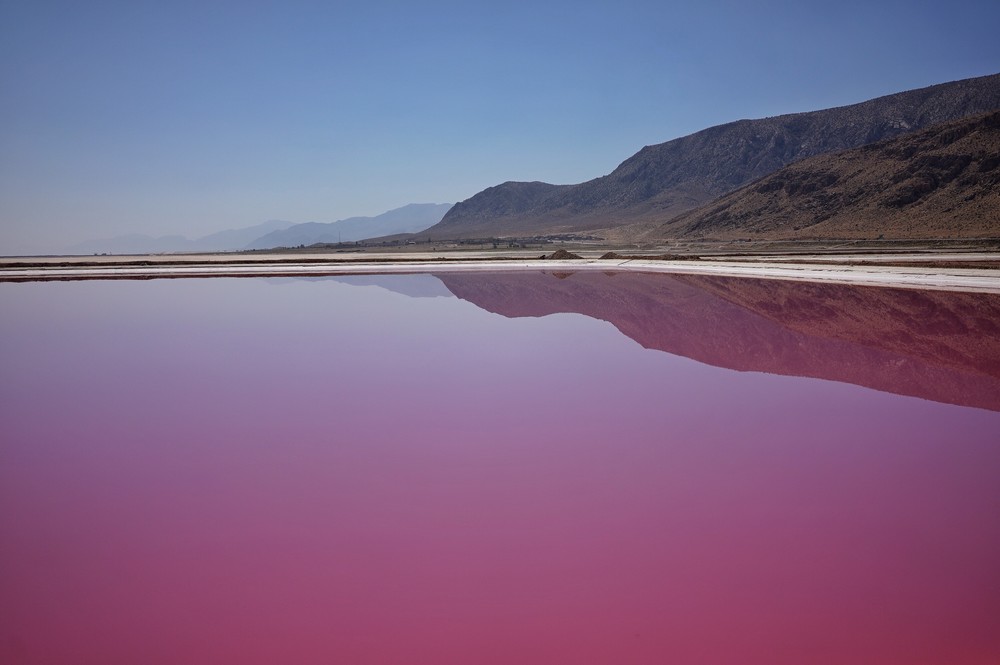
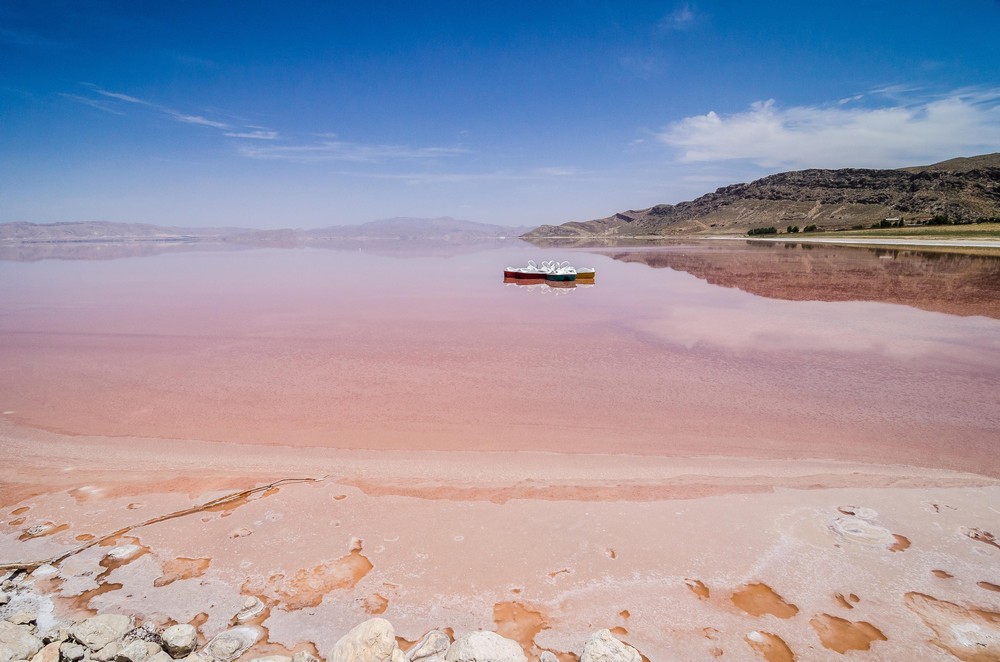
Le lac salé de couleur rosâtre Maharloo au sud-est de Chiraz, Iran.
L’eau comprend une variété d’organismes affichant des couleurs allant du rose à l’orange au rouge, la force de la couleur variant selon les périodes de l’année. Généralement, plus le lac est profond, plus les couleurs de l’eau sont sombres.
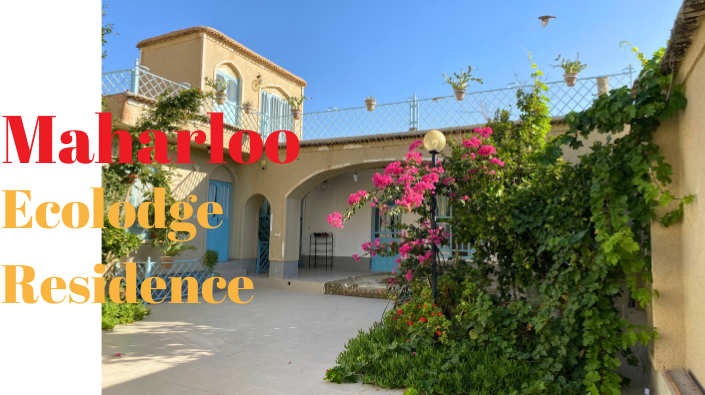
C’est un lieu que vous pouvez visiter lors de votre passage à Chiraz et non loin du lac il y a un charmant éco-lodge, dont vous pouvez manger, loger, ou juste passé un moment pour vous reposer avec un bon thé.
Photos:
Lac Maharloo
https://visitworldheritage.com/en/eu/maharloo-lake/bc888620-3307-4c46-9208-138cf926124b
L’écolodge Maharloo
https://www.maharlooecolodge.com/en/
-Lac Maharloo
Visiter le lac Maharloo au milieu de l’été et préparez-vous à découvrir le phénomène unique qui transforme ce lac ordinaire en un spectacle rose.
Visiter ce lac au bon moment de l’année et vous aurez une bonne surprise. Le lac Maharloo est un lac saisonnier situé à une trentaine de kilomètres de Shiraz. Comme il s’agit d’un lac saisonnier, il est important de planifier à l’avance votre visite, car à certaines périodes de l’année, le lac a complètement disparu, laissant derrière lui un désert de sel. Les visiteurs voyageant au milieu de l’été pourront voir le lac dans toute sa splendeur avec ses tons roses indescriptibles.
Le meilleur moment pour visiter cette attraction est de juillet à septembre, cependant, cette attraction dépend fortement des conditions météorologiques qui peuvent être imprévisibles et incontrôlables.
https://visitworldheritage.com/en/eu/maharloo-lake/bc888620-3307-4c46-9208-138cf926124b
-18E CONCOURS ANNUEL DE PHOTOS DU SMITHSONIAN MAGAZINE NATURAL World
Lac Maharloo / 04.2019
https://photocontest.smithsonianmag.com/photocontest/detail/maharloo-lake/
(Lien en anglais)
-Évadez-vous dans l’ambiance tranquille de Maharlo Village, votre escapade sereine à Maharlo Village Ecolodge Residence !
L’écolodge Maharlu, c’est comme tomber sur un joyau caché dans le village de Maharlu, à seulement 30 kilomètres de route pittoresque de Shiraz à Sarvistan, blotti à côté du lac magique Maharlu, qui porte le surnom de lac salé ou lac rose.
Préparez-vous à passer un agréable séjour dans des chambres au charme rustique, parfaites pour les aventuriers, avec des salles de bains iraniennes et occidentales chics à l’extérieur des chambres.
Vous avez envie de saveurs locales et d’exploration ? Vous pouvez pimenter votre séjour en ajoutant de délicieux repas et des visites locales passionnantes à votre réservation.
https://www.maharlooecolodge.com/en/
https://www.instagram.com/maharlooecolodge/
https://www.facebook.com/maharlooecolodge
✍ENGLISH
The pinkish Maharloo salt lake in southeast of Shiraz, Iran.
The water includes a variety of organisms displaying colors ranging from pink to orange to red, with the strength of the color varying according to the time of year.
It’s a place you can visit while you’re in Shiraz and not far from the lake there’s a charming ecolodge, where you can eat, lodge, or just spend some time relaxing with a delicious cup of tea.
Photos:
Maharloo Lake
https://visitworldheritage.com/en/eu/maharloo-lake/bc888620-3307-4c46-9208-138cf926124b
Maharlu ecolodge
https://www.maharlooecolodge.com/en/
-Maharloo Lake
Visit Maharloo Lake during mid-summer and be prepared to experience the unique phenomenon that turns this regular lake into a pink spectacle.
Visit this lake at the right time of the year and you will have a glad surprise. The Maharloo Lake is a seasonal lake located about thirty kilometres from Shiraz. Being a seasonal lake it is important to plan ahead of your visit as during some parts of the year the lake is completely gone, leaving behind a salt desert. Visitors travelling during mid-summer will be able to see the lake at its full glory with its indescribably gorgeous pink tones.
The best time to visit this attraction is from July through September, however, this attraction is highly dependent on weather conditions that can be unpredictable and uncontrollable.
https://visitworldheritage.com/en/eu/maharloo-lake/bc888620-3307-4c46-9208-138cf926124b
-18TH ANNUAL SMITHSONIAN MAGAZINE PHOTO CONTEST Natural World
Maharloo Lake / 04.2019
https://photocontest.smithsonianmag.com/photocontest/detail/maharloo-lake/
-Escape to the tranquil vibes of Maharlo Village, your serene getaway at Maharlo Village Ecolodge Residence!
Maharlu ecolodge is like stumbling upon a hidden gem in Maharlu village, just a scenic 30-kilometer drive from Shiraz to Sarvistan, snuggled next to the magical Maharlu Lake, which goes by the nickname of salt lake or pink lake.
Get ready for a nice stay in rooms styled with a rustic charm, perfect for adventurers, complete with chic Iranian and Western bathrooms outside the rooms.
Hungry for some local flavors and itching for exploration? You can spice up your stay by adding delicious meals and exciting local tours to your reservation.
https://www.maharlooecolodge.com/en/
https://www.instagram.com/maharlooecolodge/
https://www.facebook.com/maharlooecolodge
─────
 Iran Persia Voyage