Iran, the incredible story of the nomadic shepherds of the Bakhtiari.
(Story composed by IranPersiaVoyage with the references that you will find throughout the stories)
TOPICS
-Documentaries
-To understand who are the Bakhtiari
-Iran Lur-Bakhtiari habitat
-Origin of the Bakhtiari (People of the Bible?)
-Traditional Bakhtiari Clothing
-Bakhtiari Wedding
-Ancient Bakhtiari Practices
-Iran Visit the Bakhtiari
-To know more about the Bakhtiari
*
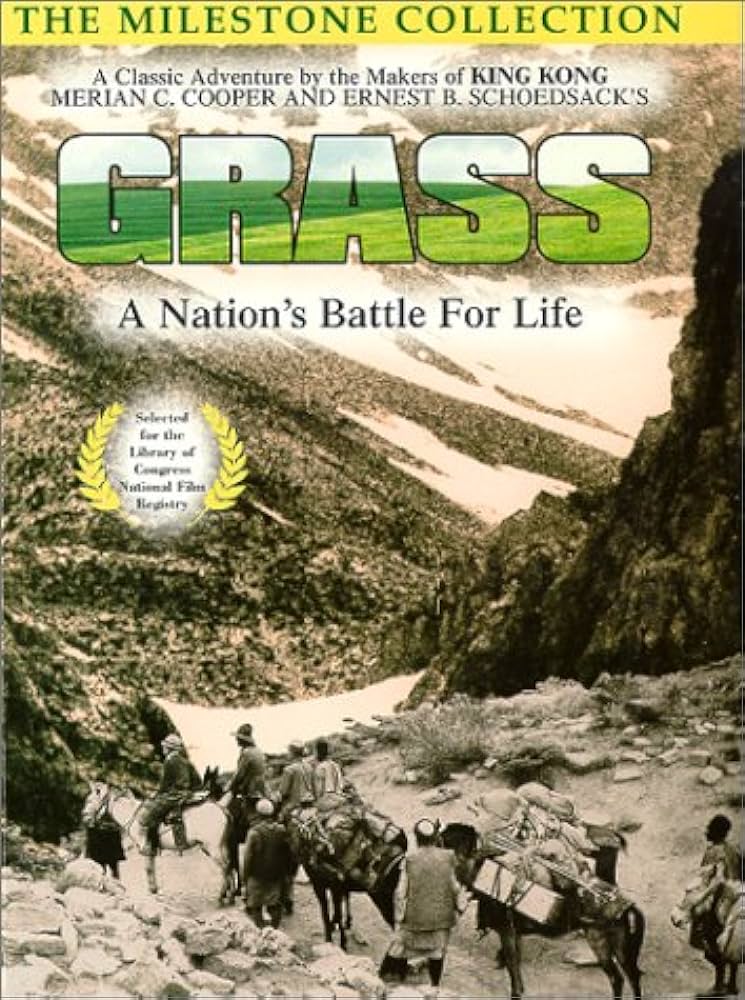
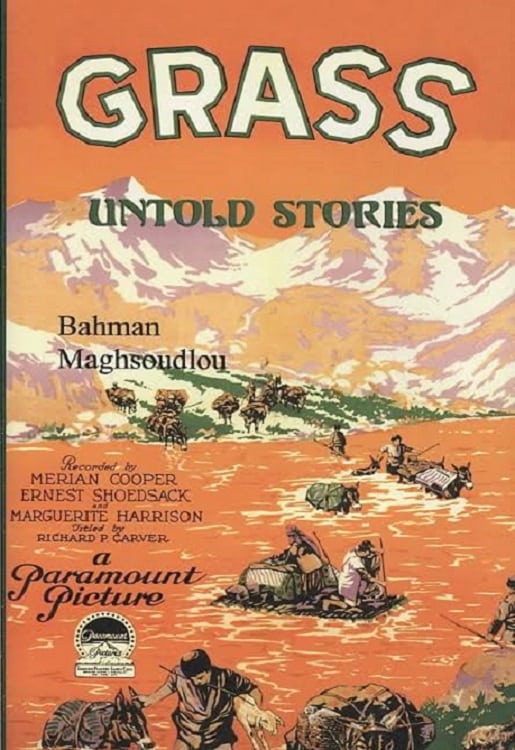
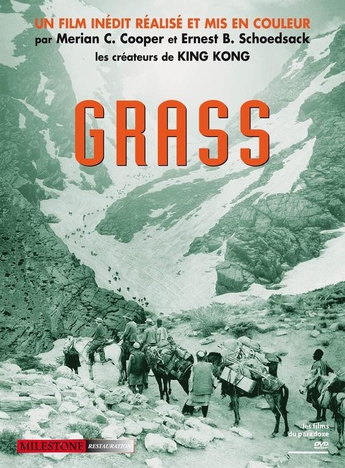
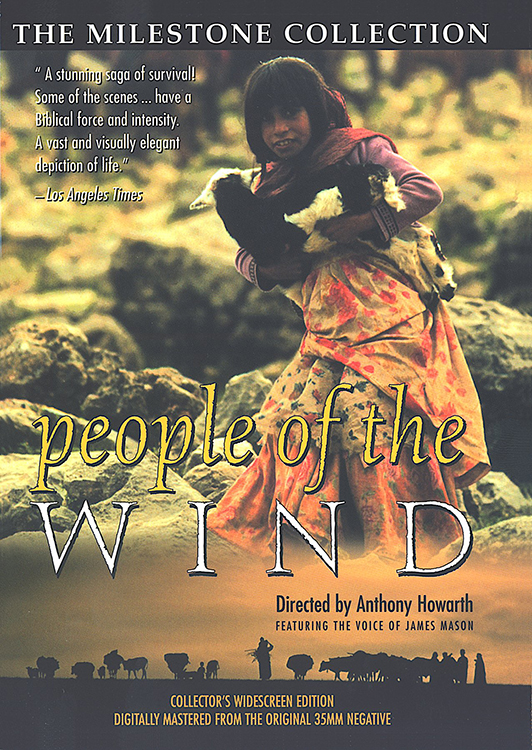
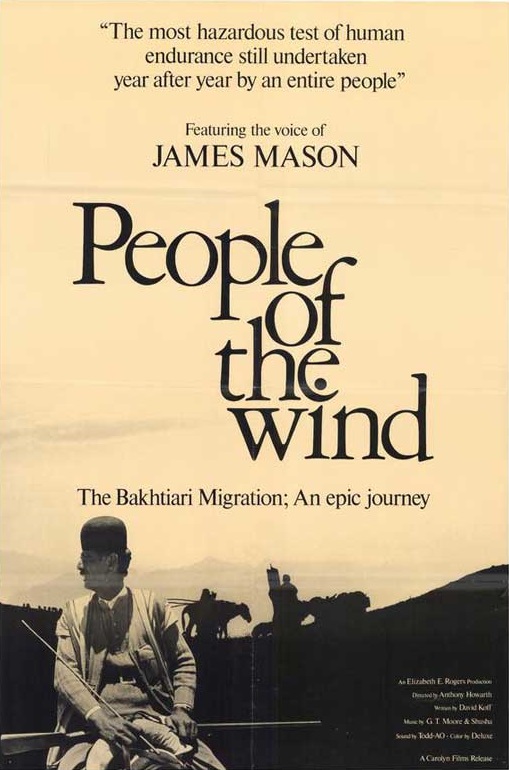

Here’s the fascinating history of the Iranian « Bakhtiari » tribe. Several documentaries are dedicated to them, but two of them are exceptional and historic.
The famous documentary (Grass: The Battle for the Life of a Nation), made in 1925, tells the story of the Bakhtiari migration from the winter pastures of the Iranian province of Khuzestan to the summer pastures of the Iranian province of Chaharmahal. The film also tells the story of how these people drove 125,000 animals across the Karun River in Iran.
According to some accounts, the river Karun corresponds to the Biblical river Gihon, mentioned in the second chapter of the book of Genesis (along with the Tigris, Euphrates and Pishon) coming out of the Garden of Eden, which branched off from a single river in the garden.
The Karun River is Iran’s largest and most water-rich river, which divides the city of Ahvaz into two halves, one to the east and the other to the west. The river is around 900 km long and flows through the provinces of Chaharmahal and Bakhtiari, as well as the province of Khuzestan.
The Karun River is listed as a natural heritage site in Iran.
And the documentary (People of the Wind), made in 1976, retraces the same journey fifty years later.
⚠️IMPORTANT these two documentaries, on the other hand, may offend people’s sensibilities⚠️
Seeing humans and animals traveling so many miles in unstable weather, having to cross rivers in cold water, having to climb mountains and all that, is hard to watch.
There is also an Iranian documentary named « Bazgasht-e Dobare » which means (Return) produced by the Iranian director Farhad Varharam.
It tells the story of several generations of the Bakhtiari tribe and their return to their ancestral lands. This film is a kind of return to the film “Grass”. Varharam made also the documentary “Taraz” on the same subject.
https://www.tiwall.com/news/cinematheque.akhbar14
There are also documentaries about the Bakhtiari which are less offended to watch, which you can find under (Iran Visit the Bakhtiari).
Photos:
Grass-Nation’s Battle For Life-1
https://milestonefilms.com/products/grass-a-nations-battle-for-survival
Grass-Nation’s Battle For Life-2
https://milestonefilms.com/products/grass-a-nations-battle-for-survival
Grass-Nation’s Battle For Life-3
https://en.wikipedia.org/wiki/Grass_(1925_film)
People of the Wind-1
https://milestonefilms.com/products/people-of-the-wind
People of the Wind-2
https://www.imdb.com/title/tt0075052/
Bazgasht-e Dobare (Return)
https://www.tiwall.com/news/cinematheque.akhbar14
*
But before you see these two documentaries, you may be interested in going back in history to understand who are the Bakhtiari.
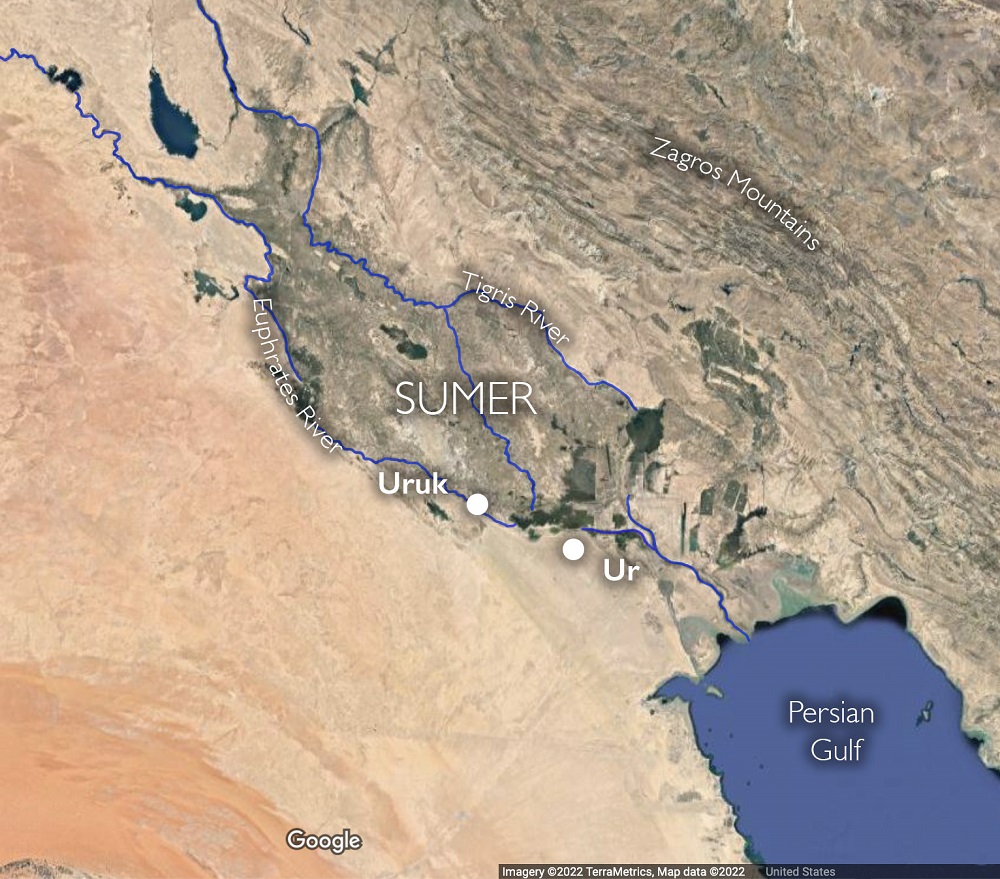
The difficulties in tracing the Bakhtiari’s antiquity are due to the fact that natives were already living on the plains of Mount Zargros more than 40,000 years ago, and also because throughout history the tribe has changed its name.
Thus, it’s a region that was inhabited even before the existence of any names we know today.
And precisely, the Bakhtiari have inhabited the Mount Zagros region since the dawn of time. And thanks to archaeological discoveries in Mount Zagros, we can trace the history of an indigenous people from around 10,000 years ago, with virtually the same practices that the Bakhtiari have consistently practised for over 3,000 years.
In Iran the Mount Zagros is full of treasures, of which there are still lots to be discovered. So far, the discovery of petroglyphs dating from 40,000 to 4,000 years ago engraved on rocks in Mount Zagros proves the continuity of human presence in this region right up to the present day. (The last petroglyphs, dating back 4,000 years, came to a halt with the emergence of cuneiform writing).
The Bakhtiari have been nomadic shepherds for thousands of years, and from generation to generation the Bakhtiari move their livestock twice a year (between April and May) on foot and on the backs of animals (donkeys, mules, horses), having to cross the mountain passes of Mount Zagros at an altitude of over 3,000 meters, thus switching from wintering to summering, a distance of two hundred kilometers in eight weeks.
The modern idea of the quiet life of a shepherd living high up in the alpine pastures is far from the Bakhtiari way of life.
Indeed, the nomadic shepherd life that the Bakhtiari continue to practice is extremely difficult and cruel, with little room for emotions; it’s all about surviving in difficult conditions.
In the old days, people and animals used to die while moving with their livestock from winter to estival grounds. Nowadays, fortunately, it’s rarer for people to die there, but the animals are still put to the test like in the past.
And these two documentaries, unedited and unfiltered, show the harshness of life and the human courage it takes during the Bakhtiari’s grazing trips. Cited in both documentaries as « one of the most dangerous tests of human endurance ».
And to see humans and animals travelling so many miles in unstable weather, having to cross rivers in cold water, climbing mountains and all that, is hard to watch.
Another interesting aspect, these two documentaries give a realistic idea of what life was like for nomadic shepherds in the past during the floods in this region, and of the process of how animals were domesticated in the Iranian Mount of Zagros over 10,000 years ago.
The fact that nomadic shepherds began moving from plains to plains with their herds of animals led to the invention of animal domestication.
-The initial domestication of goats (Capra hircus) in the Zagros mountains 10,000 years ago
https://pubmed.ncbi.nlm.nih.gov/10731145/#:~:text=Initial%20goat%20domestication%20is%20documented,be%20computed%20for%20archaeofaunal%20assemblages.
*
Seeing humans and animals traveling so many miles in unstable weather, having to cross rivers in cold water, having to climb mountains and all that, is hard to watch.
THIS IS A SHORT VERSION OF THE FEATURE.
Grass: A Nation’s Battle for Life 1925 Bakhtiari tribe of Persia
Grass: A Nation’s Battle for Life (1925) is a silent documentary film which follows a branch of the Bakhtiari tribe of Persia (today Iran) as they and their herds make their seasonal journey to better pastures. It is considered one of the earliest ethnographic documentary films. It was written by Richard Carver and Terry Ramsaye.
1925 ETHNOGRAPHIC DOCUMENTARY FILM » GRASS » MIGRATION OF BAKHTIARI TRIBE OF PERSIA / IRAN, by PeriscopeFilm
Dating to 1925, this silent film « Grass: A Nation’s Battle for Life » is one of the earliest ethnographic documentary films ever made. This version runs 57 minutes. The film was also released in a slightly longer version of over 70 minutes by Paramount, and in digest form from Kodak as part of its Kodascope Library.
The film follows members of the Bakhtiari, a sub-tribe of the Lurs, in Persia — modern-day Iran — as they and their herds make their seasonal journey to better pastures. The film was directed and filmed by Merian C. Cooper and Ernest Schoedsack, with financing provided by Marguerite Elton Harrison and Cooper’s family. The journey was the first ever undertaken by Westerners with the Bakhtiari. The first part of « Grass » documents the ancient caravan route from Angora (modern Ankara, Turkey) to the Bakhtiari lands in Persia (western Iran in Chaharmahal and Bakhtiari Province and the eastern part of Khuzestan).
It then shows leader Haidar Khan as he leads 50,000 of his people and countless animals on a harrowing trek across the Karun River and over Zard Kuh, the highest peak in the Zagros Mountains.
The film was made at a critical juncture, as just 20 years later, this type of migration was being made with trucks and by train, instead of on foot. Also, the position of the tribe changed greatly in the years after the film was made. Reza Shah Pahlavi (r. 1925–1941) made the destruction of the Bakhtiari influence in Persia part of his mission, in part due to the existence of oil on Bakhtiari territory A few tribal leaders were executed by Pahlavi in order to crush Bakhtiari autonomy.
The documentary preceded and influenced another, more famous film made by Cooper and Schoedsack, namely King Kong (1933). Grass was distributed by Paramount Pictures and shown publicly in New York on March 30, 1925.
Marguerite Elton Harrison (1879–1967) was an American reporter, spy, film maker, and translator who was one of the four founding members of the Society of Woman Geographers. Merian Caldwell Cooper (1893 – 1973) was an American aviator, United States Air Force and Polish Air Force officer, adventurer, screenwriter, film director, and producer. He was member of the Explorers Club, and is credited as co-inventor of the Cinerama film projection process. Cooper’s most famous film was the 1933 movie King Kong.
This film is part of the Periscope Film LLC archive, one of the largest historic military, transportation, and aviation stock footage collections in the USA. Entirely film backed, this material is available for licensing in 24p HD, 2k and 4k. For more information visit http://www.PeriscopeFilm.com
https://archive.org/details/xd-13934-grass-feature-version-mos-vwr
-AMERICAN FILM INSTITUTE
GRASS: A NATION’S BATTLE FOR LIFE (1925)
According to modern film historians, Grass and Nanook of the North were the two most significant documentaries of the silent era, created before there were any prescribed standards for the genre, and therefore became the model for later documentaries. According to AmCin, Cooper wanted to produce a remake of Grass in Technicolor. In 1956, he sent a crew to Iran, funded by C. V. Whitney Productions, but that project was never completed.
Fifty years later after the release of Grass: A Nation’s Battle for Life, Anthony Howarth and David Koff revisited the Bakhtiari tribe and made the 1976 documentary People of the Wind, which was narrated by British actor James Mason and nominated for an Academy Award for Best Documentary.
https://catalog.afi.com/Catalog/moviedetails/9475
-A classic adventure by the makers of King Kong. In 1924, neophyte filmmakers Merian C. Cooper and Ernest B. Schoedsack hooked up with journalist and sometime spy Marguerite Harrison and set off to film an adventure. They found excitement, danger and unparalleled drama in the migration of the Bakhtiari tribe of Persia (now Iran). Twice a year, more than 50,000 people and half a million animals surmounted seemingly impossible obstacles to take their herds to pasture.
The filmmakers captured unforgettable images of courage and determination as the Bakhtiari braved the raging and icy waters of the half-mile-wide Karun River. Cooper and Schoedsack almost froze when they filmed the breathtaking, almost unbelievable, sight of an endless river of men, women and children–their feet bare or wrapped in rags — winding up the side of the sheer, snow-covered rock face of the 15,000-foot-high Zardeh Kuh mountain.
Although many documentary historians consider « Grass » second only to « Nanook of the North, » few people have actually ever seen this legendary film. This restored and full-length version, complete with an authentic new Iranian score, will astonish today’s audiences with its beautiful photography and heart-stopping adventure.
https://milestonefilms.com/products/grass-a-nations-battle-for-survival
-In the Memory of David H. M. Brooks: Grass: A Nation’s Battle for Life (1925)
https://www.academia.edu/1621661/In_the_Memory_of_David_H_M_Brooks_Grass_A_Nations_Battle_for_Life_1925_
*
Seeing humans and animals traveling so many miles in unstable weather, having to cross rivers in cold water, having to climb mountains and all that, is hard to watch.
A SHORT VERSION
People of the Wind Trailer
An Academy Award® and Golden Globe nominee for Best Documentary, People of the Wind’s astonishing widescreen photography and brilliantly recorded soundtrack take the viewer out onto the dangerous precipices of the Zardeh Kuh mountain and into the icy waters of the Cholbar river. The film is an amazing, breathtaking document of the most unbelievable migration on earth.
There are two hundred miles of raging rivers and impassable mountains to cross. There are no towns, no roads, no bridges. There is no turning back.
The Bakhtiari migration is one of the most hazardous tests of human endurance known to mankind. Every year, 500,000 men, women and children — along with one million animals — struggle for eight grueling weeks to scale the massive Zagros Mountains — a range which is as high as the Alps and as broad as Switzerland — to reach their summer pastures.
Trailer edited by Faith Blackinton. http://www.milestonefilms.com
The full documentary (People of the wind) can be seen in a Persian blog, the video is in English.
PEOPLE OF THE WIND
https://www.aparat.com/v/6QAIX
PEOPLE OF THE WIND
An Academy Award® and Golden Globe nominee for Best Documentary, People of the Wind’s astonishing widescreen photography and brilliantly recorded soundtrack take the viewer out onto the dangerous precipices of the Zardeh Kuh mountain and into the icy waters of the Cholbar river. The film is an amazing, breathtaking document of the most unbelievable migration on earth.
There are two hundred miles of raging rivers and impassable mountains to cross. There are no towns, no roads, no bridges. There is no turning back.
The Bakhtiari migration is one of the most hazardous tests of human endurance known to mankind. Every year, 500,000 men, women and children — along with one million animals — struggle for eight grueling weeks to scale the massive Zagros Mountains — a range which is as high as the Alps and as broad as Switzerland — to reach their summer pastures.
Executive Producer: Elizabeth E. Rogers. Producers: Anthony Howarth and David Koff. Director: Anthony Howarth. Music by G.T. Moore and Shasha Guppy. Featuring the voice of James Mason as the voice of Jafar Qoli, Kalantar (chief) of the Babadi tribe.
https://milestonefilms.com/products/people-of-the-wind
*
Shusha Guppy documentary on the migration of the Bakhtiari tribes in Iran (1972)
https://www.dailymotion.com/video/x15tnw4
*

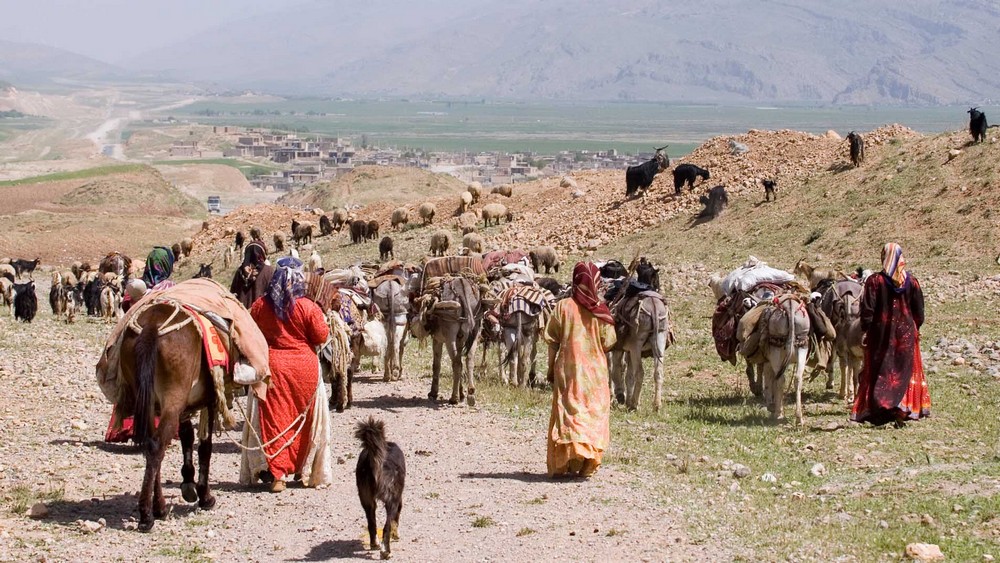


The Bakhtiari are among the Iranian peoples who have the least mixed with foreigners, not only genetically, but also linguistically for long time, (their language is Lori, which was originally an old, archaic Iranian dialect before being assimilated in the course of history with other, more elaborate Iranian dialects to give its current linguistic form).
The Bakhtiari belong to the Iranian Lur family, also a nomadic tribe but now much more sedentary, unlike the Bakhtiari who continue to live a nomadic life.
With an estimated population of around 1,500,000, the Bakhtiari are divided into two branches, the Haft Lang and the Tchahar Lang, themselves subdivided into numerous sub-branches.
The Bakhtiari way of life is patriarchal. The culture of the Bakhtiari is complex, due to the fact that this tribe has existed for thousands of years, they have adapted according to the times while preserving an extremely difficult nomadic life.
Agriculture, almost exclusively rain-fed, is an important source of income for the Bakhtiari. It also enables them to produce their own flour and supply for their livestock with hay and straw in winter.
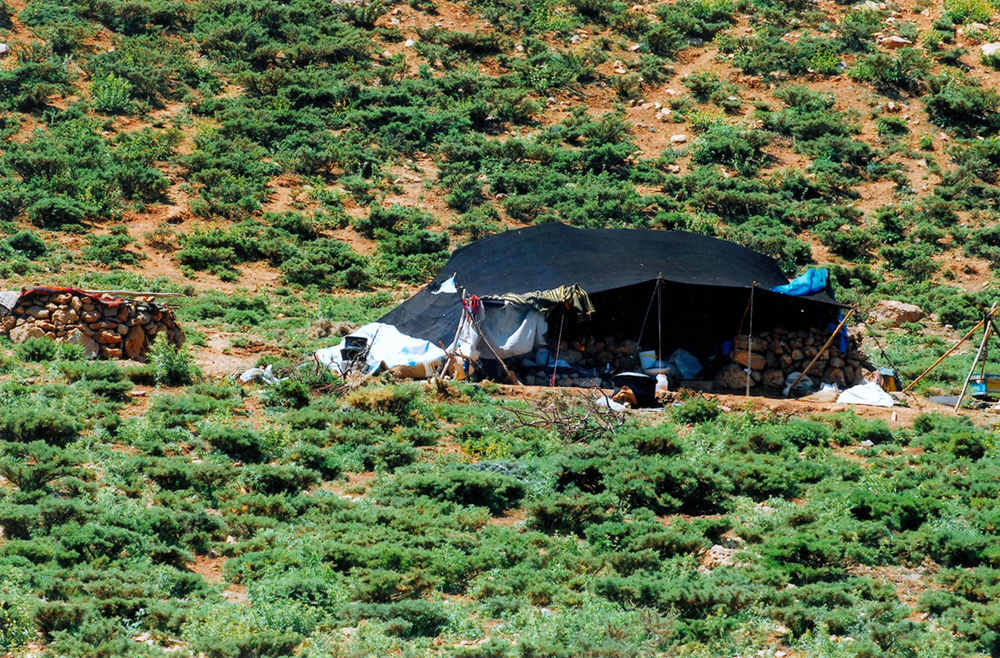
The majority of Bakhtiari nomads use Siah-Chador (giant black tents) as mobile dwellings when they move from one place to another during their seasonal travels.
The black tents are usually woven by women from black goat hair, which doesn’t let water through. And the men are responsible for setting up the tents.
Nomads can produce all the tent components themselves, as it is mainly made from goat hair. Goat hair has the necessary length, strength and resilience.
One of the main features of a black tent is its natural ventilation. When the sun hits the tent’s black roof, warm air begins to rise above the canvas, forcing air to be drawn from inside the tent. This creates a cooling wind effect on hot days. On rainy or snowy days, the fibers absorb water and swell, creating a thicker, tighter tent cover. This provides nomads with dense shade during the day and protection from wind, sand, rain, dust and cold at night.
Usually, families pitch their tents next to each other. This facilitates communication and also leaves enough space for the animals to spend the night near each tent.
The term Bakhtiari means « lucky companion » or « bringer of good fortune ».
The term has deep Persian roots and is the result of the combining of two small words, « baft and yah ». Bakht means « fortune » and « yar, iar, iari » literally means « comrade ».
This designation is linked to the tribe’s perilous grazing movement. In the sense, the Bakhtiari see themselves as a hard-working tribe, facing many obstacles every day, but fortunately able to overcome each of these challenges, and therefore lucky too.
Both the Lurs and the Bakhtiari were known in ancient times as fearsome warriors and horsemen, and the Bakhtiari have earned the reputation of being the best horsemen in Iran.
Furthermore, the Bakhtiari are well known for producing high-quality Persian carpets.
-The Lurs of Iran
The territories presently occupied by the Lurs have been inhabited by man for some 40,000 years (Hole 1978).
Thus far, archaeological investigations in Luristan have unearthed tools and artifacts from the middle paleolithic, upper paleolithic, mesolithic and bronze age.
However, the earliest known people to inhabit the territories presently occupied by the Lurs were the Elamites, who settled in the area as early as 3000 BC.
Later, the Kassites, who are well known for their bronze artifacts, lived in Luristan as early as second millennium BC, while the Elamites continued to hold the rest of their territories.
The Kassites formed a dynasty, conquered Babylonia in 1747 BC and dominated Mesopotamia for 576 years (Ghirshman 1978).
The Elamite and the Kassite dynasties were overtaken by the Indo-Iranians during the first millennium BC. Thus, the ancestors of the Lurs, as a segment of the Persian population, settled in their present territories and dominated the native inhabitants in the later part of the first millennium BC (Cameron 1936).
Unfortunately, little information is available on the history of the Lurs during the Greek (331-192 BC), Parthian (129 BC-AD 226) and Sassanid (AD 226-641) periods.
https://www.culturalsurvival.org/publications/cultural-survival-quarterly/lurs-iran
-Lori Dialects
https://www.iranicaonline.org/articles/lori-dialects
-The Nomad’s Black Tent: A Traditional, Transportable Dwelling
https://nomad.tours/nomads/14237/the-nomads-black-tent-a-traditional-transportable-dwelling/
-Inside Bakhtiari tent
https://collections.peabody.harvard.edu/objects/details/519211
-TENTS in Iran
https://referenceworks.brillonline.com/entries/encyclopaedia-iranica-online/tents-in-iran-COM_9930?s.num=54&s.rows=100
-Bakhtiari Horse
https://www.horsebreedspictures.com/bakhtiari-horse.asp
-ZAGROS follows the creation of carpets across the Western mountains of Iran, the land of Bakhtiaris. Wool is the guiding thread that traverses nomadic and sedentary cultures, revealing the worlds of weavers, dyers and shepherds through their labour. Carpets weave the social fabric of their lives, giving it form as well as colour. The work is hard, and is gradually being devalued by the outside world – but their lives are redeemed through the love they feel for their traditions.
https://f3m.ca/en/film/zagros/
-Antique Persian Bakhtiari Rugs and Carpets
https://beautifulrugs.com/style/bakhtiari/#
-BAKHTIARI/LURI TRIBAL AND VILLAGE RUGS
https://www.bbolour.com/bakhtiariluri
*

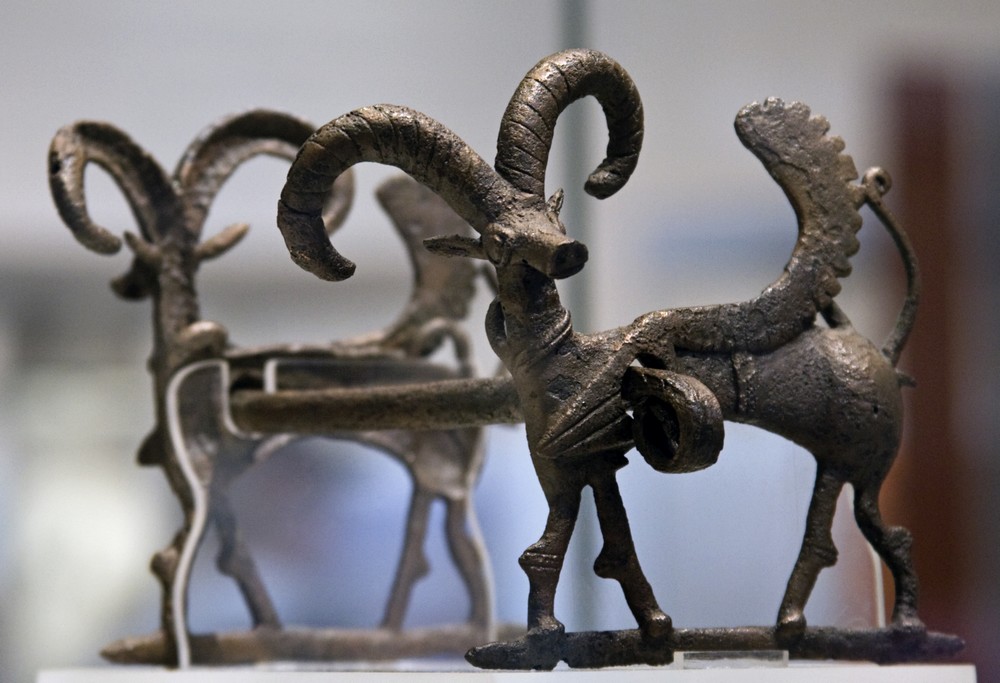
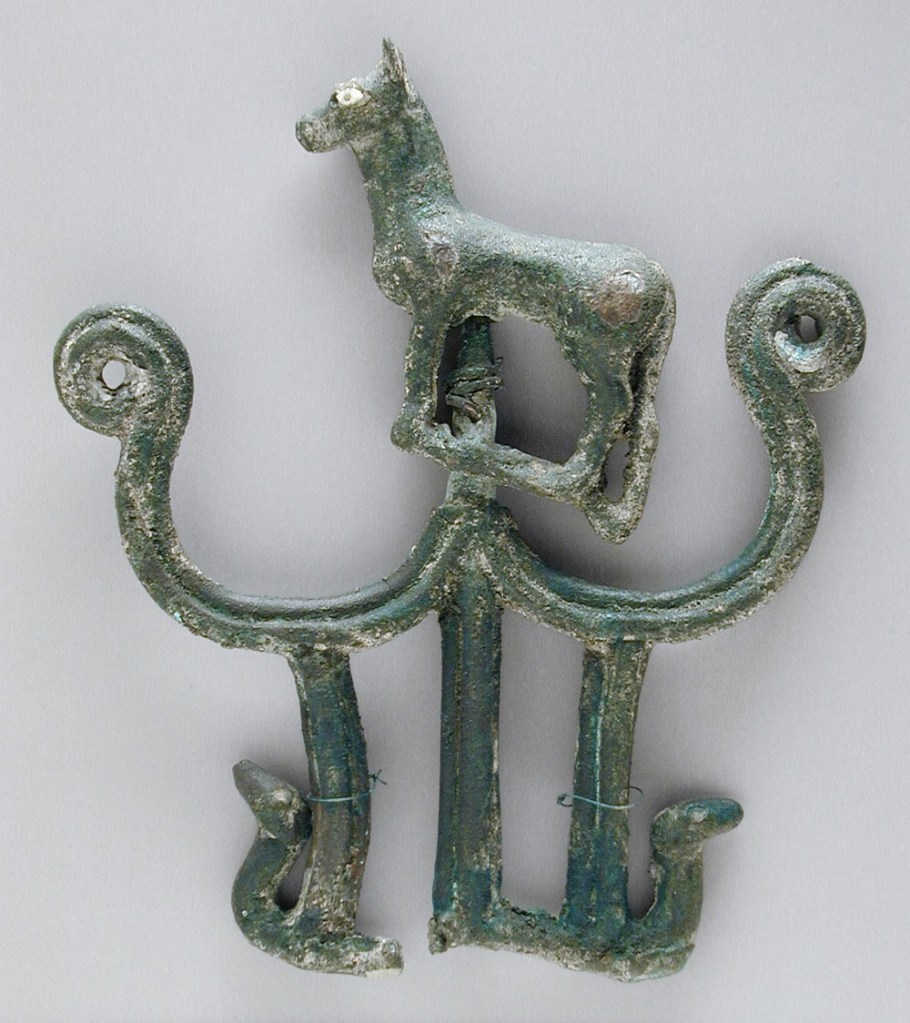


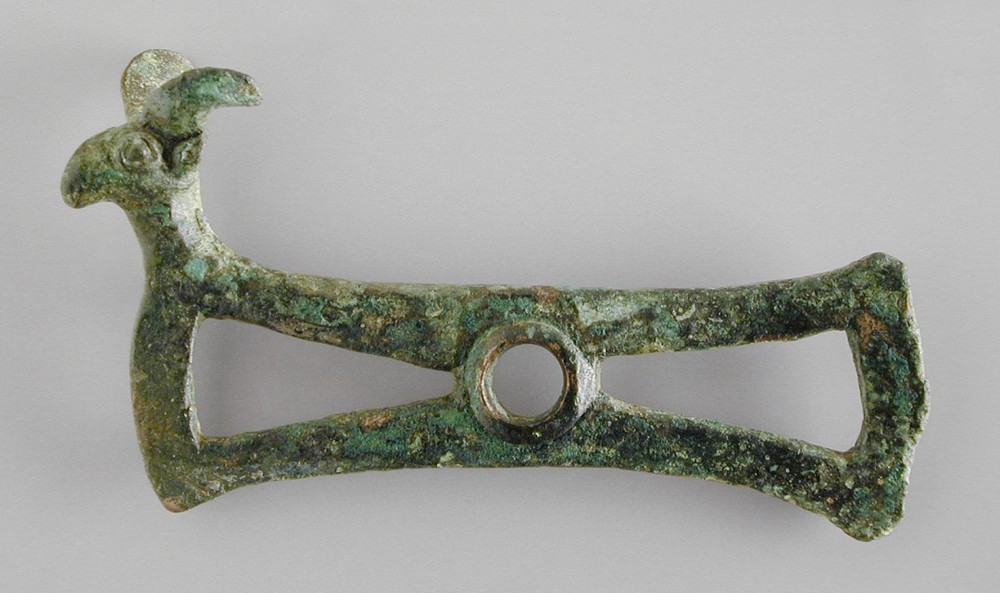


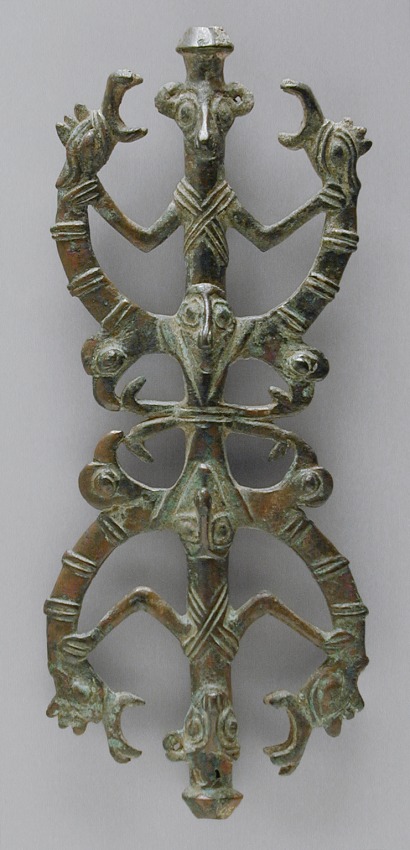
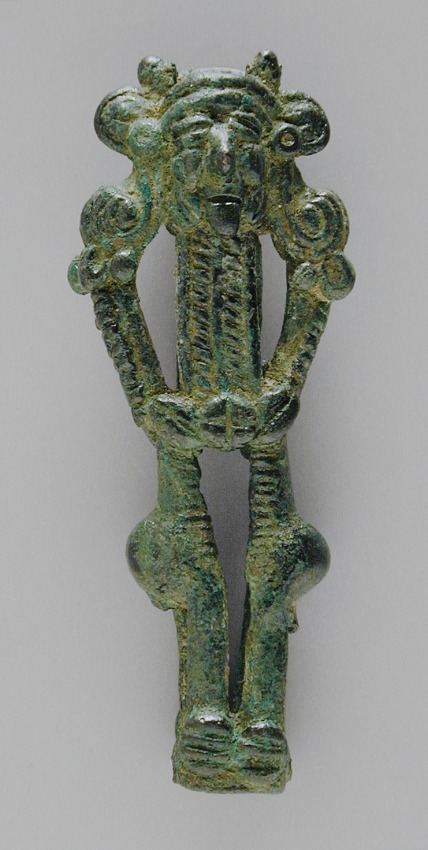
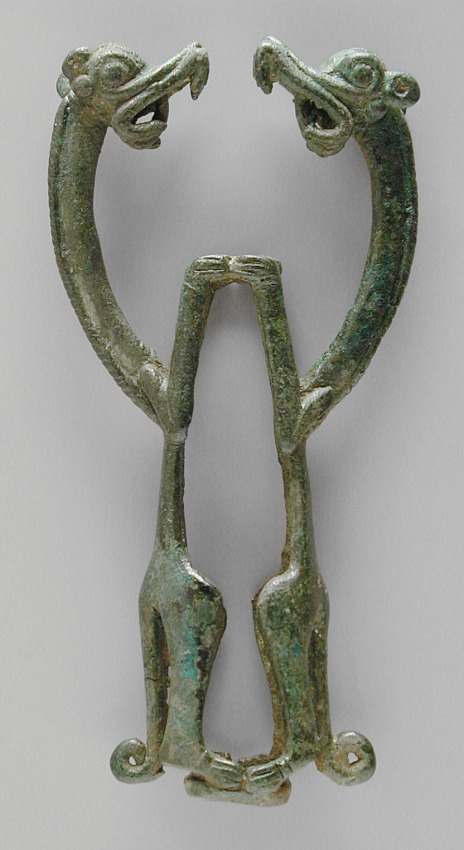
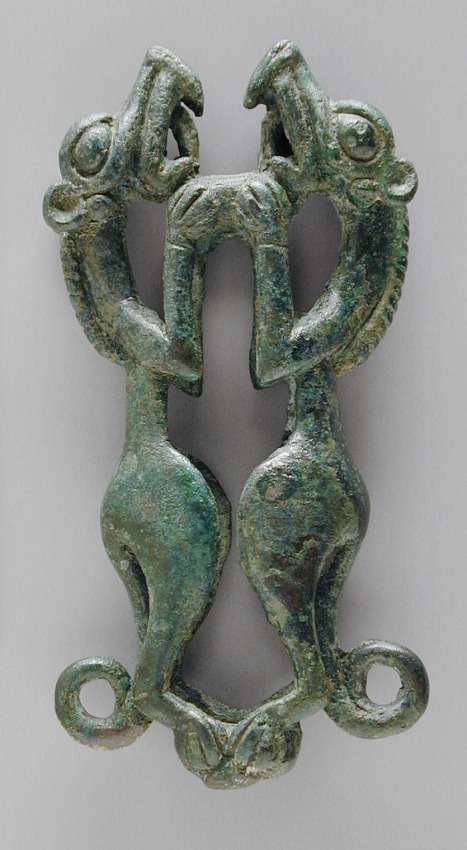

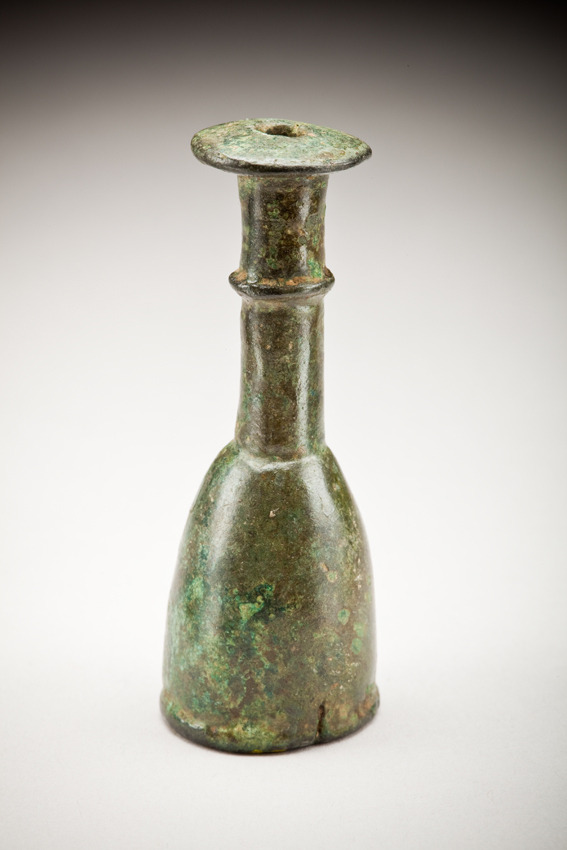
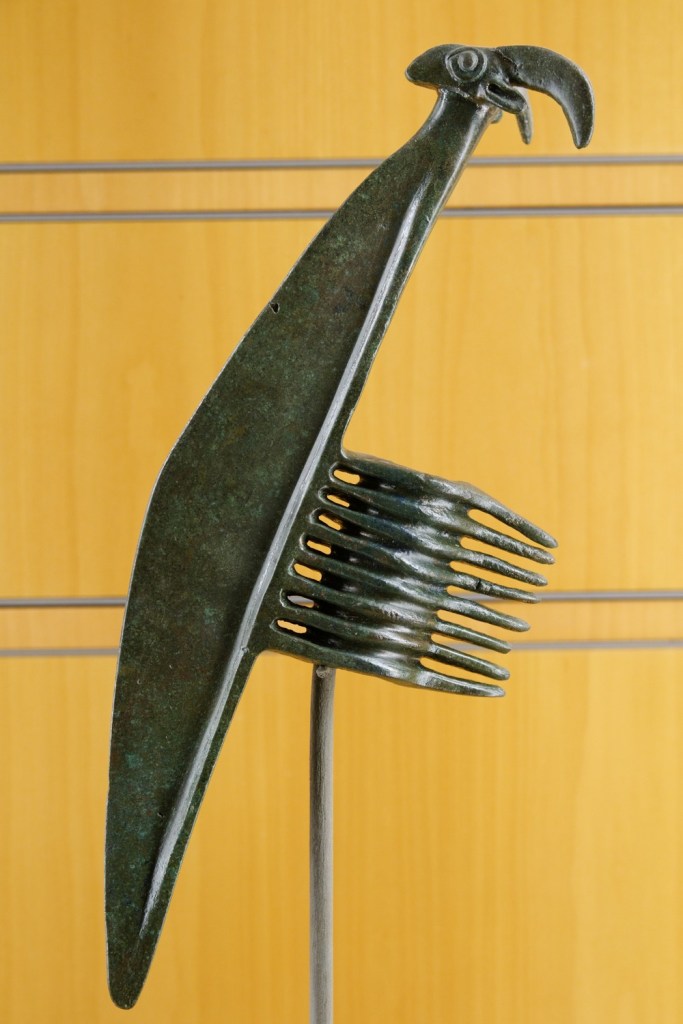

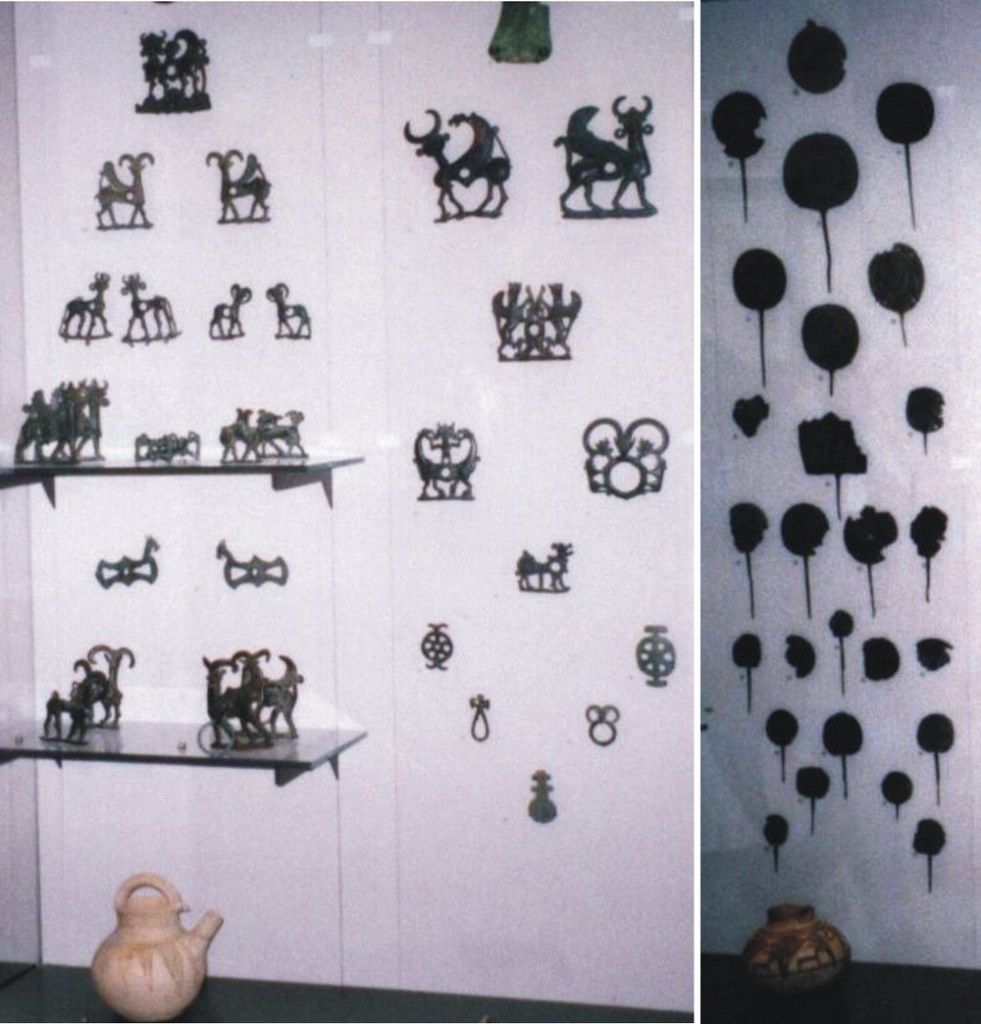
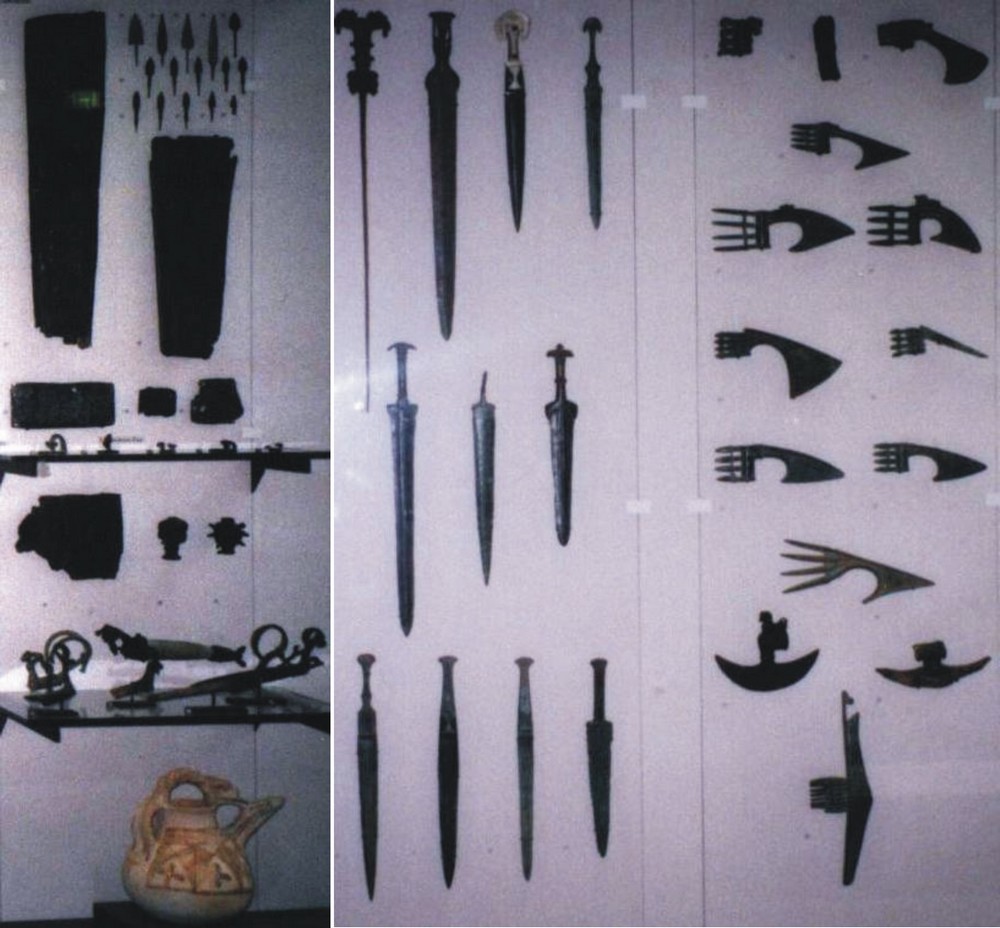
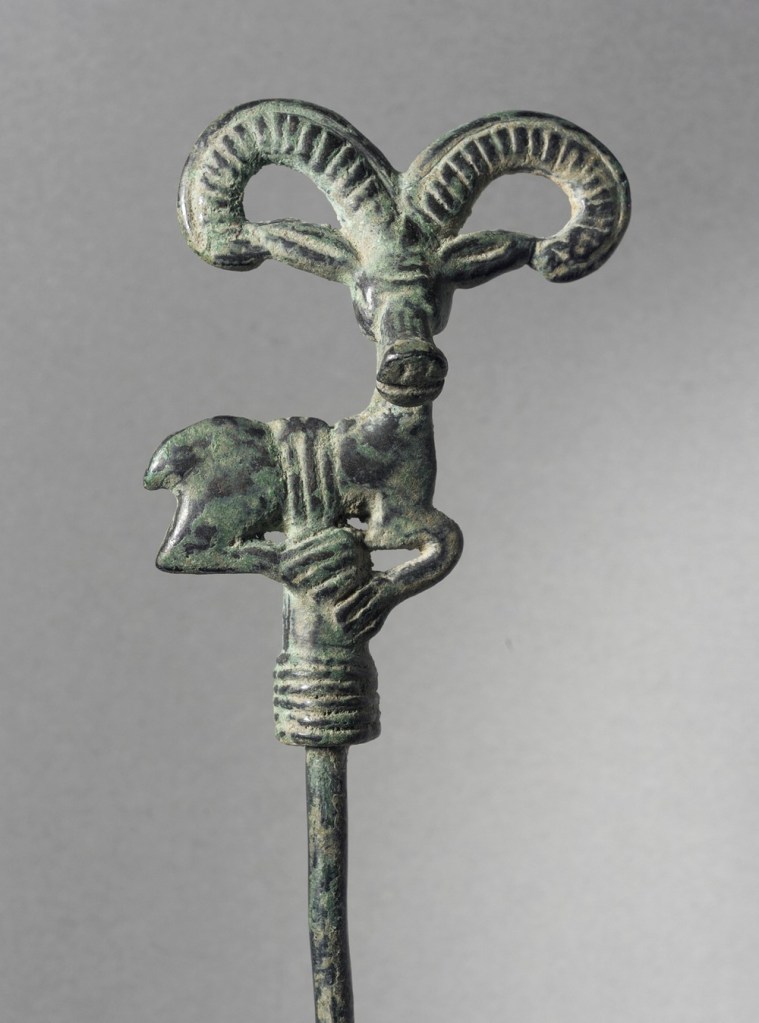

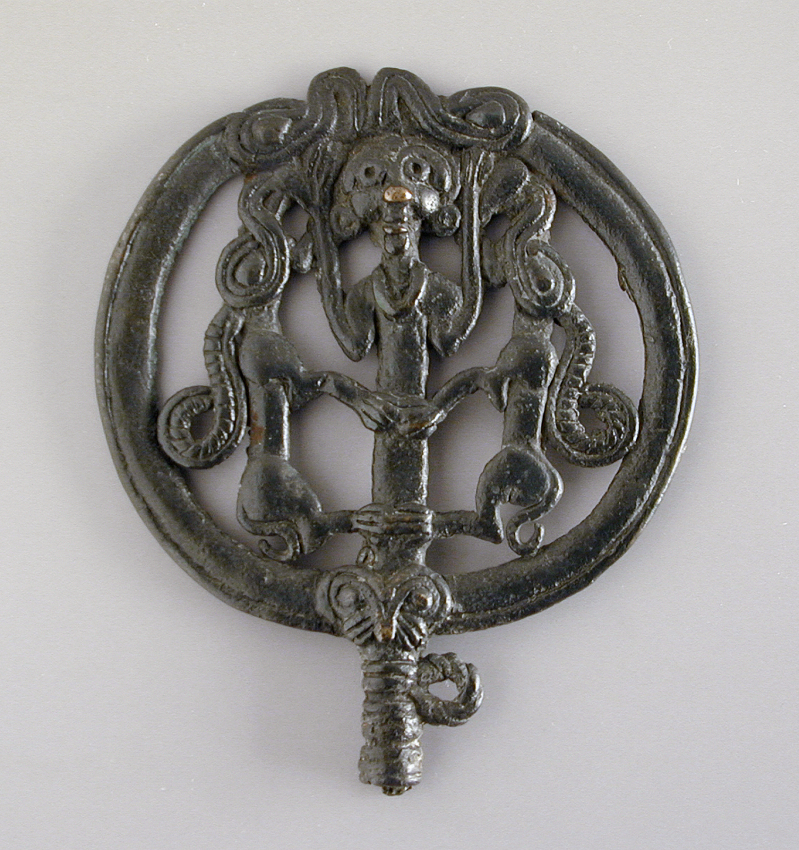
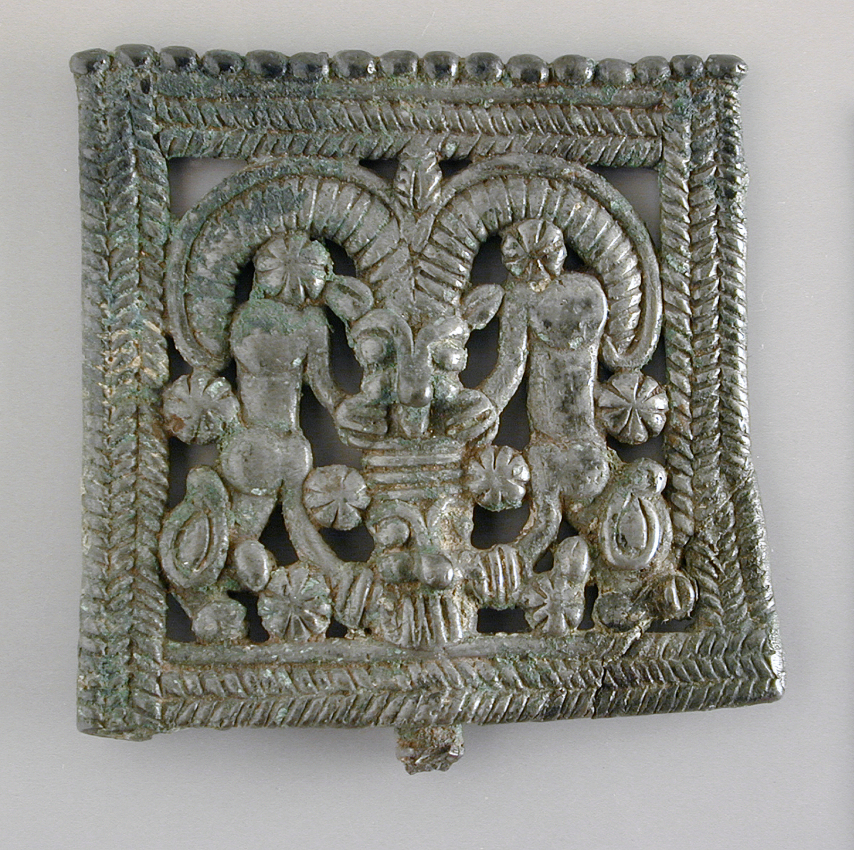
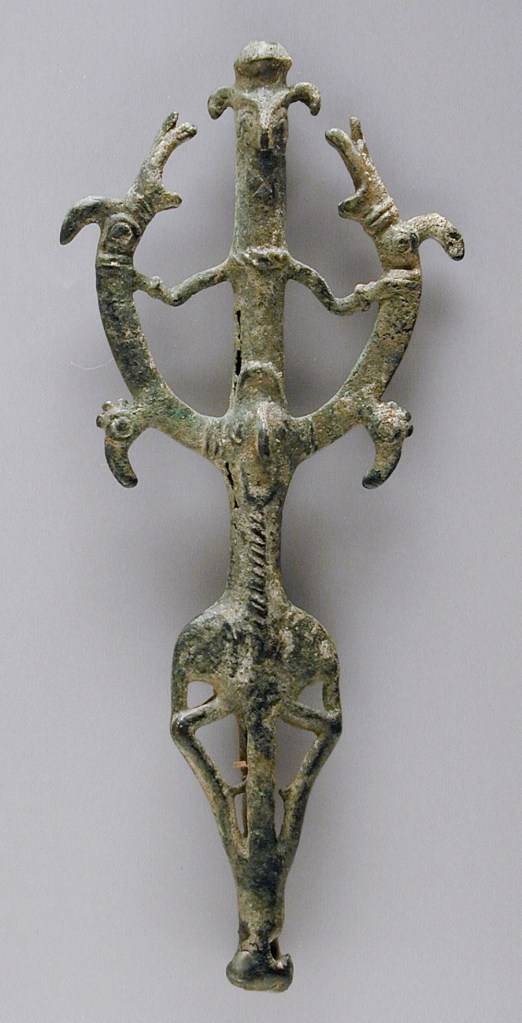
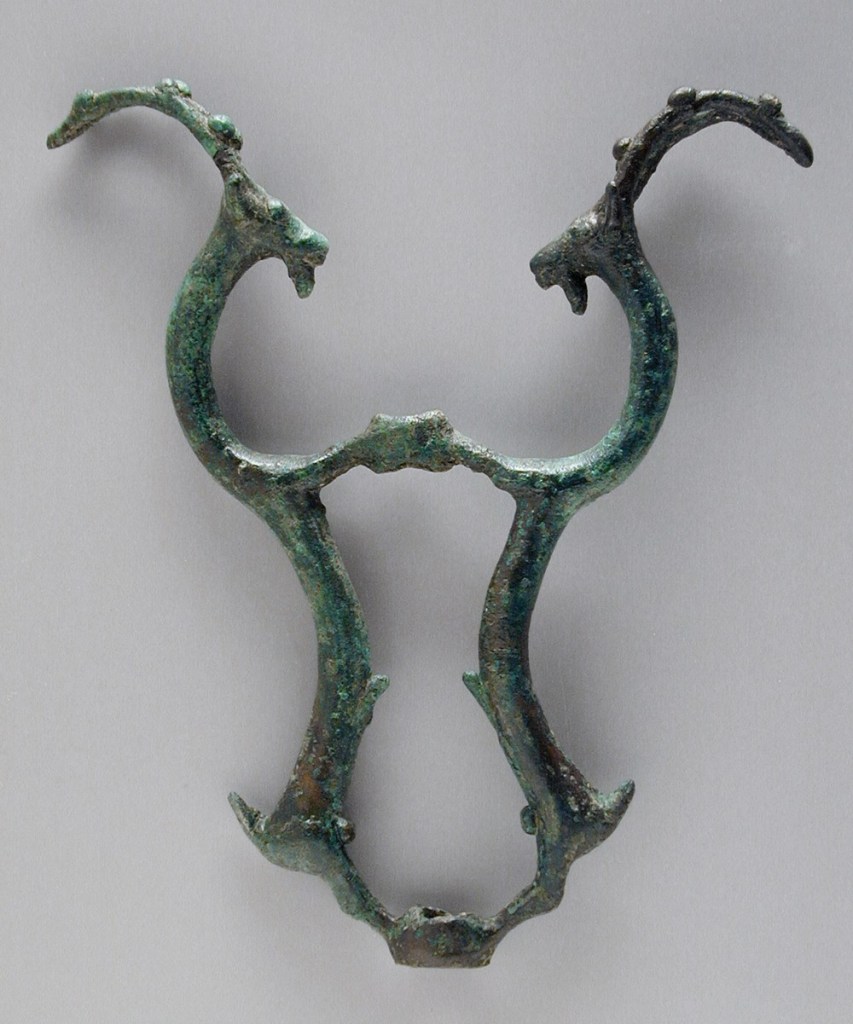
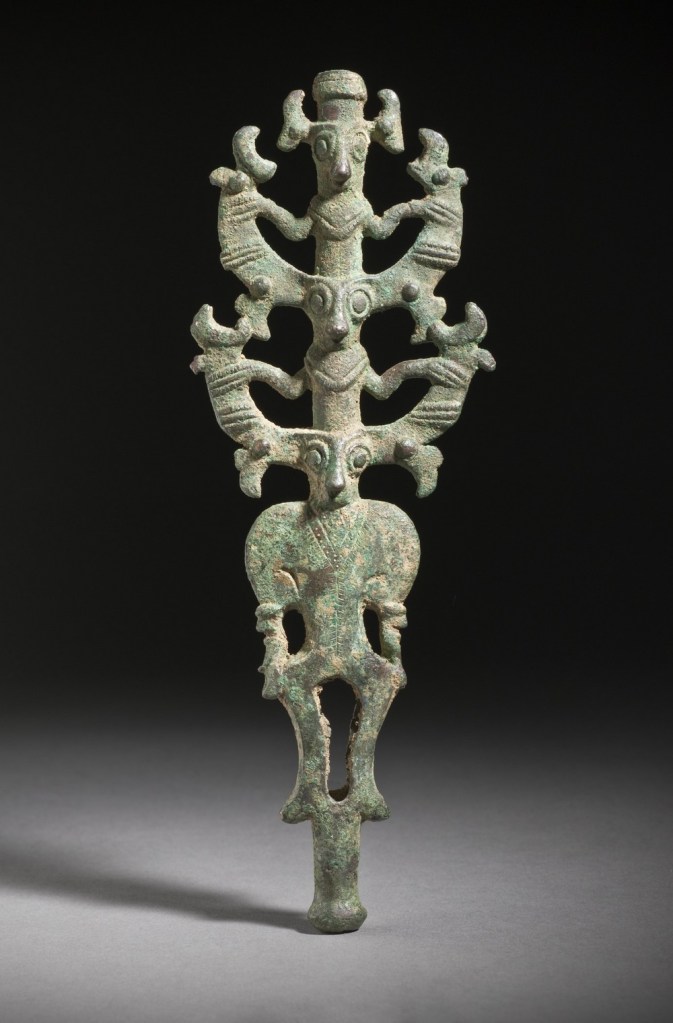
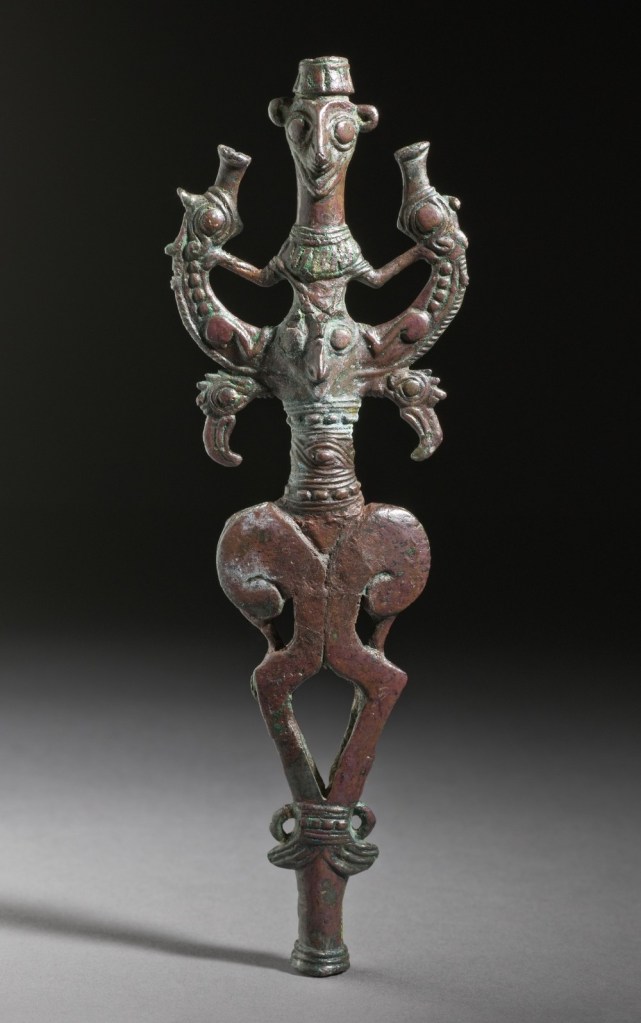
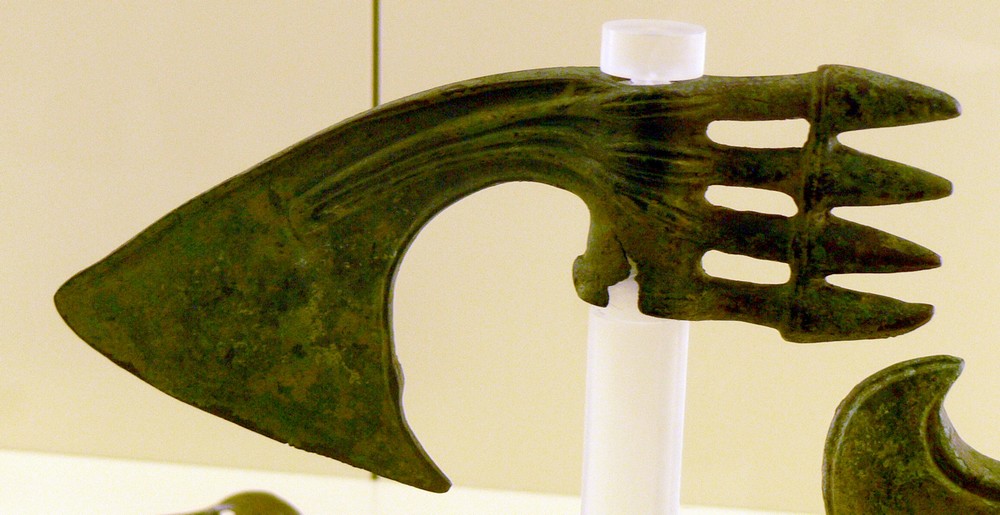


Photos of Luristan bronzes
https://www.alamy.com/stock-photo/luristan-bronze.html
Luristan bronzes are small castings decorated with bronze carvings of the Early Iron Age found in large quantities in the province of Luristan and Kermanshah in western Iran.
These include numerous ornaments, tools, weapons, horse accessories, and a small number of vessels, including situraes, found in documented excavations, usually found in burials.
The ethnicity of the people who created them remains unknown, but perhaps they were Iranian.
Bronzeware tends to be flat and openworked, they represent the art of nomadic peoples, for whom all belongings had to be light and portable, weapons, finials (perhaps for tent poles), harness fittings, pins, cups, Necessary items such as small accessories are highly decorated on small surface areas.
Representations of animals, especially goats and sheep with large horns, are common, and their shapes and styles are unique and original. The motif of a « master of animals » in which a man is positioned between and grasping two opposing animals is common, but typically highly stylized. A female « animal queen » is also seen.
To know more about the Luristan bronzes: https://iranpersiavoyage.com/objets-antiques/
Iran Lur-Bakhtiari habitat
Luristan, which literally means « land of the Lurs » in connotation with the nomadic Lur tribe, was a large expanse of the Zagros mountains. Over time, this part of Mount Zagros was divided, and in modern times several committees have been created.
Some of the names of villages, etc., are very old, while others will change over the course of history to become known in their present form.
Since then, the province of Luristan has covered an area of 29,308 square kilometers, with a population of over 1,760,000.
The province’s main towns are: Boroudjerd, Aligoudarz, Doroud, Koudacht, Azna, Delfan, Selseleh, and Pol-e Dokhtar. Its capital is Khorramabad. Its areas are mainly inhabited by the Lurs.
The Lur people are divided into 2 sub-groups:
One is the Lure Kuchik (Little Lurs) who make up the Luristan region.
And the other group is Lure Bozorg (Great Lurs), who make up Charamahal Bakhtiyar and the surrounding area
And the Bakhtiari live mainly in the Chaharmahal&Bakhtiari areas, also in Luristan province.
But the Bakhtiari areas are also made up of summer plains and winter places. The winter zones are located mainly in towns in Khuzestan province. And the summer zones in the Chaharmahal&Bakhtiari areas.
More and more Bakhtiari are settling down and are also living in regions in the province of Isfahan.
With an estimated population of around 1,500,000, the Bakhtiari are divided into two branches, the Haft Lang and the Tchahar Lang, themselves subdivided into numerous sub-branches.
In ancient times, the mountainous region of Luristan was inhabited by various indigenous peoples who successively left their mark and whose archaeological discoveries continue to be made.
The importance of this area is demonstrated by the domestication of sheep and goats around 10,000 years ago, as mentioned above.
In addition, a number of bronze objects from the Iron Age (4th millennium BC) were discovered, known as « The bronzes of Luristan ».
It is interesting to note that some of these bronze objects represent the life of nomadic peoples, for whom all goods had to be light and portable in order to travel.
Just like the Bakhtiari, whose nomadic lifestyle means that all their possessions have to be mobile.
The Lorestan civilization is best known for its objects made using the lost-wax technique, and more particularly for its elaborate horse bits decorated with horses or fabulous animals. These were found mainly in megalithic tombs.
(Megalithic tombs are above-ground burial chambers built with large stone slabs (megaliths) laid on edge and covered with dirt or other smaller stones).
Luristan has 263 sites of cultural and historical importance listed by the Cultural Heritage Organization of Iran.
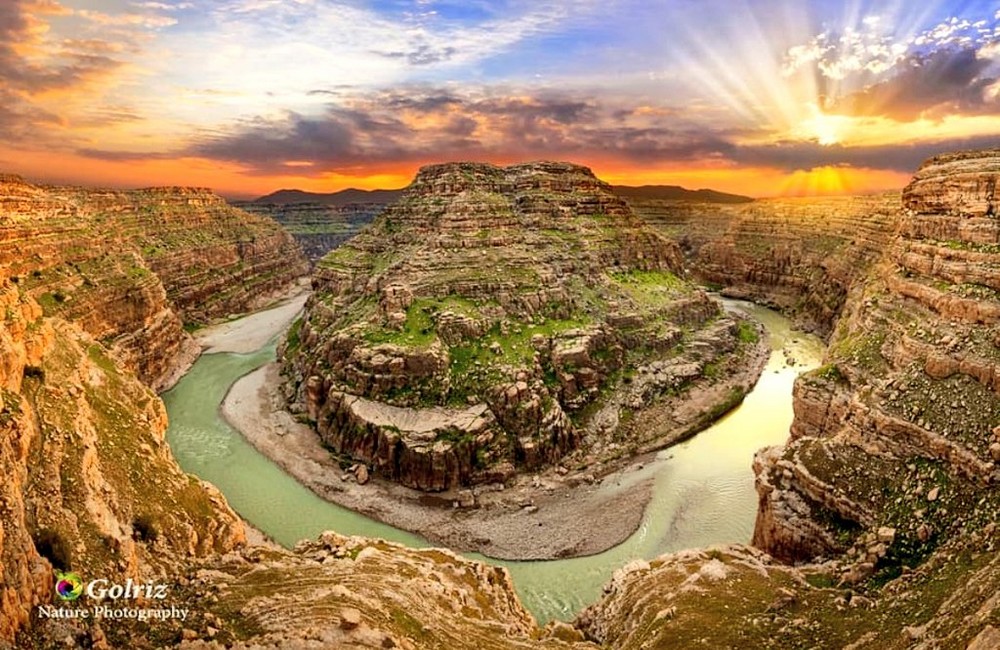
Photo:
Pol Dokhtar County – Lorestan Province – Khazineh Valley
https://golrizpix.com/Photo/11
-Pol-e Dokhtar (also Romanized as Pol Dokhtar and Pul-i-Dukhtar) is a city in the Lorestan Province of Iran.
The ruins of a Sasanian bridge over the Kashkan River are still visible today a few kilometers north of the city; that structure was part of a Sasanian Royal road that connected the Persian capitals Istakhr and Bishapur with towns in central and northern Mesopotamia.
In 1992, a horde of ancient objects were found in the nearby Cave Kalmakareh (also referred to as Cave Kalmakarra).
https://pleiades.stoa.org/places/413309734
-Tang-e Sheerz in Lorestan Province.
If you enjoy witnessing pristine and majestic natural attractions, undoubtedly, the rock formations of Tang-e Sheerz will captivate you.
This area, nestled in the heart of the Zagros mountain range, dates back millions of years, and similar natural wonders like this gorge are rare globally.
The natural erosion of the earth over millions of years has shaped these rock formations into their current stunning appearance, earning Tang-e Sheerz and similar areas around the world the reputation as some of the oldest natural museums on Earth.
Other examples of such natural gorges include “Kings Canyon” in Australia and “Grand Canyon” in the United States.
Tang-e Sheerz encompasses both historical and natural attractions.
To read more:
https://medium.com/@shadi.jahazi92/tang-e-sheerz-1f18a74e5397
-Lorestan
https://mapcarta.com/Lorestan
-LURISTAN BRONZES i. THE FIELD RESEARCH
https://www.iranicaonline.org/articles/luristan-bronzes-i-the-field-research-
-ABSTRACT – Rock art from Houmian, Luristan province, Iran
Presented here are the preliminary results of the 2005 archaeological mission of the University of Liege, on the study of the rock art of the Houmian valley in Luristan (Iran).
Some twenty rock-shelters contain mainly painted representations, mostly featuring scenes of hunting wild goats, attributed to the Iron Age and later periods, especially by comparison with the well-known “Luristan bronzes”, made in the area at the beginning of the first millennium B.C
https://sciencepress.mnhn.fr/sites/default/files/articles/pdf/az2006n2a2.pdf
-Abstract – The New-Found Petroglyphs at Aznā, Lorestan Province, Western Iran
Petroglyphs have always had a special place in the history of human civilisation so that they have been considered in all parts of the world.
Iran has also had a long history in petroglyphs’ creation. Up until now, many examples have been identified in different parts of this country. In archaeological studies of Iran, one of the most important cultural areas is Azna plain, Lorestan province. Numerous petroglyphs were identified on the rock panels during an archaeological survey. Geographically, these motifs have been created near a seasonal spring in a valley at eastern Tazeran Village. The petroglyphs mainly include ibex, but other zoomorphs such as deer, dog and a limited number of anthropomorphs are also seen. Based on the findings of the relative typology studies of other ancient petroglyphs and hills identified in the Japelaq region of Azna, one could state that Tazeran petroglyphs date back to a period between the pre-historic until the Iranian historical period.
https://link.springer.com/article/10.1007/s11759-019-09387-2
-LURISTAN v. Religion, Rituals, and Popular Beliefs
https://www.iranicaonline.org/articles/luristan-05-religion-beliefs
*

Origin of the Bakhtiari (People of the Bible?)
As for the origins of the Bakhtiari, there are several hypotheses, but for the Bakhtiari, they are the descendants of Cyrus the Great, who lived from 559 to 530 BC, founder of the Achaemenid Empire, or of the tribes mentioned in the Shahnameh (Book of Kings).
The Book of Kings is an epic tracing the history of Greater Iran from the creation of the world to the arrival of Islam, in over 60,000 verses written around the year 1000 by the great Persian poet Ferdowsi. Ferdowsi took thirty years to write his historical and mythological book.
According to the Book of Kings, in Zoroastrian mythology, the Lurs, the first line of the Bakhtiari, escaped the clutches of the demon Zahhak in the Zagros Mountains.
Due to their escape, these people considered themselves lucky. Thus, these members referred to themselves as Bakhtiari or Bakhtiyar, meaning « lucky companion » or « bringer of good fortune ».
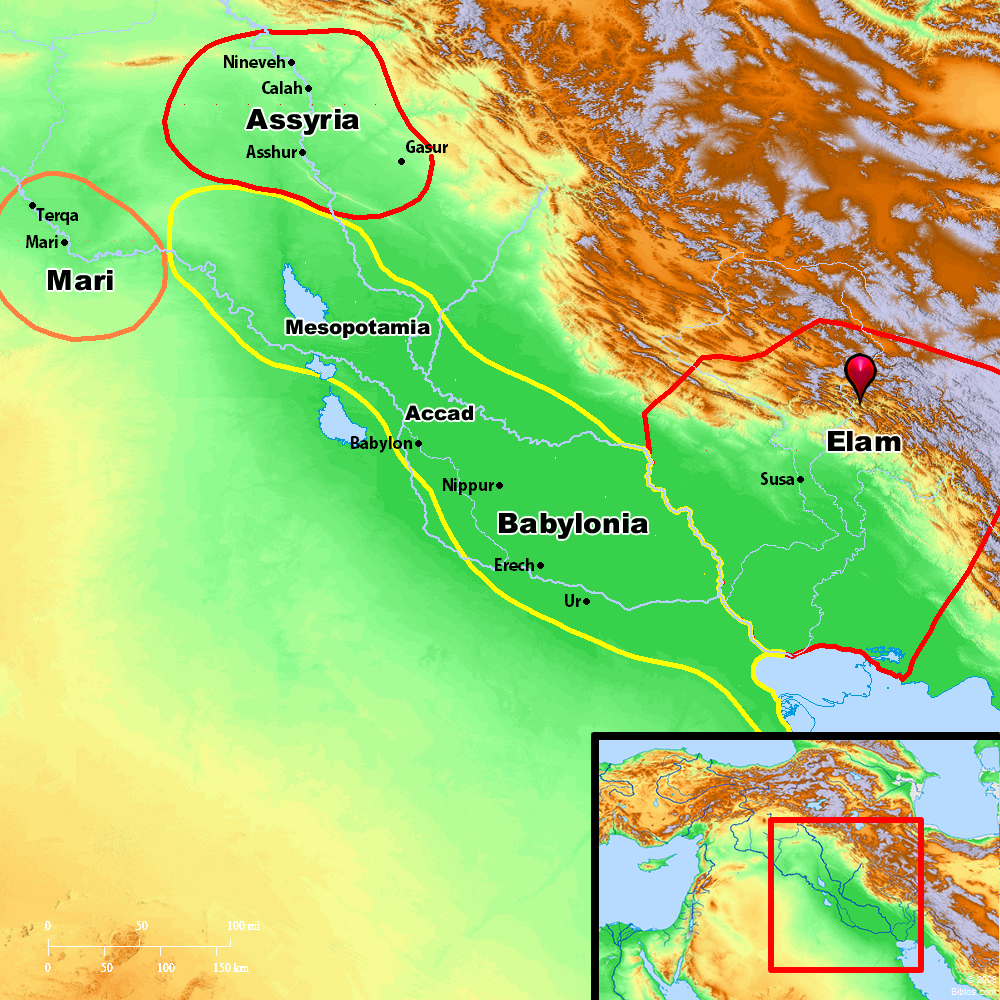
Another hypothesis is that the Bakhtiari are descendants of the Elamites of the Kingdom of Elam. The Kingdom of Elam is mentioned in the Bible, notably in Genesis, as well as in the books of Jeremiah and Daniel.
This thesis is supported by the fact that the Lurs are descendants of the Elamites. (The Lur tribe was a single large family before splitting up over time into several groups, including the Bakhtiari).
Elam is the Biblical name of a people and a country located in the southern part of the Iranian plateau, in the Zagros Mountains, east and northeast of the Tigris Valley.
Biblical accounts trace the Elamites back to Elam, a son of Shem (Genesis 10:22; 1 Chron 1:17). « After the flood, Noah’s sons repopulated the earth. The first son of Shem was Elam ».
In ancient times, the territory of the Elamites, Medes and Iranians/Persians formed a single region under the descendants of Elam, the eldest son of Shem and grandson of Noah.
And according to ancient accounts, the Bakhtiari moved from the Levant to the high plains of Mount Zagros due to a major climate change.
Thus, we can see a link between the Bakhtiari’s annual practice of crossing pastures to distant traces of their native ancestors, who also had to face floods such as the one in the Levant.
The history of the Levant flood is just one of many, for in this historical region there have been other floods far more ancient than the Biblical one, such as the flood in the Genesis of Eridu, which is a mythological text in Sumerian, a creation myth including a flood story; it is also called the « Sumerian Flood ».
Then, too, the flood of Atrahasis (Myth of the Supersage), in Akkadian. And the flood in the Gilgamesh epic.
These various flood stories, which all took place in the region of the Tigris, Euphrates rivers (Mesopotamia) as well as in the Persian Gulf, are known to us thanks to the beginning of cuneiform writing, but other floods long before writing have been forgotten.
But in-depth meteorological studies can trace certain events of the past.
In addition, in a sacred text of the Iranians/Persian Zoroastrians, there is a transcription of very ancient oral narratives, which does not specifically describe a flood, but an episode of « bad winters that brought down snow in great flakes », of a « fierce and deadly cold ».
The Avestic hero Yima, warned by the God Ahura Mazda of an impending climatic catastrophe, saves a handful of men, as well as various plant and animal species, from death; however, this story is not about an ark, but about a gigantic cavern built by Yima, on the advice of Ahura Mazda.
We can’t rule out the possibility that the oral origin of this story dates back to the last ice age (the Würm Glaciation), which ended around 8000 BC to give way to the current interglacial period, the Holocene.
It is therefore highly probable that the first ancestors of the Bakhtiari were the natives of Mount Zagros, as mentioned above, human traces dating back more than 40,000 years can be found in Mount Zagros, the same region where the Bakhtiari live.
These natives moved with climatic events from the Zagros Mountains to the Levant, later returning to the Zagros Mountains, their original habitat.
In those ancient times, there were no borders as we know them today, and for the natives of Mount Zagros it wasn’t a question of immigration or any other superfluous modern idea, it was just a temporary move from one region to another for a major reason, and the Bakhtiari are a continuation of their distant ancestors with similar practices.
Furthermore, not all deluges were devastating; there were also gradual rises in water levels, leading to a natural displacement of the inhabitants.
Of course, the history is far more complex and we need to sort out myth from reality, but with current knowledge, we know that there were indeed floods in this region, but far from killing everyone, there were of course survivors during these floods, forcing people to move to higher plains in the mountains or elsewhere in drier places to be able to survive.
And History took its course…
Photo:
Elam and surrounding region
https://bibleatlas.org/full/elam.htm
Map of Peoples and Nation in the Old Testament
https://bible-history.com/old-testament/map-old-testament-peoples
-Shahnameh: The Persian Book of Kings
Among the great works of world literature, perhaps one of the least familiar to English readers is the Shahnameh: The Persian Book of Kings, the national epic of Persia. This prodigious narrative, composed by the poet Ferdowsi between the years 980 and 1010, tells the story of pre- Islamic Iran, beginning in the mythic time of Creation and continuing forward to the Arab invasion in the seventh century.
https://archive.org/details/shahnameh_202001
-Zahhāk: An Etiology of Evil
Over 1,000 years ago, the great Persian poet Ferdowsi recounted the legend of the tyrant Zahhāk, a cruel ruler who conquers Iran and who has serpents growing out of his shoulders…
https://themarkaz.org/zahhak-an-etiology-of-evil/
-Characters of Ferdowsi’s Shahnameh
https://www.heritageinstitute.com/zoroastrianism/shahnameh/characters.htm
-‘The Shahnameh in Bakhtiari Nomadic Society: Anthropological Aspects of Hero and Heroism’, Iran, XLIV published by the British Institute of Persian Studies, British Academy, pp.321-26.
https://www.academia.edu/1621507/2006_The_Shahnameh_in_Bakhtiari_Nomadic_Society_Anthropological_Aspects_of_Hero_and_Heroism_Iran_XLIV_published_by_the_British_Institute_of_Persian_Studies_British_Academy_pp.321-26
-Persian Myths « The Creation of the World »
http://www.artarena.force9.co.uk/cotw.htm
-Yima (Jamshed) and the deluge.
http://www.avesta.org/vendidad/vd2sbe.htm
-AVESTA (Ancient scriptures of Zoroastrianism)
http://www.avesta.org/
-Elam. The region east of the Tigris River, which provided Mesopotamia with a rich source of raw materials. In the Bible, Elam is best known from (Gen 14), which details the coalition of several kings, including the Elamite Chedorlaomer, against the kings of the Dead Sea region.
https://blog.bibleodyssey.org/dictionary/elam/#:~:text=The%20region%20east%20of%20the,of%20the%20Dead%20Sea%20region.
-The first Biblical mention of Elam as a country, or nation, is in the time of Abraham (2018-1843 B.C.E.) when Chedorlaomer “king of Elam” marched with an alliance of kings against a Canaanite coalition of kings in the Dead Sea region.
https://wol.jw.org/en/wol/d/r1/lp-e/1200001274
-The Lost World of Elam
https://alialtaie.com/wp-content/uploads/2020/05/The-lost-world-of-Elam.pdf
-History of Elam
https://timemaps.com/encyclopedia/history-elam/
-Ten Ancient Elam Facts You Need to Know
Elam, located in the region of the modern-day provinces of Ilam and Khuzestan in Iran, was one of the most impressive civilizations of the ancient world. It was never a cohesive ethnic kingdom or polity but rather a federation of different tribes governed at various times by cities such as Susa, Anshan, and Shimashki until it was united during the Middle Elamite Period, briefly, as an empire.
https://www.worldhistory.org/article/1591/ten-ancient-elam-facts-you-need-to-know/
-The Bakhtiari Mountains and Upper Elam
https://ia600708.us.archive.org/view_archive.php?archive=/22/items/crossref-pre-1909-scholarly-works/10.2307%252F1193243.zip&file=10.2307%252F1773781.pdf
-Under the Magnifying Glass: Elamite Rock-Cut Sanctuary at Kurangun (1650 BCE)
The Elamites (2700–646 BCE) were a pastoral people who inhabited the highlands of the Zagros mountains, east of the Tigris River (in modern-day Iran). In their own language, they were Heltam-ti, which meant “Highlanders.”[1] The Bible describes Elam as a land of bowmen, chariots, and horsemen (Isaiah 22:6). Frequently at war with their neighbors (the Sumerians, Akkadians, Babylonians, Kassites, and Assyrians), they eventually were assimilated into the Persian Empire.
https://lynnchildress.substack.com/p/under-the-magnifying-glass-elamite
-The treasures of Elam, a civilisation gone but not forgotten
https://lighthouse.mq.edu.au/article/november-2021/The-treasures-of-Elam,-a-civilisation-gone-but-not-forgotten
-Aspects of Elamite Art and Archaeology
https://www.penn.museum/sites/expedition/aspects-of-elamite-art-and-archaeology/
-Yes, Noah’s Flood May Have Happened, But Not Over the Whole Earth
https://ncse.ngo/yes-noahs-flood-may-have-happened-not-over-whole-earth
-In Mesopotamian sources, the surviver of the flood had three names : Ziusudra, Atrahasîs or Ûta-napishtî.
The first name meant “Life of long days”, the second “The Supersage”, the third “I have found my life”.
What distinguished him from other human beings was his status as an immortal being, which was offered to him after the flood.
The crossing of the flood was a kind of ordeal. Mesopotamia had two civilizing heroes, Sargon of Akkade and Ziusudra/Atrahasîs/ Ûta-napishtî. Their respective exposures did not have the same meaning.
The one was chosen before the ordeal, the other after it. For the first, we are confronted with a rite of probation, for the second with a rite of institution, but a rite which differs from an ordinary rite of passage.
https://journals.openedition.org/rhr/8460
-The Iranian Plateau, birthplace of the original epic of Gilgamesh
https://relf.ui.ac.ir/article_20310.html
-The Epic of Gilgamesh
https://www.encyclopedia.com/arts/culture-magazines/epic-gilgamesh
-How climate change caused the world’s first ever empire to collapse
Gol-e-Zard Cave lies in the shadow of Mount Damavand, which at more than 5,000 metres dominates the landscape of northern Iran.
In this cave, stalagmites and stalactites are growing slowly over millennia and preserve in them clues about past climate events.
Changes in stalagmite chemistry from this cave have now linked the collapse of the Akkadian Empire to climate changes more than 4,000 years ago.
https://theconversation.com/how-climate-change-caused-the-worlds-first-ever-empire-to-collapse-109060
-Mesopotamian climate change
Geoscientists are increasingly exploring an interesting trend: Climate change has been affecting human society for thousands of years. At the American Geophysical Union annual meeting in December, one archaeologist presented research that suggests that climate change affected the way cultures developed and collapsed in the cradle of civilization ó ancient Mesopotamia ó more than 8,000 years ago.
https://leilan.yale.edu/sites/default/files/public-media/pdf/geotimesfebruary_2004.pdf
*




Traditional Bakhtiari Clothing
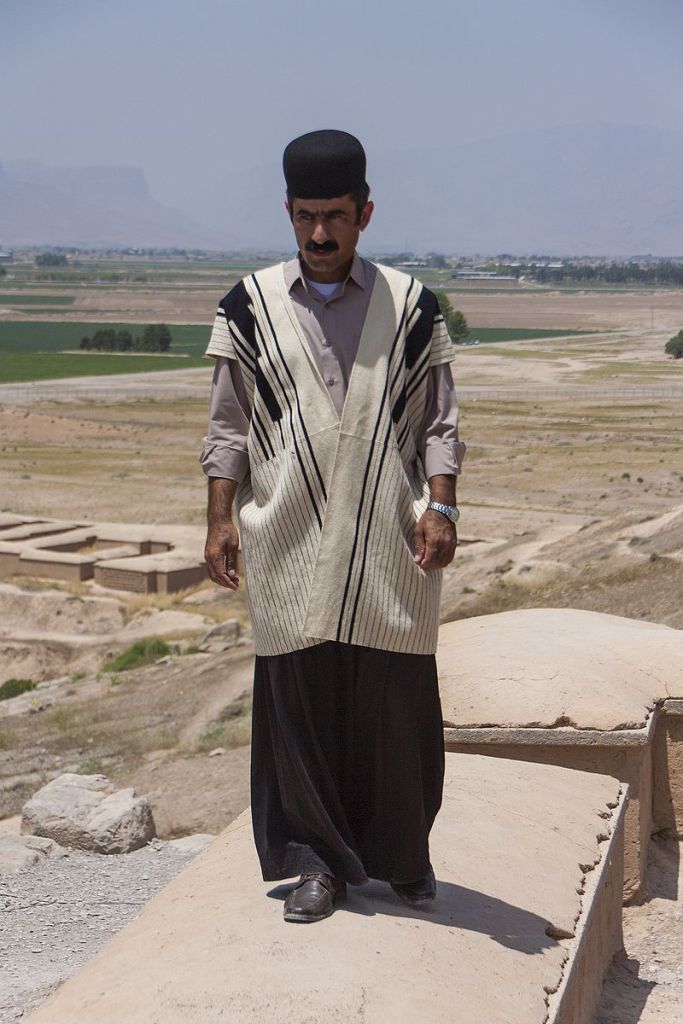
The traditional Bakhtiari garment is the garment worn by the men and women of the Bakhtiari tribe of Iran. Some pieces are worn during festivities such as weddings or mourning ceremonies while others are worn on a daily basis.
Women
-The lachak (Persian: لَچَک) is a crush worn directly on the hair, formed by a velvet band that covers the top of the head and ears, and to which is sewn a background of cloth that goes down to the nape of the neck.
-The souzan band necklace (Persian: بندسوزن), a long necklace made of pearls and other ornaments tied with safety pins behind the head on the lachak and falling down to the lower back.
-The meynā veil (Persian: مَینا) is attached to the lachak and is made of a light, more or less transparent and brightly colored fabric.
-The long joweh shirt (Persian: جُوِه) is the most common model of women’s clothing that rests on the shoulders. This one with long sleeves and a straight neckline goes down to the knees. Another variant consists of a long-sleeved bodice and a skirt sewn at the bottom of the bodice
-The shalvār gheri (Persian: شلوار قِری) is a long, colorful dress with multiple folds.
-A black headband (Persian: دستمال مشکی) worn around the forehead and fastened behind the head is worn during mourning ceremonies.
Men
-Dabit trousers (Persian: شلوار دَبیت), are long black trousers, tight at the waist and whose folds float freely to the ground. They are usually worn over another pair of trousers (zir-shalvāri) and accompanied by a leather belt with a large buckle.
-The shāl (Persian: شال), is a long white cotton cloth, worn in place of the belt, rolled around itself and tied around the waist, traditionally over the garment worn. The bakhtiaris house the various objects they carry with them: knives, mobile phones, pipes, tobacco.
-The chughā tunic (Persian: چوقا) is worn over the shirt. It is sleeveless, open in front and falls to the knee. It is made of sheep’s wool and natural white in color with black or dark blue stripes, the pattern of which is supposed to recall the ziggurat of Chogha-Zanbil. It is the only piece of the men’s costume made entirely in the tribe. Previously worn only by the Durant of Lorestan, it was introduced into the tribe by a bakhtiari khān who, after receiving a chughā as a gift from a khān of the Lor tribe, decided that it would become the tunic of the chiefs (kalāntar )1. The most famous chughā are the chughā kiārsi-baf (Persian: چوقا کیارسی بف) named after the Kiārsi tribe of the Haft Lang branch that produces them.
-The thick black or brown felt coat kordin (Persian: کُردین) or shenel (Persian: شنل), is used by shepherds or men guarding camps at night. It provides protection against the cold and rain and is simply worn thrown over the shoulders.
-The kola (Persian: کلاه), a round-shaped felt cap made of goat hair worn by men on their heads.
-Giveh (Persian: گیوه), a kind of espadrille with a very thick sole, made of strips of cloth held very tightly by leather straps on which they are threaded transversely. The most famous givehs are produced in the city of Najafabad.
https://fr.wikipedia.org/wiki/V%C3%AAtement_traditionnel_bakhtiari
(At Persepolis in Iran, in the ancient city of the Achaemenid Empire, there are reliefs depicting Median men, identified by their style of dress, which resemble the clothing of Bakhtiari men. Media was one of the central regions of the Achaemenid Empire).
Photo:
Relief: figure in a procession, Achaemenid, Persepolis Iran, ca. 405–359 BCE
The monumental art and architecture of the Achaemenid period are best exemplified by the ruins of Persepolis, the large ceremonial capital of the empire originally built by Darius I (r. 521–486 B.C.) and expanded by his successors. Persepolis is located thirty miles northwest of Shiraz in the southwest Iranian province of Fars. There, structures like the « Hall of One Hundred Columns » and the « Throne Room of Darius and Xerxes » exhibit features characteristic of Achaemenid palace architecture—large square rooms, with ceilings supported by many columns. Some of the columns in the Throne Room have been reconstructed and stand more than sixty-five feet high.
Most characteristic of Achaemenid sculpture are the slabs carved in low relief that decorate the various stairways leading to the ceremonial buildings. Representations of hundreds of alternating Persian and Median servants bringing food and drink for a royal feast are on the walls of several palace stairways at Persepolis. Dating to the reign of Artaxerxes II (r. 404-360 B.C.), this relief was part of a stairway along the western side of the Palace of Darius. The relief depicts a Median, identified by his style of dress: a belted tunic and rounded felt cap. He is being led by a Persian counterpart, and the figures are shown hand in hand.
https://www.metmuseum.org/art/collection/search/323723
-Symbolic Study of Color in Bakhtiyari Textiles with Emphasis on Veris (Card Weaving)
https://www.researchgate.net/publication/330146681_Symbolic_Study_of_Color_in_Bakhtiyari_Textiles_with_Emphasis_on_Veris_Card_Weaving
-CLOTHING xxv. Clothing of the Baḵtīārīs and other Lori speaking tribes
https://www.iranicaonline.org/articles/clothing-xxv
*

Bakhtiari Wedding
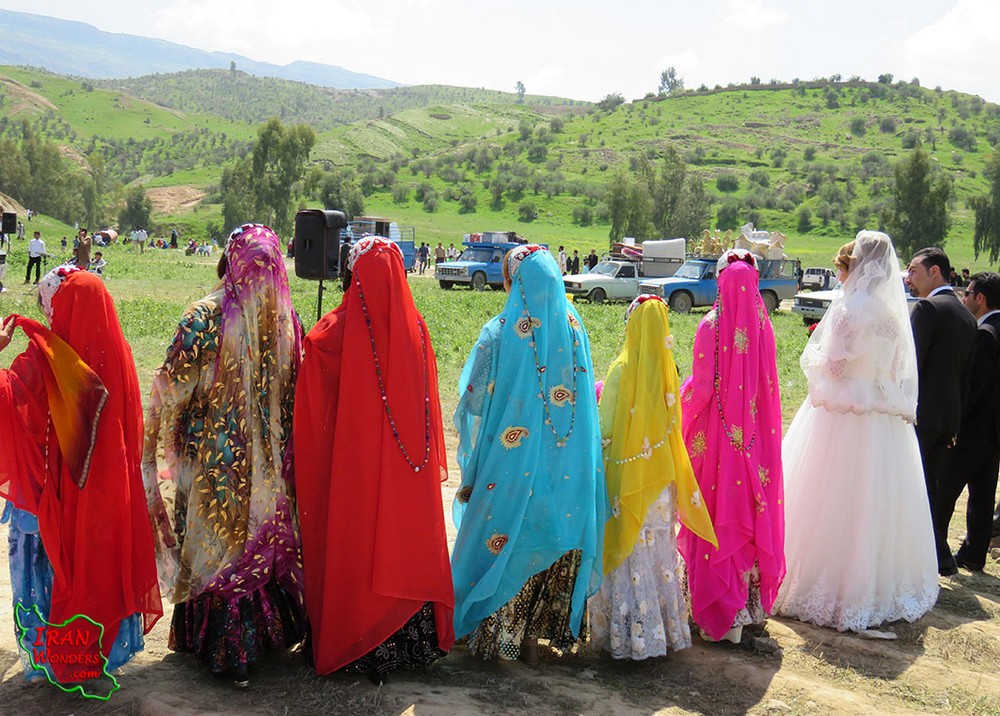
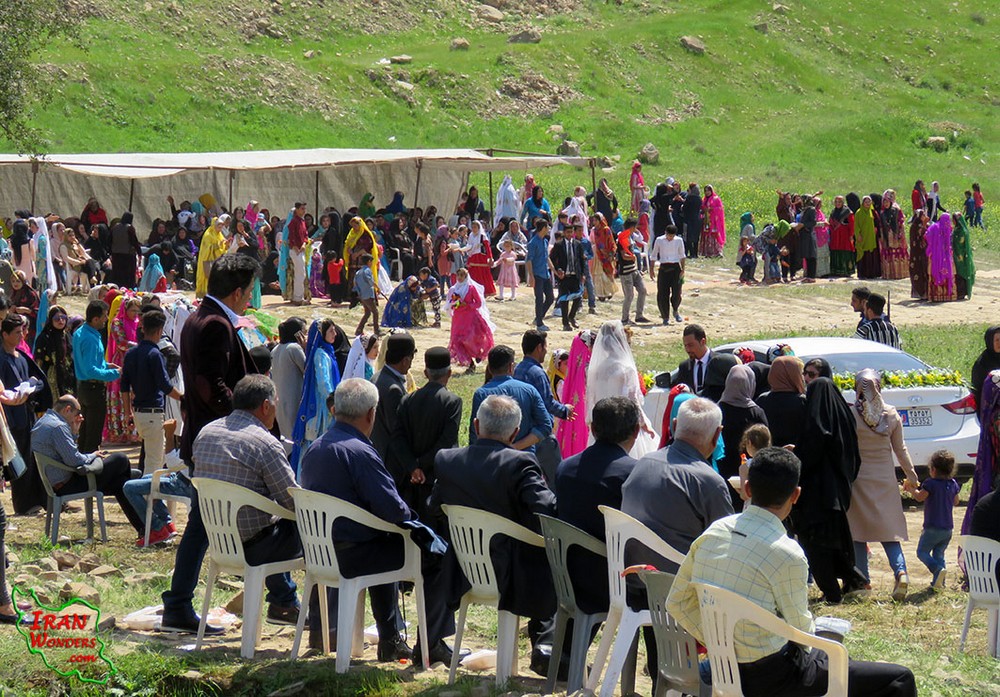
The Bakhtiari wedding is considered one of the major events within the Bakhtiari tribe of Iran. This is independent of the religious wedding and can take place long after the latter. It is steeped in Bakhtiari traditions and culture. It can sometimes gather several thousand people when it takes place between two large tribes.
As Bakhtiari society is a tribal society, made up of different groups and sub-groups (e.g. Haft Lang, Chahar Lang), marriage is seen as a way to consolidate the bond within a tribe or between two different tribes, or on the contrary to forge links with another tribe. Marriage is traditionally arranged by families with minimal adhesion from the bride and groom, who have the opportunity to talk to each other and give their opinion, during the prior khāstegāri ceremony.
Before marriage
There are many steps that take place before the wedding ceremony itself:
-Khāstegāri (Persian: خواستگاری). The formal request of the suitor’s family to the girl’s family. During this visit, the suitor is accompanied by one or more members of his tribe, a request is made on his behalf by the persons accompanying him. The suitor and the coveted girl have the opportunity to talk to each other one-on-one and exchange views about their union and future life. The girl’s family usually gives their answer a few days later, while they ask others about the suitor and his family.
-Azmayesh-khoon (Persian: آزمایش خون). If the girl’s family responds positively, a mandatory blood test is performed at a specialized clinic to check for possible risks related to inbreeding. If the test turns out to be negative, the future husband offers a piece of jewellery to his future wife that she must wear to mark the future union with the relatives.
-Dastboosoon (Persian: دست بوسون). During this betrothal ceremony, the bridegroom’s family, accompanied by many rish-sefid (Persian: ریش سفید) and katkhodāh (Persian: کدخدا), respected people within the tribe and representing the bridegroom, visit the woman’s family.
During this ceremony, which took the form of a bargain punctuated by numerous forms of courtesies (taarof) between the two families and tribes, the price of the dowry (Persian: شیربها) as well as the mehriye (Persian: مهريه) (a form of appreciation allowing certain guarantees to be offered to the woman in the event of divorce) was fixed. The contract is then signed by the future spouses as well as witnesses. The groom-to-be then offers gold and jewelry to his bride-to-be as well as fabrics and other gifts (Persian: برچه) to his bride-to-be’s family. This ceremony is followed by a feast with Toshmāl music and traditional dance. These steps can sometimes take place several months apart depending on the situation of the families (e.g. military service of the future spouse, precarious financial situation, etc.). This is followed by the wedding party.
Wedding proceedings
Invitations are distributed only a few days before the wedding, by family members. As the Bakhtiari tribes are closely linked to each other, a death of a member of the tribe can lead to a mourning period of up to 40 days and cancel any festivities.
Wedding Eve
On the evening before the wedding, the bride and groom, dressed in traditional costume, and their respective families meet in the bride’s house for the hanabandān ceremony (Persian: حنابندان).
Wedding day
The ceremony traditionally takes place in a large field in the middle of nature during the day. They are mainly held in the spring during the Nowruz school holiday period in Khuzestan, when the temperatures are mild and the nature is green, and during the summer in the province of Chaharmahal and Bakhtiari. The particularly rhythmic and colourful ceremony can bring together from a few hundred to several thousand people and is interspersed with a meal served on site.
Gifts
Each family has a list of marriages in which they have participated and contributed financially. People invited to a wedding must respond financially in return by giving at least the same amount they received during their festivity. One person from each tribe is responsible for writing down the list of contributors from his tribe and handing over this list and the money raised to the groom’s family.
Dances
-The chub bāzi »’ (Persian: چوبازی) (lit. stick game) is a choreographed game accompanied by music that usually takes place at the beginning of the wedding (before the first dance) and after the meal. In this game, two male opponents take turns fighting each other, one with a short stick with the objective of hitting the opponent below the knees and the other with a long stick with the objective of protecting himself from his opponent’s attack.
After each attack, the roles are reversed, and other participants can ask to enter the game.
-The dance of dastmāl bāzi »’ (Persian: دستمال بازی) (or handkerchief dance) is the central element of bakhtiari marriage. In this dance, men and women dance side by side to the sound of toshmal music by forming a large circle and rotating counterclockwise. They are dressed in their festive clothes and perform different dance steps that build up in the course of the wedding and are accompanied by coordinated movements of the colorful handkerchiefs that they wave in the air.
Music
Tochmāl music (Persian: تشمال) is composed of two instruments: the karnā (Persian: کرنا), a long wind instrument of the brass family and the dohol (Persian: دهل), a two-skinned drum, played with both hands; one striking one side of the skin with a bentwood and the other striking the other side with a thin stick. The music is sometimes accompanied by a singer.
https://fr.wikipedia.org/wiki/Mariage_bakhtiari
Photos:
Traditional Bakhtiari-5
Traditional Bakhtiari-6
Traditional Bakhtiari-7
https://iranwonders.com/en/articles-en/319-the-great-nomads-of-bakhtiyari-and-bardshirs-the-stone-lions
*


Ancient Bakhtiari Practices
The process of incorporating each new religion and culture was extremely complex.
The Mithraism of the Indo-Iranian religion Mehr, followed by the Zoroastrianism of the Iranian philosopher Zarathushtra, two religions practised for thousands of years by the Iranian/Persian peoples and which had such an influence that some of the traditions of those times still survive in Iran today.
This will also give the timelines a richly diverse culture.
(These two religions also had a great influence outside the Iranian sphere: ruins of Mehr temples can still be seen in few parts of the West (present-day Europe).
The ancient Bakhtiari, therefore, practiced Mithraism and Zoroastrianism (to mention only these two religions, since there were other cults before).
Moreover, as we know from various accounts of the past, the Bakhtiari were the most opposed and resistant to each new religion until the Muslim invasion of Greater Iran, of which the Bakhtiari were among the last citizens to convert to Islam, a conversion process that lasted several generations before fully integrating Islam. In the meantime, the practices of Zoroastrianism continued among the Bakhtiari.
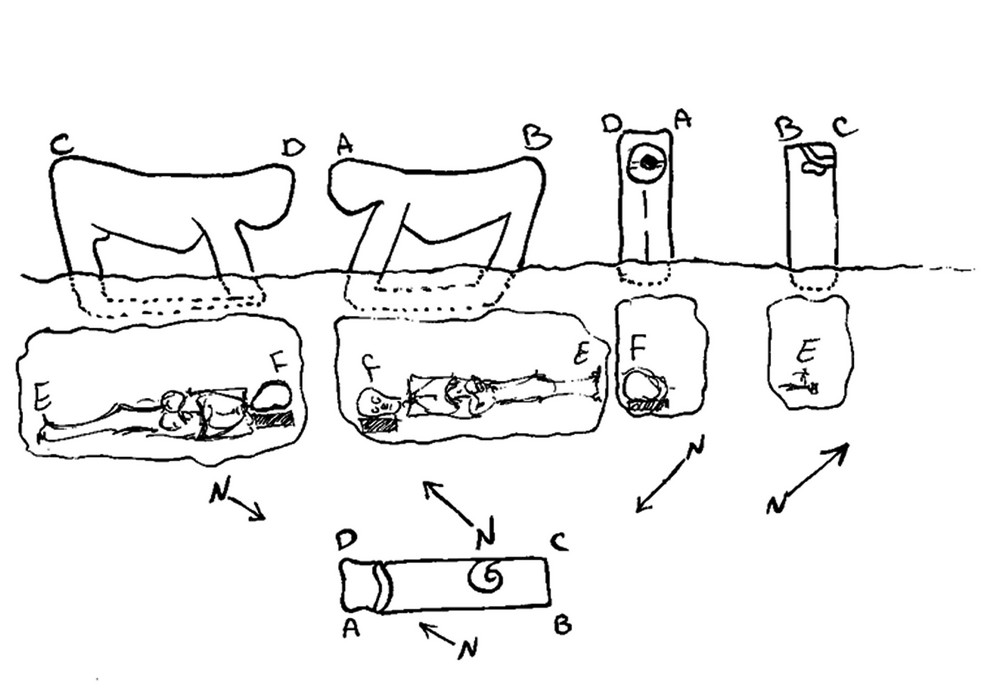
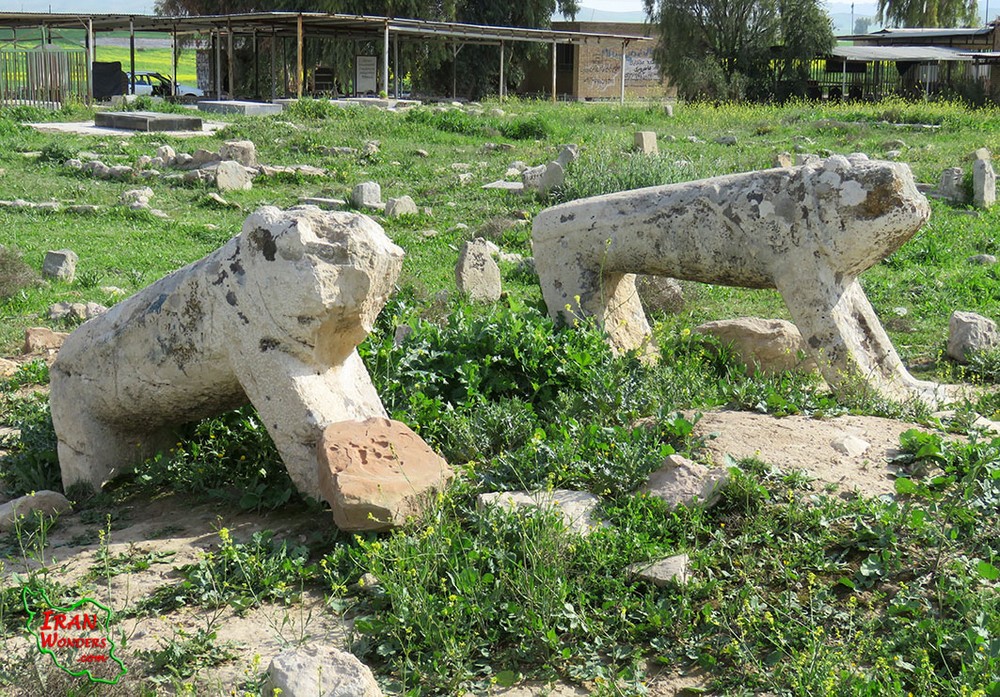
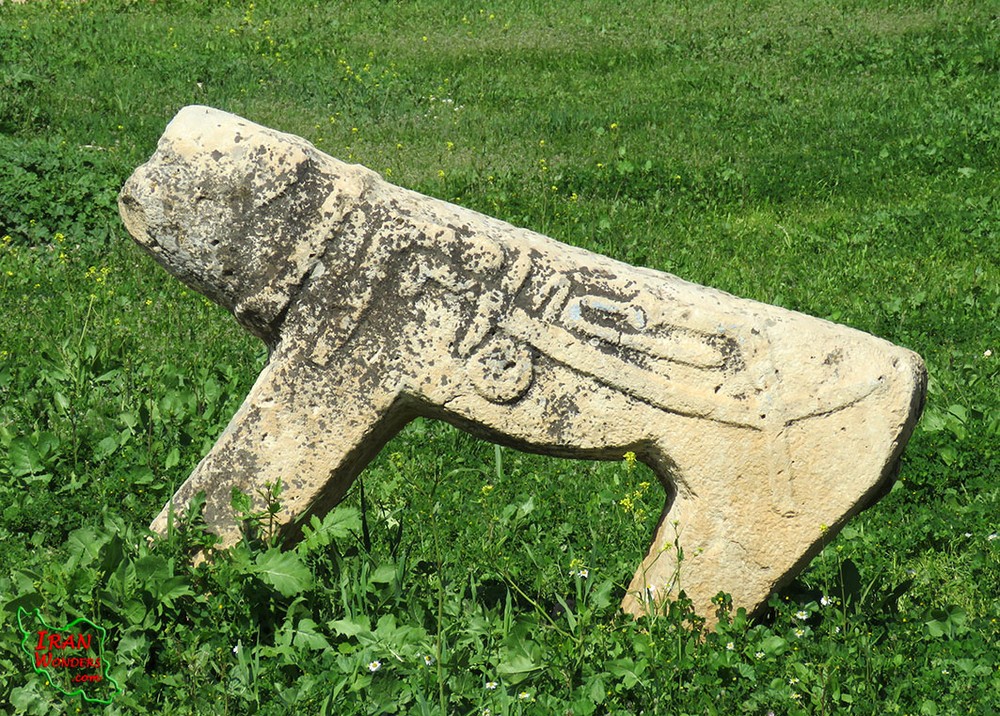
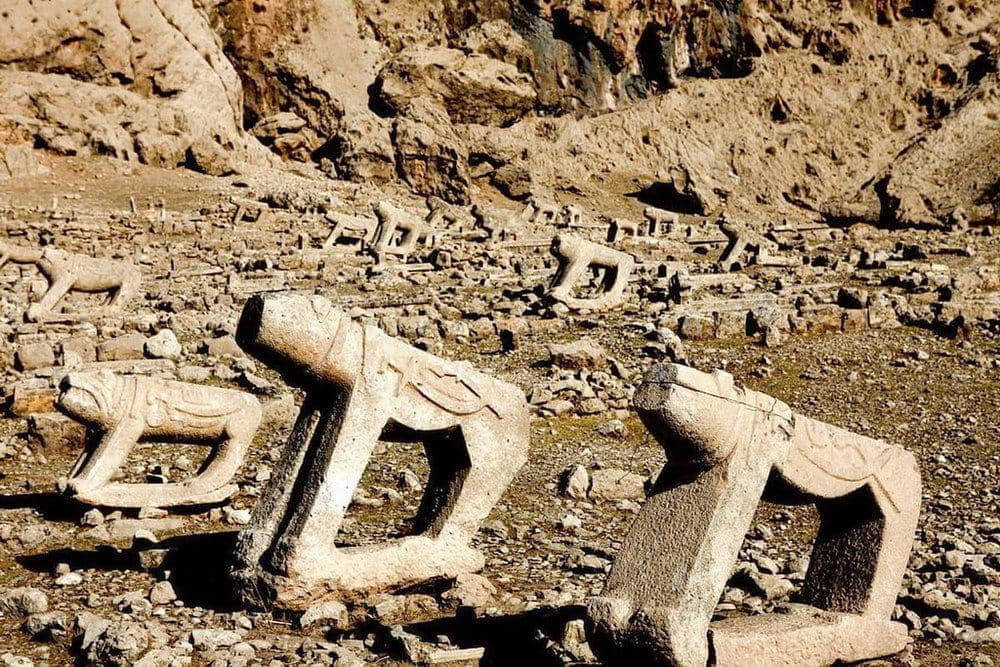
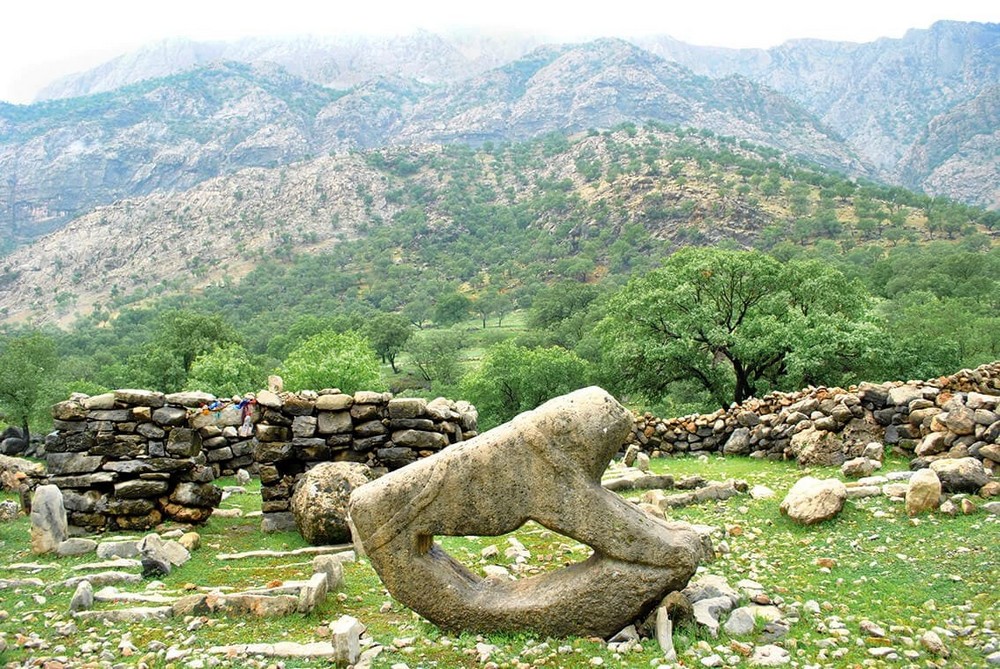
Another Bakhtiari speciality are lion tombstones.
Indeed, the Bakhtiari use carved lions to mark their tombstones.
The lion symbol has always played an important role in Iranian history. The lion symbolized the sun, a symbol of divine power. And the use of the term lion (šir) to designate a hero is also common in Persian literature.
According to the stories, the lions were made mainly by non-Bakhtiari professional stonemasons, who traveled seasonally between Bakhtiari territories.
Stone lions can be divided into two groups according to their shape: some have a round or cylindrical body, while others are box-shaped, with sharp angles more visible on their flanks.
With the exception of these two distinctions, lions generally share common features in their composition.
Grave inscriptions give clues as to why a stone lion was placed on a certain grave.
For example, reference to a major battle, the occurrence of which can be confirmed by other sources, may explain the presence of stone lions in a particular area.
In addition, trends in the use of titles can be indicative of the social status or political rank of the person whose grave is marked by a lion.
(The links below will help you to know more)
Photos:
Bakhtiari Lion Tombstones-1
https://khosronejad.wordpress.com/lion-tombstone/
Bakhtiari Lion Tombstones-2
Bakhtiari Lion Tombstones-3
https://iranwonders.com/en/articles-en/319-the-great-nomads-of-bakhtiyari-and-bardshirs-the-stone-lions
Bakhtiari Lion Tombstones-4
https://www.kojaro.com/news/117512-80-works-from-the-paleolithic-era-was-discovered-in-the-northern-city-of-mehran/
Bakhtiari Lion Tombstones-5
Bakhtiari Lion Tombstones-6
https://irantrawell.com/2019/04/12/%D8%B4%DB%8C%D8%B1-%D8%B3%D9%86%DA%AF%DB%8C/
Bakhtiari Lion Tombstones-7
Photography HabibNarimani
-A Study of Mithraism in the Culture of Bakhtiari People
https://www.jaco-sj.com/jufile?ar_sfile=1366543
(Link in Persian)
-Mehr ritual in the culture of Chaharmahal va Bakhtiari’s people
One of the most important issues in preserving an area’s indigenous values is finding traces of the past. Bakhtiari rituals, as an intangible heritage of the Bakhtiari people, have been passed down from one generation to another over a long time. The rituals are full of symbolic concepts that have originated from their myths, culture, and beliefs over time.
The purpose of this study is to identify the symbols of Mithraism along with other pictorial symbols derived from the concept and stories of Mehr in the culture of Bakhtiari people.
This study is based on a comparative study of documents and research on mythology, history of religions, and ancient Iran.
Mehr ritual is one of the rituals in which symbolic images have been used as a visual language for conveying the concepts and principles of this ritual and its followers.
Over time, these images have been preserved with the same hidden meanings in them and the following centuries have been used in the same way However, they were modified and their concepts have developed and used in a wider sense.
https://www.noormags.ir/view/fa/articlepage/1786119/%D8%A8%D8%B1%D8%B1%D8%B3%DB%8C-%D8%A7%DB%8C%DB%8C%D9%86-%D9%85%D9%87%D8%B1%D9%BE%D8%B1%D8%B3%D8%AA%DB%8C-%D8%AF%D8%B1-%D9%81%D8%B1%D9%87%D9%86%DA%AF-%D9%82%D9%88%D9%85-%D8%A8%D8%AE%D8%AA%DB%8C%D8%A7%D8%B1%DB%8C
-A trace of the Mehr ritual in the culture of Chaharmahal va Bakhtiari’s people: A case study of the two caves Pireghar and Aghaseyed Issa.
The province of Chaharmahal-Va-Bakhtiari bears a special position by virtue of its cultural and ancient background. The existence of some attitudes and beliefs among the people of this area has links with ancient rites and religions like Mehr ritual.
The locations which are referred to the lords with religion themes in Chaharmahal-Va-Bakhtiari Province are a lot to find.
https://jjhjor.alzahra.ac.ir/article_4491.html?lang=en
-The Persian Lion In The Artistic And Cultural Narratives Of Assyria And Persia
It was often depicted as a guardian, protector, and symbol of divine power. The Persian lion could be seen in palatial architecture, coins, and ceremonial objects, embodying the essence of kingly grandeur and the might of the empire.
https://www.craftestan.co.uk/legacy-of-the-persian-lion-history-art-symbolism/
-Lion Tombstones
https://khosronejad.wordpress.com/lion-tombstone/
-Learning About the Bakhtiari Nomads in Iran Through Their Material and Oral Structures of Death and Dying
https://www.academia.edu/1621864/Learning_About_the_Bakhtiari_Nomads_in_Iran_Through_Their_Material_and_Oral_Structures_of_Death_and_Dying
-Lions’ Representation in Bakhtiari Oral Tradition and Funerary Material Culture
https://www.academia.edu/1624978/Lions_Representation_in_Bakhtiari_Oral_Tradition_and_Funerary_Material_Culture
-‘Reflections on the Diversity and Religious Functions of Holy Places and Sacred Stones among Bakhtiari Nomads’,
https://www.academia.edu/6293923/Reflections_on_the_Diversity_and_Religious_Functions_of_Holy_Places_and_Sacred_Stones_among_Bakhtiari_Nomads_
-Amulet and Relic Motifs Bakhtiari
https://www.jaco-sj.com/jufile?ar_sfile=1025631
*
Iran Visit the Bakhtiari
Know that it’s possible to visit the Bakhtiari and even to take part in their nomadic life for a few days if you wish.
https://nomad.tours/
https://www.instagram.com/iranomadtours/
https://www.facebook.com/IranNomadTours/
https://in.linkedin.com/company/persia-authentic-nomad-tours
http://www.youtube.com/@IRANomad
For emails: info@nomad.tours
-Migration with Bakhtiari Nomads | Kooch | Nomadic lifestyle
https://www.youtube.com/watch?v=thvlLwu5Msc
-Iran | Chahar Mahal va Bakhtiari | Mountains & Valleys
https://www.youtube.com/watch?v=M3odvG6s5-Y
Join us on an extraordinary journey as we experience the first day of life in the mountains with the renowned Bakhtiari Tribe. In this captivating video, witness the awe-inspiring transition as we embrace the nomadic lifestyle amidst the majestic mountain landscapes. Immerse yourself in the rich culture, traditions, and resilience of the Bakhtiari Tribe as we embark on this new chapter. Discover the daily routines, rituals, and sense of community that define our nomadic existence. Experience the breathtaking beauty of nature as we navigate the rugged terrains and establish our temporary home in harmony with the surroundings. Be captivated by the warmth, hospitality, and unity that permeate through the tribe, creating an unforgettable experience. Join us as we embrace the challenges and embrace the freedom and serenity that the mountains offer. This is just the beginning of an extraordinary nomadic adventure with the Bakhtiari Tribe.
-Unusual experience: meet the Bakhtiaris, last nomads from Iran
The Bakhtiaris, a nomadic tribe of several families, still roam the mountains of Zagros, Iran, as they migrate twice a year (spring and autumn) with their flocks of goats and sheep.
Their way of life is today in great danger: political decisions, precariousness and difficulties push more and more nomads to settle down. Saba explains to us that one of the possibilities considered to help these nomads economically is the development of eco-tourism. Beyond the financial side (which should not replace the first source of income of these nomads, namely farming), we understand that the interest of the tourists brought to Bakhtiaris and their traditions would allow them to give them back trust; to make them more proud, more inclined to perpetuate this particular way of life… Despite our reluctance to be offered a tour against advertising for his agency, his arguments in favor of ethical and responsible tourism seem sincere… We end up accepting the proposed deal (after all, the experience is worth trying!): Make a photo and video report on the Bakhtiaris, in exchange for a tour organized 5 days.
D-day, “to the adventure!”
https://www.serialhikers.com/bakhtiaris-nomads/
-Children of the Zagros
In the southern part of Iran, in Chaharmahal and Bakhtiyari districts (Persian: Ostān-e Chahār-Mahāl-o Bakhtiyārī), lives a very special and little known community of people. They used to count over 500,000 and millions of animals – but nowadays there is about 200,000 people that still live the ancient way of life together with their livestock.
They are the Bakhtiyari people – the nomads of Iran.
https://www.thetravelclub.org/articles/travelogues/732-children-of-the-zagros
*
To know more about the Bakhtiari
-The Bakhtiari
https://www.dur.ac.uk/resources/anthropology/undergraduatestudy/peopleoftheearth.pdf
-A Case Study of Bakhtiari Region
https://ijas.usb.ac.ir/article_6689_7587f959b58f387c9cef884f71c19eca.pdf
-Bakhtiari Sacred Landscape
https://khosronejad.wordpress.com/
-Ancient Bakhtiari Region of Iran
The high mountains of the Bakhtiari country were largely left out of the archeological equation despite their proximity to the heartland of the Mesopotamian and Elamite civilization. Work in the region indicated the long settlement history of these mountains. The region was utilized probably as early as the Middle Palaeolithic and certainly by the Upper Epi-Palaeolithic. The region experienced a unique Neolithic phase exemplified by sites in the region. Villages become increasingly common during the Early Chalcolithic and reached a high point during the Middle Chalcolithic. Especially exciting is evidence of colonies on one of the major routes through the mountains with ties to communities from the Central Iranian Plateau and the Khuzestan lowlands. Much less common is Iron Age material although the cache from Gandomkar is especially exciting Mesopotamian pottery as well as vessels typical of the Central Iranian Plateau (Tepe Sialk III) are present. Both groups appear to be intrusions within the Bakhtiari region and may represent serial attempts at outposts on a major route connecting the Central Iranian Plateau and Khuzestan. Note that this suggests that the Sialk-related attempt precedes the Mesopotamian intrusion.
Clearly the central Bakhtiari highlands were not under the direct control of Mesopotamian communities. Cooperation by local tribal elites represented the necessary precondition for foreign enclaves and their wares to be present there in situ. The key Mesopotamian site — Sharak — also contains large amounts of Late Sialk III ware – which is just as foreign to the indigenous tribes of the Bakhtiari region. This suggests either an earlier domination of the trade route by central-plateau communities or a port of trade where the two regions exchanged goods (Page 600 in 1).
https://ancientneareast.tripod.com/Bakhtiari_Region.html
-The Bakhtiyari tribe: A historical perspective
https://www.academia.edu/35498553/The_Bakhtiyari_tribe_A_historical_perspective
-Nomads of Iran
https://phmuseum.com/projects/nomads-of-iran
-NOMADISM
https://referenceworks.brillonline.com/entries/encyclopaedia-iranica-online/nomadism-COM_10815?lang=fr
*
 Iran Persia Voyage